
How To
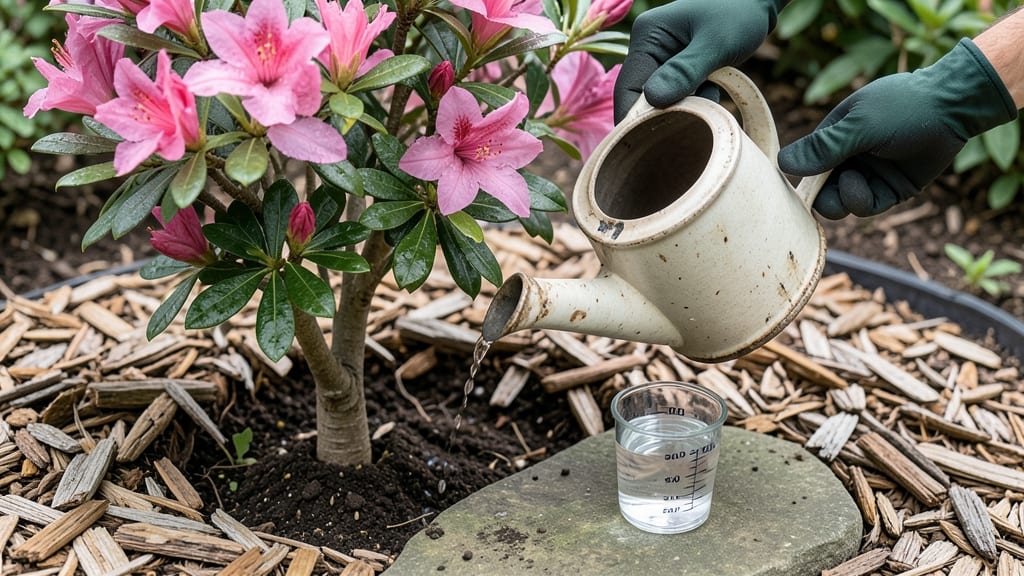
Watering azaleas the right way—how often to water them—is the difference between vibrant blooms and sad, drooping branches.
Struggling to keep your 🌸 azaleas thriving year after year? The secret isn’t just about how much you water—it’s about timing, soil science, and recognizing subtle signs your plants are thirsty or drowning.
Master this one simple test, and your azaleas will reward you with vibrant flowers for seasons to come.
In USDA Zone 6, where azaleas love to grow, the 1-2 inch soil test is your best friend. Stick your finger into the soil—if it feels dry at that depth, it’s time to water.
Too wet? Wait a few days. This method keeps roots happy without overdoing it, especially during spring blooming season.
Below, I’ll break down the exact steps, seasonal tweaks, and what to watch for—so you can give your azaleas the perfect drink every time.
The 1-2 inch soil test: the gold standard for watering azaleas
Azaleas thrive on consistency, but guessing how often to water them can lead to either wilting leaves or root rot. The 1-2 inch soil test is my go-to method because it combines simplicity with precision—no fancy tools required.
This test helps you water deeply but infrequently, which is exactly what azaleas need to develop strong roots and stunning blooms.
Most gardeners make two common mistakes: watering too frequently (leading to shallow roots) or waiting until the soil is bone-dry (causing stress). The 1-2 inch test eliminates both problems by giving you a clear, tactile signal about when your azalea’s roots are ready for more water.
I’ve used this method for years, and my azaleas now bloom earlier and more vigorously than ever before.
Here’s the step-by-step process, including seasonal adjustments to keep your azaleas happy year-round:
- 1 Check soil depth: Stick your finger 1-2 inches into the soil near the base of the azalea. This is where the majority of roots absorb moisture.
- 2 Assess moisture: If the soil feels dry to the touch (like a sponge that’s been squeezed), it’s time to water. If it’s still moist or damp, wait 2-3 more days before testing again.
- 3 Water deeply: When you do water, soak the soil until it’s moistened 6-8 inches deep. Use a slow watering method (like a watering can or drip irrigation) to avoid runoff.
-
4
Adjust for season:
- Spring: Test every 5-7 days (azaleas need moisture for bud development).
- Summer: Test every 3-5 days (increase frequency during heatwaves).
- Fall: Reduce to every 7-10 days (roots need time to harden before winter).
- Winter: Test monthly (only water if soil is completely dry).
- 5 Mulch matters: Apply 2-3 inches of mulch around the base (but not touching the stem) to retain moisture and regulate soil temperature. Replenish mulch annually.
The 1-2 inch test works because azalea roots typically grow in the top 6-12 inches of soil. By checking at this shallow depth, you’re monitoring the active root zone where moisture is most critical.
I’ve noticed that azaleas in containers dry out faster than in-ground plants, so container-grown azaleas may need testing every 3-4 days in summer.
One of the biggest myths about azaleas is that they need daily watering. In reality, overwatering is just as harmful as underwatering. The 1-2 inch test helps you strike the perfect balance by focusing on root health rather than surface moisture.
When I first started using this method, my azaleas developed deeper root systems within just a few months, which made them far more resilient during droughts.
For newly planted azaleas, you’ll need to water more frequently—about every 3-4 days—until they establish roots (usually 6-8 weeks). After that, follow the 1-2 inch rule religiously.
I always mark my watering schedule on a calendar to avoid forgetting, especially during blooming season when azaleas are most vulnerable to stress.
If you’re growing azaleas in containers, the soil dries out even faster due to limited root space. In this case, test the soil daily in summer and water as soon as the top 1 inch feels dry.
Container azaleas also benefit from self-watering pots or moisture-retentive soil mixes designed for acid-loving plants.
Pro tip: Pair the 1-2 inch test with a morning watering routine. Watering in the early hours reduces evaporation and fungal risks compared to evening watering. I set a reminder on my phone for 7 AM on watering days to stay consistent.
Over time, you’ll develop an intuitive sense of when your azaleas need water based on their growth stage and weather patterns.
Remember, azaleas are not drought-tolerant, but they also hate soggy feet. The 1-2 inch
Signs your azaleas are thirsty (or drowning) and how to fix it
Azaleas are finicky about water—too little and they wilt, too much and their roots suffocate. The key is learning their non-verbal cues. Start by checking the soil moisture and leaf condition.
A thirsty azalea will show drooping leaves or crispy edges, while overwatered plants develop yellowing foliage and mushy stems. These signs often appear before the damage becomes irreversible.
Don’t rely on a schedule—your azalea’s needs change with weather and season. For example, during summer heatwaves, you may need to water every 3-4 days, while winter dormancy only requires monthly checks. The first step is always testing the soil moisture before deciding to water.
⚠️ How Often to Water Azaleas?
General Rule: Water when the top 1-2 inches of soil feels dry. Use your finger to check—if it’s damp, wait. Morning watering is best to reduce evaporation and fungal risks.
Seasonal Adjustments:
- Spring: Weekly deep watering (pre-bloom hydration)
- Summer: Every 3-5 days (daily in extreme heat)
- Fall: Bi-weekly (reduce as temps drop)
- Winter: Monthly (minimal watering)
Containers vs. Ground: Potted azaleas dry out faster—check soil daily in summer. In-ground plants need deeper, less frequent watering.
If your azalea’s leaves are wilting but still firm, it’s likely underwatered. Gently water the soil until it’s moist 2-3 inches down. For crispy leaf edges, trim the damaged parts and increase watering frequency slightly.
However, if the leaves feel soft or mushy, your plant may be drowning.
Overwatering causes root rot, which appears as yellowing leaves that eventually fall off. The soil may also smell sour or rotten. To fix this, stop watering immediately and let the soil dry out.
If the roots are black and mushy, trim the affected areas with sterilized pruners and repot in fresh, well-draining soil.
For a quick troubleshooting guide, follow this 3-step flowchart:
- Check soil moisture (1-2 inches deep).
- Inspect leaves (wilting = thirsty; yellow/mushy = drowning).
- Adjust watering based on the issue—deep water for dry soil, hold off for soggy soil.
Mulching helps regulate moisture—apply a 2-3 inch layer of organic mulch around the base (but keep it away from the trunk). This retains moisture in summer and protects roots in winter. With these adjustments, your azaleas will bounce back in no time!