
How To
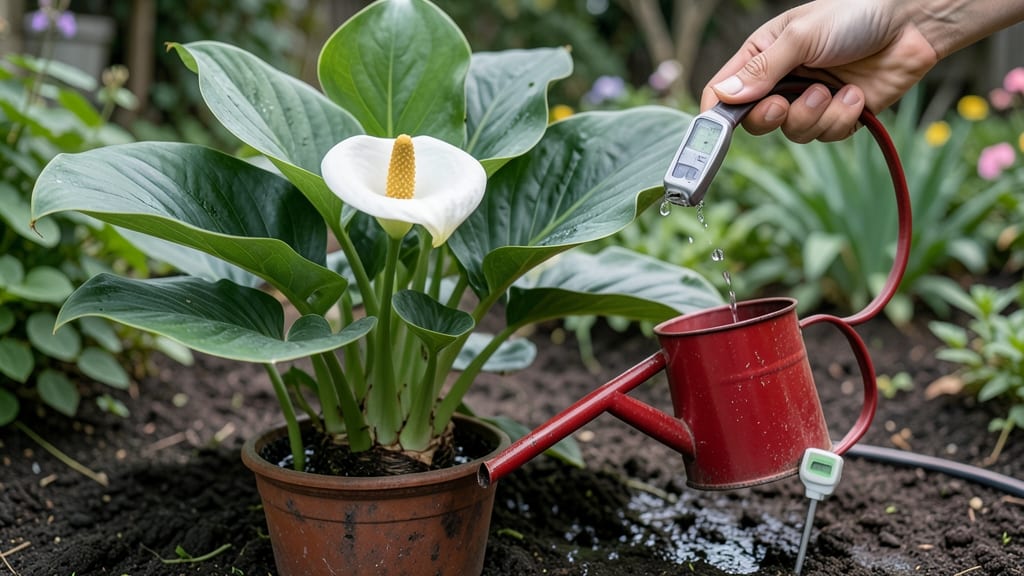
Watering a calla lily plant the right way keeps those elegant 🌸 blooms thriving without the guesswork of over- or under-watering.
Calla lilies are stunning additions to any garden, but their care can be tricky—especially when it comes to watering. Too much or too little, and you risk wilted leaves or stunted blooms. The secret lies in a simple, science-backed method that keeps your calla lilies thriving year after year.
Most gardeners struggle with the balance: water deeply but not too often, and always at the base to protect those delicate leaves. I’ll show you how to check soil moisture the easy way, adjust for your climate, and spot the early warning signs before your plants protest.
By the end, you’ll have a foolproof routine that saves time, prevents root rot, and ensures your calla lilies put on their best show—season after season.
The perfect watering schedule for calla lilies: mastering the 1.5-Inch soil test
Calla lilies thrive on consistency, and their watering needs are the key to those show-stopping blooms. Unlike drought-tolerant succulents, calla lilies demand moist but never soggy soil. The 1.5-inch soil test is my go-to method for determining when to water—it’s simple, foolproof, and keeps roots healthy.
This approach prevents the two biggest watering mistakes: underwatering (which causes wilting) and overwatering (which leads to root rot).
To perform the test, stick your finger about 1.5 inches deep into the soil near the plant’s base. If it feels dry at that depth, it’s time to water. If it’s still damp, wait another day or two.
This method ensures you’re watering based on the plant’s actual needs rather than a rigid schedule. I’ve found that morning watering (before 10 AM) works best—it gives the foliage time to dry out during the day, reducing fungal risks like botrytis blight.
Humidity plays a surprising role in calla lily care. In humid climates (like the southeastern U.S.), the soil stays moist longer, so you’ll need to water less frequently—sometimes as little as every 10 days.
Conversely, in dry, arid conditions (like Arizona), you might water every 3-4 days during peak summer heat. Always adjust based on your local climate and the 1.5-inch soil test, not a one-size-fits-all schedule.
Signs of overwatering include yellowing leaves, mushy stems, or mushroom growth on the soil surface (a red flag for root rot). If you spot these, let the soil dry out completely before watering again.
For underwatering, look for crispy leaf edges, wilting foliage, or a plant that feels light when lifted (indicating dry roots). In this case, give it a deep soak until water runs out the drainage holes.
Container-grown calla lilies dry out faster than in-ground plants because pots have less moisture retention. I water mine every 5-7 days in summer, regardless of the soil test, since containers lack the insulating properties of garden soil.
Always use pots with drainage holes and a well-draining mix (like a blend of peat moss, perlite, and compost) to prevent waterlogging. Pro tip: Group containers together to create a microclimate that retains moisture longer.
Mulching is another game-changer for calla lilies. A 2-inch layer of mulch (like shredded bark or straw) around the base helps retain soil moisture, reduces evaporation, and keeps roots cool. I apply mulch in early spring after the last frost, and it stays effective until fall.
Just avoid piling mulch directly against the stems, as this can trap moisture and cause rot. Instead, keep it 2 inches away from the plant base.
Seasonal adjustments are critical. During spring planting, water lightly at first to encourage root establishment, then gradually increase as the plant grows. In summer’s peak heat, water in the early morning to prevent evaporation and fungal issues.
As fall approaches, reduce watering to prepare the plant for dormancy. In winter, water sparingly—only enough to keep the soil slightly moist if you’re growing calla lilies in USDA Zone 8 or warmer.
One of my biggest lessons? Even calla lilies can tell you what they need. If the leaves start drooping by midday, it’s a cry for water. If they’re yellowing and the soil feels soggy, it’s a warning to back off.
Trust your observations and the 1.5-inch soil test—it’s the best tool in your gardening toolkit for keeping calla lilies happy and blooming.
With this method, you’ll avoid the guesswork and give your calla lilies the perfect balance of moisture. Soon, your garden will be bursting with those elegant, trumpet-shaped blooms—all thanks to a little science and a lot of attention to soil health. 🌸
Seasonal watering adjustments: how climate and growth stages change your routine
Your calla lily watering routine isn't one-size-fits-all—it shifts dramatically with the seasons and growth stages. In spring, young rhizomes need consistent moisture to establish roots, while established plants in summer crave frequent hydration during blooming. Understanding these shifts prevents root rot or wilting while maximizing those show-stopping blooms.
Mulch plays a game-changing role here. A 2-3 inch layer of organic mulch (like shredded bark) retains moisture, reducing your watering frequency by up to 30% during hot summers. However, in fall, you’ll want to reduce mulch thickness to allow soil to dry slightly during dormancy.
Let’s break down exactly how to adjust your watering schedule for each season and growth phase.
| Season/Growth Stage | Container-Grown Calla Lilies | In-Ground Calla Lilies | Key Adjustments |
|---|---|---|---|
| Spring (Planting) | Every 5-7 days | Every 10-14 days | Keep soil evenly moist; reduce if rains occur |
| Summer (Blooming) | 2-3x per week | Every 5-7 days | Water deeply at soil level; avoid wetting leaves |
| Fall (Dormancy) | Every 10-14 days | Every 2-3 weeks | Let top 1-2 inches of soil dry; reduce mulch |
| Winter (Rest) | Every 3-4 weeks | Monthly (light check) | Water only if soil feels bone-dry |
Newly planted calla lily rhizomes demand the most attention in spring. The first 4-6 weeks after planting are critical—water deeply twice weekly to encourage root establishment. Use a moisture meter or the finger test (insert your finger 1.5 inches deep; if dry, water).
Container-grown plants dry out faster due to limited soil volume, so check them daily in heatwaves.
When summer blooming kicks in, your calla lilies will drink more than ever. Container plants may need daily watering in 90°F+ temperatures, while in-ground varieties hold moisture better.
Always water at the base to prevent fungal issues from wet foliage. A drip irrigation system or soaker hose is ideal for even distribution.
As fall approaches, reduce watering gradually to prepare plants for dormancy. By October, most calla lilies enter a rest phase—water only enough to keep the rhizomes from shriveling.
In winter, minimal watering (or none in freezing climates) prevents rot. If you’re in USDA Zone 8+, a light watering every 4-6 weeks suffices.
Pro tip: Mulch thickness directly impacts moisture retention. In summer, keep it at 3 inches to lock in water; in fall, reduce to 1 inch to allow soil to dry slightly. This simple adjustment can double your watering efficiency and keep your calla lilies healthy year-round.