
Watering
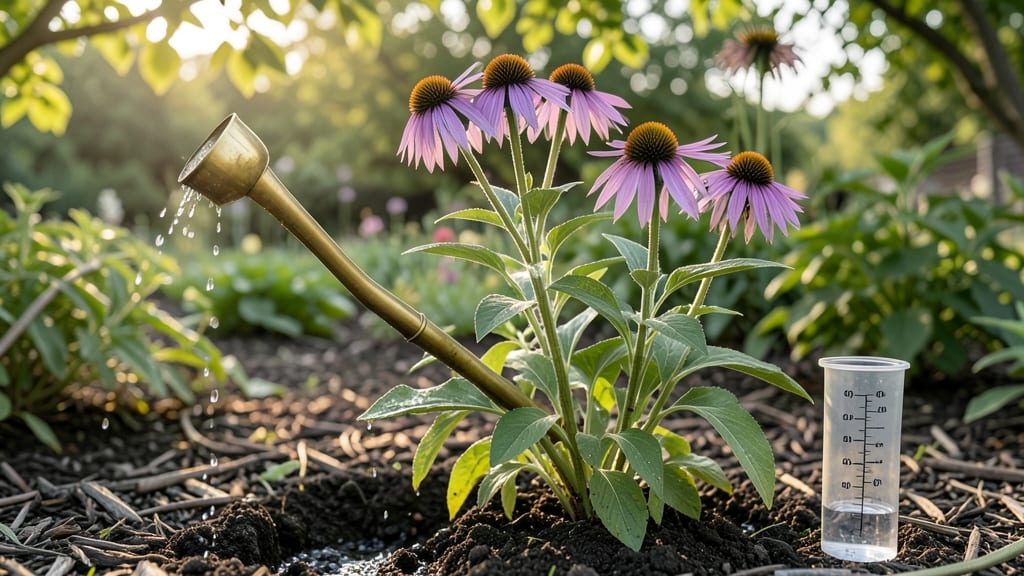
Watering coneflowers the right way means giving them just enough to thrive without drowning their roots—something even experienced gardeners sometimes get wrong.
You might think these hardy plants can handle neglect, but too much water can rot their roots just as fast as too little stunts their blooms. The key is understanding when to water based on their stage of growth and your local climate, not just guessing.
From the first watering after planting to the deep soak before winter dormancy, your coneflowers need a schedule that changes with the seasons. Below, I’ll break down exactly how often to water them—plus how to tell if you’re doing it right (or wrong).
You’ll learn the seasonal watering calendar that keeps your 🌼 coneflowers healthy, how to adjust for clay or sandy soil, and the simple tricks to avoid common mistakes that kill these tough perennials.
Coneflower watering schedule by season: what you need to know
Coneflowers (Echinacea) are drought-tolerant superstars, but even these hardy plants need the right watering routine to thrive. Overwatering can rot their roots, while underwatering stresses them during heatwaves. The key is balancing moisture based on your plant’s age, soil type, and seasonal needs.
Let’s break down the perfect watering schedule month by month—plus how to adjust for clay vs. sandy soil—so your coneflowers bloom like wildfire every season.
First, check your soil drainage before watering. Stick your finger 2 inches deep—if it’s dry, it’s time to water. Clay soil holds moisture longer, while sandy soil drains quickly.
Adjust your schedule accordingly: clay soil may need watering every 10-14 days, while sandy soil could require weekly watering in summer. Always water deeply to encourage strong root growth, aiming for 1-2 inches of soil moisture per session.
Newly planted coneflowers (first year) are the most delicate. They need consistent moisture to establish roots, so water 2-3 times per week until they’re 3-4 inches tall. After that, taper to weekly watering during dry spells. Established plants (year 2+) are far more resilient—once rooted, they’ll survive on rainfall alone in most climates. The goal is to mimic natural rainfall patterns without creating soggy conditions.
Let’s dive into the month-by-month breakdown for coneflowers. In spring (March-May), focus on root establishment. Water deeply every 7-10 days for clay soil or every 5-7 days for sandy soil.
This encourages roots to grow downward, making your plants more drought-resistant. Mulch with 2-3 inches of organic matter (like shredded leaves or straw) to retain moisture and suppress weeds.
When summer hits (June-August), your coneflowers will be in peak blooming mode. This is when they need the most attention.
Water every 10-14 days for clay soil or every 7-10 days for sandy soil, delivering 1.5-2 inches of water per session. Avoid overhead watering—use a soaker hose or drip irrigation to keep foliage dry.
If your area experiences extended heatwaves (90°F+), increase frequency to weekly watering and water in the early morning to reduce evaporation.
As temperatures cool in fall (September-November), your coneflowers will start preparing for dormancy. Reduce watering to every 2-3 weeks for clay soil or every 2 weeks for sandy soil. This helps harden off the roots for winter.
Stop fertilizing in late summer to encourage the plant to focus on root development rather than foliage growth. Leave seed heads on a few plants to attract pollinators and collect seeds for next year’s garden.
Winter (December-February) is all about dormancy care. Coneflowers are cold-hardy and don’t need much water, but a light misting every 4-6 weeks (if there’s no snow cover) prevents soil from becoming too dry. Mulch heavily (4-6 inches) with straw or shredded bark to insulate roots.
Watch for ice encasement—if snow or ice covers the plant for weeks, gently brush it off to allow airflow and prevent rot
5 Common watering mistakes that kill coneflowers (and how to fix them)
Coneflowers (Echinacea) are tough survivors, but even these hardy perennials can suffer from watering mistakes that stunt their growth or invite disease. I’ve seen gardeners accidentally drown their plants in containers or neglect them during heatwaves—both extremes lead to the same sad result: fewer blooms and stressed foliage.
The key is consistency and soil awareness, not drowning them in love (or water).
One of the biggest culprits is overwatering in containers. Potted coneflowers dry out faster than in-ground plants, but gardeners often assume they need more water. I’ve watched containers develop root rot within weeks because of soggy soil.
The fix? Use pots with drainage holes and water only when the top 1-2 inches of soil feels dry to the touch.
⚠️ callout-warning ⚠️
- Established plants: Every 7-14 days (check soil moisture first)
- Newly planted: 2-3 times per week for first 4 weeks
- Containers: Every 5-7 days (small pots dry faster)
- Summer heatwaves: Every 3-5 days (morning watering only)
Another mistake is inconsistent watering schedules. Coneflowers hate boom-and-bust cycles—alternating between drought and sudden floods stresses their roots. I’ve seen plants wilt dramatically after a week of neglect, then revive briefly after a heavy watering, only to collapse again.
The solution? Set a weekly reminder to check soil moisture, especially during hot, dry spells. A simple drip irrigation system can automate this for you.
Ignoring soil drainage is another silent killer. Clay-heavy soil holds too much moisture, while sandy soil drains too quickly. Both extremes suffocate roots. I always recommend amending heavy clay with compost or sandy soil with organic matter to create a well-draining environment.
A quick test: Dig a hole, fill it with water, and time how long it takes to drain. If it sits for more than 2 hours, your soil needs help.
Watering at the wrong time of day can also backfire. Evening watering leaves foliage damp overnight, inviting fungal diseases like powdery mildew. I’ve seen coneflowers develop white spots on leaves because of this simple oversight.
Always water in the early morning (before 10 AM) to give leaves time to dry. If you must water in the evening, aim for the soil base and avoid wetting the leaves.
Finally, skipping winter watering can dry out dormant plants. While coneflowers are tough, a bone-dry winter can wake them up too early, causing stress. I recommend a light monthly watering during frost-free periods in mild climates. In colder zones, let nature take its course—just mulch heavily to retain moisture.