
How To
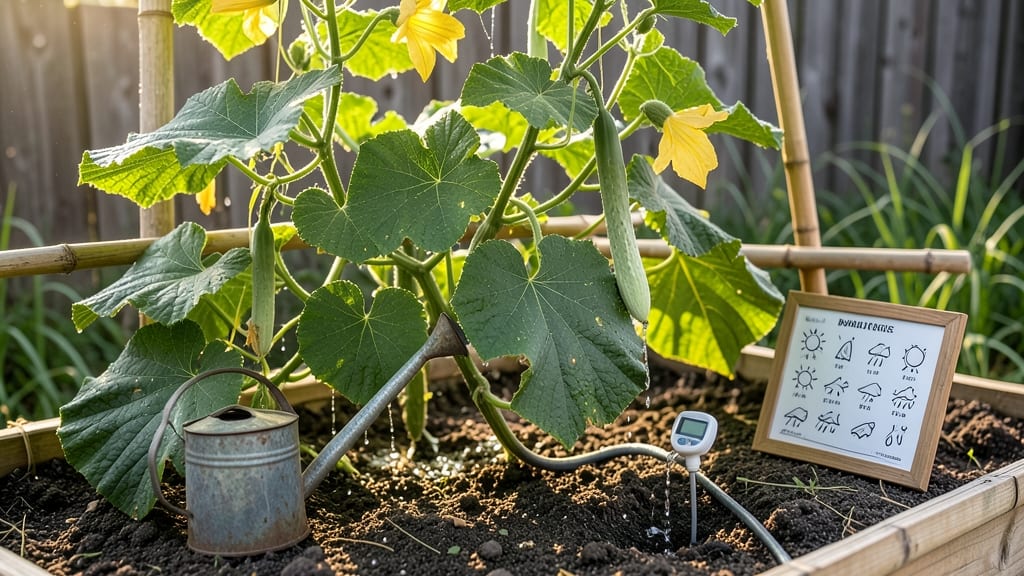
The 1-Inch soil rule: how often to water cucumber plants for optimal growth
Cucumbers are thirsty plants that need consistent moisture to produce sweet, crisp fruits. But how often should you water them? The 1-inch soil rule is your foolproof guide—simply check soil moisture before watering to avoid overwatering or underwatering.
This method works for both container-grown and in-ground cucumbers, but adjustments are needed based on your soil type and climate.
Here’s the secret: cucumber roots thrive when the top 1 inch of soil feels dry to the touch. This simple test eliminates guesswork and ensures your plants get just the right amount of water.
For young seedlings, keep soil slightly moist, but mature plants prefer deep, infrequent watering to encourage strong root growth. Let’s break down the exact schedule and adjustments you’ll need.
Why the 1-inch rule works: Cucumbers have shallow roots that spread widely, so they need consistent moisture without becoming waterlogged. The 1-inch check prevents both drought stress (which causes wilting) and root rot (from soggy soil). This method also accounts for heat waves, humidity levels, and whether your cucumbers are in pots or garden beds.
| Condition | Watering Frequency | Adjustments Needed |
|---|---|---|
| Soil Type: Sandy | Every 1-2 days | Dries out faster; water deeper |
| Soil Type: Clay | Every 3-4 days | Retains moisture longer; check deeper (2 inches) |
| Container-Grown | Daily (small pots) to Every 2 days (large containers) | Pots dry out faster; use self-watering pots if possible |
| In-Ground | Every 2-3 days (cool weather) to Daily (hot weather) | Mulch reduces frequency by 1-2 days |
| Seedling Stage | Every 1-2 days (keep soil moist) | Avoid overhead watering to prevent disease |
| Flowering/Fruiting | Daily (hot weather) to Every 2 days (mild weather) | Critical for fruit development; use drip irrigation |
For sandy soil, which drains quickly, you’ll need to water more frequently—sometimes daily during heatwaves. Stick your finger 1 inch deep; if it feels dry, it’s time to water. In contrast, clay soil holds moisture longer, so you can stretch watering to every 3-4 days.
Pro tip: If your soil is heavy clay, check moisture at 2 inches deep instead.
Container-grown cucumbers dry out faster than in-ground plants, so monitor them closely. A 5-gallon pot may need watering daily in summer, while a 15-gallon container can go 2-3 days. Always water until you see moisture draining from the bottom.
In-ground cucumbers, especially those with mulch, can go longer between waterings because mulch locks in moisture and reduces evaporation.
Adjust your watering schedule based on weather conditions. During hot, dry spells, cucumbers may need watering every morning, while cool, humid days might only require watering every 3-4 days.
Pay attention to your plants’ leaves: slightly wilting in the morning is normal, but if they stay wilted by afternoon, it’s time to water. Overhead watering can lead to fungal diseases, so use a soaker hose or drip irrigation for best results.
New gardeners often make two critical mistakes: overwatering (leading to root rot) and underwatering (causing blossom end rot). The 1-inch rule prevents both by giving you a clear, science-backed guideline.
For organic gardeners, this method also aligns with sustainable practices by reducing water waste. Start with this rule, then fine-tune based on your specific microclimate and soil conditions.
Remember, cucumbers are heavy feeders, so consistent watering paired with balanced fertilizer (like 10-10-10) will give you the best yields. If you’re growing bush varieties, they’ll need slightly less water than vining types, which spread out and require more moisture.
Always water at the base of the plant to avoid wetting leaves, which can attract pests like aphids or powdery mildew.
With the 1-inch soil rule, you’ll never guess how much water your cucumbers need again. Stick to this method, and you’ll enjoy vibrant vines, plentiful flowers, and crisp, homegrown cucumbers all season long. Happy gardening! 🌱
Signs your cucumber plants are thirsty (or drowned): common watering mistakes to avoid
Cucumber plants 🥒 are notorious for showing their mood through leaves—wilting, yellowing, or even developing blossom end rot can all signal watering woes. The tricky part? Both overwatering and underwatering cause similar symptoms, but the fixes couldn’t be more different.
I’ve seen gardeners drown their vines one day and frantically search for water the next, all because they missed the subtle cues.
First, let’s tackle the wilting leaves dilemma. If your cucumber vines look droopy by midday but perk up in the evening, they’re likely thirsty. However, if the leaves stay limp even after watering, you might be dealing with root rot from overwatering.
The key is checking the soil moisture—stick your finger 1-2 inches deep. If it’s bone-dry, water immediately. If it’s soggy, hold off and improve drainage.
Yellowing leaves are another red flag. Lower leaves turning yellow often mean underwatering, while upper leaves yellowing with crispy edges usually point to overwatering. Both scenarios stress the plant, but the solutions differ: underwatered plants need deep, infrequent watering, while overwatered ones require well-draining soil and reduced frequency.
I’ve found that mulching helps retain moisture without drowning roots—more on that in the next section!
Cucumbers need 1-2 inches of water weekly, but daily light showers encourage shallow roots. Instead, water deeply 2-3 times per week (adjust for heat). Containers dry faster—check soil daily! Overwatering causes root rot, while underwatering leads to bitter fruit and stunted growth.
Blossom end rot is the ultimate heartbreaker—those dark, sunken spots on the fruit’s blossom end ruin an otherwise perfect cucumber. This classic calcium deficiency often stems from inconsistent moisture. While calcium amendments help, the real fix is even watering.
Keep soil consistently moist (not soggy) by watering at the base of the plant in the morning. Avoid wetting leaves to prevent fungal diseases like powdery mildew, which thrives in damp foliage.
Another telltale sign? Slow vine growth or small, bitter cucumbers. When cucumber plants don’t get enough water, they prioritize survival over fruit production. The result? Stunted growth and underdeveloped fruit.
To fix this, increase watering frequency during hot, dry spells and consider drip irrigation for consistent moisture. I’ve seen yields triple when plants get steady hydration during flowering and fruiting stages!
Don’t ignore pest pressure either—stressed plants attract aphids and spider mites. Both overwatering and underwatering weaken cucumber vines, making them easy targets. Healthy plants with proper watering resist pests better.
If you spot pests, adjust your watering routine first, then treat with neem oil or insecticidal soap. Prevention starts with the right moisture balance!
Remember, cucumbers are 95% water, so their needs are high but specific. Master these signs, and you’ll go from frustrated gardener to cucumber connoisseur in no time.
The secret? Consistency is key—whether it’s the soil check, mulch layer, or morning watering routine. Your vines will thank you with bountiful, crisp cucumbers all season! 🌱