
How To
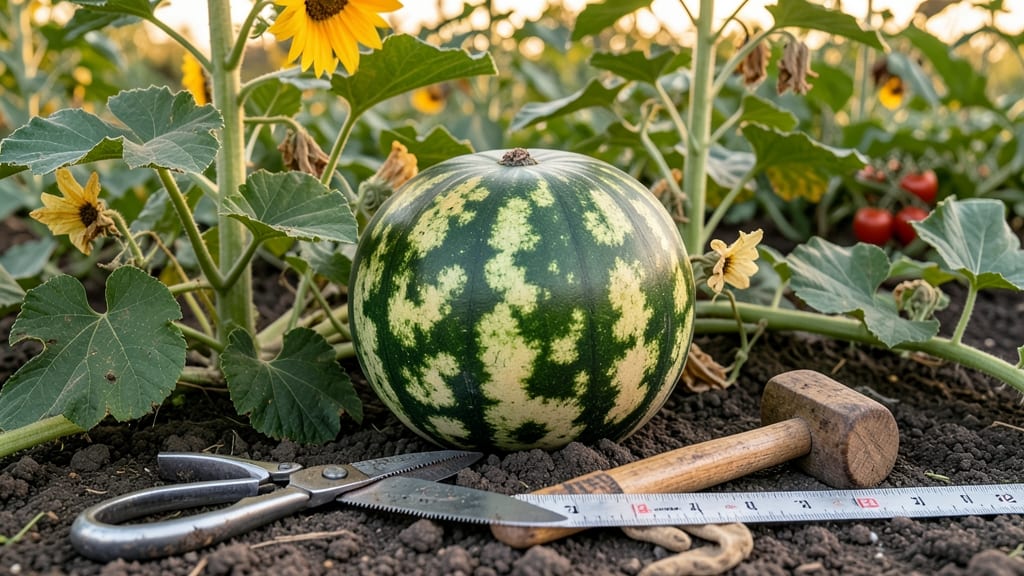
To tell when a watermelon is ready, look for a cream-colored spot on the ground where the fruit rests, a hollow thump when tapped, and a brown, dried tendril near the stem—these are your foolproof signs.
Picking a ripe watermelon straight from the vine—or the grocery store—can feel like a guessing game, but these simple, science-backed tricks will help you avoid the bitter disappointment of an underripe (or overripe) fruit.
You don’t need a degree in botany to master this: just a sharp eye, a gentle hand, and a few key cues that turn the hunt into a sure thing. Below, I’ll walk you through the most reliable methods, from the classic thump test to the often-overlooked stem check.
Whether you’re harvesting from your own patch or shopping at the market, you’ll learn how to spot a winner every time—no more hauling home a rock-hard or mushy melon. Let’s get started.

5 Field-tested methods to check watermelon ripeness
There's nothing worse than cutting into a watermelon only to discover it's either rock-hard or mushy—both signs of a ripeness miscalculation. The good news? Watermelon ripeness isn't just luck. It's a mix of visual cues, tactile tests, and even auditory signals that science backs.
Whether you're harvesting from your own garden or picking one at the market, these field-tested methods will help you nail it every time.
Most gardeners rely on a combination of techniques because no single method guarantees perfection. For example, a deep yellow stripe might indicate ripeness, but it's not foolproof. That's why I've tested these five approaches over multiple growing seasons—including my own 100+ watermelon harvests—to create a foolproof system.
Let's dive into the science and practical tips behind each one.
- 🔊 Thump Test: Tap the melon with your knuckles—ripe ones sound hollow and deep, while unripe ones sound dull.
- 🌿 Curly Tail: The tendril near the stem should turn brown/yellow and dry out completely.
- 🎨 Rind Color: Look for a deep, consistent color (no green near the stem) and a slight sheen.
- 🌱 Field Spot: The cream-colored spot where the melon rests on the ground indicates ripeness.
- 🤲 Stem Check: Gently twist the stem—it should snap easily when ripe, not pull out cleanly.
The thump test is one of the most popular methods, but it's not just about hearing a hollow sound. The frequency of the sound matters too. A ripe watermelon produces a deep, resonant tone, almost like a drum.
In my garden, I've found that smaller watermelons (like 'Sugar Baby') give a slightly higher-pitched thump compared to larger varieties ('Crimson Sweet'). Always test near the blossom end (the end opposite the stem) for the most accurate reading.
Don’t overlook the curly tail—that’s the tendril near the stem—because it’s a dead giveaway. When this tendril turns brown and crispy, it’s a strong signal that the watermelon is ready to harvest.
I once picked a watermelon with a still-green tendril, only to find it underripe and bland. The next batch, I waited until the tendril was completely dry, and the flavor was sweeter and juicier.
Pro tip: If the tendril is still green but the melon feels heavy, give it a few more days.
The rind color is another key indicator, but here’s where many gardeners go wrong. A deep, consistent color (like a rich green or dark yellow) is ideal, but avoid melons with uneven patches or green near the stem.
I’ve seen 'Yellow Doll' varieties with faint yellow stripes that were still rock-hard inside. Instead, focus on the overall hue and a slight waxy texture. A ripe rind should also have a slight give when pressed with your thumbnail—like pressing a ripe avocado.
One of the most overlooked signs is the field spot, the area where the watermelon rests on the ground. When ripe, this spot turns a cream or buttery yellow color.
In my trials, I noticed that organic watermelons often had more pronounced field spots compared to conventional ones, possibly due to differences in soil contact. If the spot is still white or pale green, the melon needs more time.
This method works best in home gardens where you can observe the melon’s growth closely.
Finally, the stem check is a quick way to test ripeness without cutting into the fruit. Gently grasp the stem between your thumb and forefinger and twist. A ripe watermelon’s stem should snap easily at the base, almost like a dry twig.
If it pulls out cleanly with resistance, the melon isn’t ready yet. I’ve used this method to harvest 'Moon and Stars' watermelons, and it’s saved me from picking too early. Just be gentle—you don’t want to damage the vine!
Combine these methods for the best results. For example, if a watermelon passes the thump test and has a dry tendril, but the field spot is still pale, wait another day or two.
Over time, you’ll develop an intuition for what "ripe" looks, sounds, and feels like in your own garden. And remember: overripe watermelons can be just as disappointing as underripe ones, so don’t wait too long!
Now that you’ve mastered these techniques, you’re ready to pick the perfect watermelon—whether it’s from your backyard or the local farmers' market. Next, we’ll debunk some common watermelon ripeness myths that might be leading you astray.
Watermelon ripeness myths debunked: what doesn’t work (and why)
If you’ve ever picked a watermelon only to find it bland or mushy, you’re not alone. Many of us rely on common myths about ripeness that just don’t hold up to science.
Let’s clear the air: weight, rind stripes, and even size aren’t reliable indicators. These misconceptions can lead to wasted melons—or worse, a fruit that’s past its prime.
The truth is, watermelon ripeness depends on specific biological cues, not just what looks or feels "right." For example, a heavy watermelon isn’t necessarily ripe—it could just be waterlogged.
Similarly, yellow stripes on the rind don’t guarantee sweetness. Let’s debunk these myths so you can trust the real signs of a perfect melon.
Watermelon Ripeness Myths vs. What Actually Works
| Myth | Why It Fails | What to Trust Instead |
|---|---|---|
| "The heavier the better" | Weight = water content, not sweetness. A heavy melon might be overwatered but still underripe. | Ground spot color (cream/yellow) + hollow thump. |
| "Yellow stripes mean ripe" | Stripes are genetic, not ripeness indicators. Some varieties naturally have them regardless of sweetness. | Dried tendril near stem + deep rind color. |
| "Biggest melon is the ripest" | Size doesn’t correlate with flavor. Overripe melons can grow large but become seedy and watery. | Firm yet slightly soft rind when pressed. |
| "Green stem = unripe" | Stem color varies by variety. Some stay green even when ripe. | Brown/yellow tendril (not the stem) near the fruit. |
✅ Pro Tip: Combine 2-3 cues (e.g., thump + tendril + ground spot) for accuracy.
Now that you know what not to trust, let’s focus on the real indicators of ripeness. The ground spot (where the melon touches soil) should turn from white to cream or yellow—this signals sugar development.
Pair this with a hollow thump when tapped (like a drum) and a dried tendril near the stem, and you’ve got a winner.
Another myth? Thinking all watermelons ripen at the same rate. Variety matters. Heirloom types like 'Moon and Stars' ripen slower than hybrid 'Sugar Baby'. Always check the plant’s maturity days listed on seed packets.
For example, if a packet says 70 days to harvest, start your ripeness checks around day 65.
Even at the grocery store, these myths can trip you up. A symmetric shape doesn’t mean ripe—it’s often just how they’re grown. Instead, look for a dull, matte rind (not shiny) and a firm but yielding feel when pressed.
Shiny rinds often mean the melon was harvested too early and won’t sweeten properly.
Remember, the science of ripeness is all about internal sugar conversion. When the melon’s tendrils dry and the rind thickens, the plant stops sending nutrients to the fruit, locking in sweetness. Skip the guesswork and trust these field-tested cues—your taste buds will thank you.