
How To
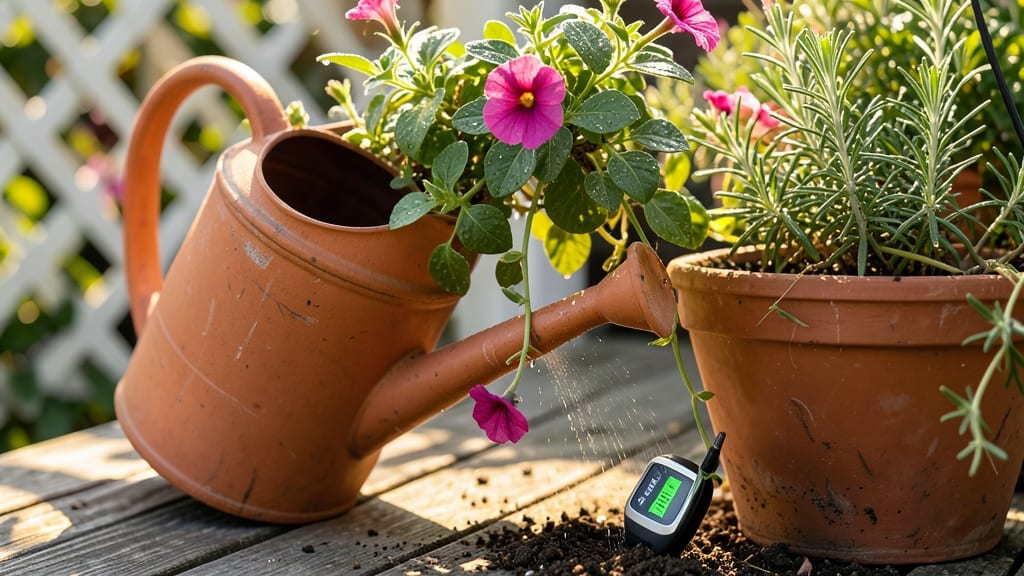
To water hanging baskets properly, aim for daily checks in summer and every other day in cooler months, but never guess—your plants will tell you when they’re thirsty or drowning.
Struggling to keep your hanging baskets lush and thriving? Overwatering or underwatering can both turn your vibrant 🌿 plants into sad, drooping decorations—here’s how to master the perfect watering schedule.
Most gardeners assume a one-size-fits-all approach works, but soil type, plant variety, and even basket material (plastic vs. coconut fiber) change the game. A 10-minute drip test is all you need to avoid soggy roots or crispy leaves.
Below, I’ll break down the exact watering rhythm for your baskets—whether they’re packed with ferns, flowers, or herbs—plus how to spot trouble before it starts.
The 10-Minute drip test: how to determine when hanging baskets need water
Hanging baskets are beautiful additions to any garden, but they demand consistent moisture—too much or too little water can spell disaster. Instead of guessing, I’ve perfected the 10-minute drip test, a foolproof method to check soil moisture without damaging roots or overwatering.
This simple technique works for succulents, ferns, flowers, and everything in between.
Most gardeners water on a schedule, but hanging baskets dry out faster than in-ground plants. The drip test helps you water only when needed, saving time and preventing root rot.
It’s especially useful for hot summer days or when you’re unsure if your plants are thirsty. Let’s dive into the steps and visual cues to master this technique.
Pick one hanging basket to test. Focus on one plant type at a time (e.g., petunias or ferns) for accurate results.
Gently lift the basket to feel its weight. A dry basket feels lightweight; a moist one feels heavier. This is your first clue!
Look for visual cues: Yellowing leaves or crispy edges mean underwatering, while drooping leaves or moldy soil signals overwatering.
Insert your finger 1-2 inches deep into the soil. If it feels dry, water immediately. If damp, wait another day.
Water until water drains from the bottom. This ensures roots get hydration without sitting in soggy soil.
Succulents need less frequent watering (every 5-7 days), while ferns and flowers may need daily checks in summer.
For succulents and drought-tolerant plants, the soil should feel completely dry before watering. These plants store water in their leaves, so overwatering is a bigger risk.
On the other hand, ferns and flowering plants like petunias or impatiens prefer slightly moister soil and may need water every 1-2 days in hot weather.
Don’t rely solely on the drip test—also watch for leaf wilting or soil shrinkage around the edges. If your basket is in a shady spot, it may dry out slower, but humidity can still cause mold. Always ensure your basket has proper drainage holes to prevent root rot.
Pro tip: Place a moisture meter in your basket for a few days to track patterns. Once you understand your plants’ needs, you’ll water like a pro—no more guesswork! Consistency is key, especially during seasonal changes like summer heatwaves or winter droughts.
Remember, overwatering is just as harmful as underwatering. If you see mushy stems or white mold, your basket is getting too much water. Adjust your schedule and let the soil dry out slightly between waterings. With practice, you’ll develop an instinct for when your hanging baskets need a drink.
🌿 Now that you’ve mastered the drip test, your hanging baskets will stay lush and vibrant all season long! 💧
Watering frequency by plant type: a month-by-month schedule for hanging baskets
Hanging baskets demand precise watering because their exposed roots dry out 3x faster than in-ground plants. Your schedule should shift dramatically between spring/summer (daily checks) and fall/winter (weekly adjustments).
Tropical varieties like begonias or fuchsias need consistent moisture, while succulents or lavender thrive on neglect—knowing the difference saves your plants from root rot or crispy edges.
Seasonal changes affect water needs more than you might think. In June-August, baskets can lose 1 inch of water daily from evaporation alone, while December-February might only require watering every 5-7 days.
Even edible plants like strawberries or basil need tailored care—herbs wilt fast in heat, while berries need steady moisture for fruit development.
Below is your customizable watering guide, broken down by plant type and month. Use this as a starting point, then adjust based on your local climate and basket material (plastic holds moisture longer than coconut fiber).
Pro tip: Always water until leaves perk up—drooping is often the last sign of thirst!
| Plant Type | Spring (Mar-May) | Summer (Jun-Aug) | Fall (Sep-Nov) | Winter (Dec-Feb) | Key Tips |
|---|---|---|---|---|---|
| Tropicals (Begonias, Fuchsias) | Every 1-2 days | Daily (morning + evening) | Every 2-3 days | Every 5-7 days | Mist leaves daily in heat |
| Drought-Tolerant (Succulents, Lavender) | Every 3-5 days | Every 4-7 days | Every 7-10 days | Every 10-14 days | Let soil dry completely |
| Edibles (Strawberries, Herbs) | Every 1-2 days | Daily (deep watering) | Every 2-3 days | Every 5-7 days | Harvest herbs in morning |
| Flowering Annuals (Petunias, Geraniums) | Every 1-2 days | Daily (avoid wetting flowers) | Every 2-3 days | Every 5-7 days | Deadhead spent blooms |
| Foliage Plants (Pothos, Ferns) | Every 2-3 days | Every 1-2 days | Every 3-5 days | Every 7-10 days | High humidity helps |
For herbs like basil or cilantro, the stakes are higher—underwatering turns leaves bitter while overwatering causes rot. I recommend using a moisture meter ($10 at garden centers) for these picky plants. Place the probe 1 inch deep into the soil; aim for 40-60% moisture in summer, 30-40% in winter.
Don’t forget to adjust for rainfall and wind exposure. Baskets on porches or decks dry out faster than those in shaded patios. If you notice yellowing leaves or moldy soil, cut back immediately—this is your plant’s SOS signal.
In Zone 6, I’ve seen baskets survive winter with mulch blankets (use burlap or straw) to insulate roots.
Pro move: Group baskets by water needs to streamline care. Hang succulents together and tropicals separately. This way, you’re not lugging a hose across the yard every 30 minutes! With this schedule, your baskets will stay lush year-round—no more sad, wilted decorations.