
How To
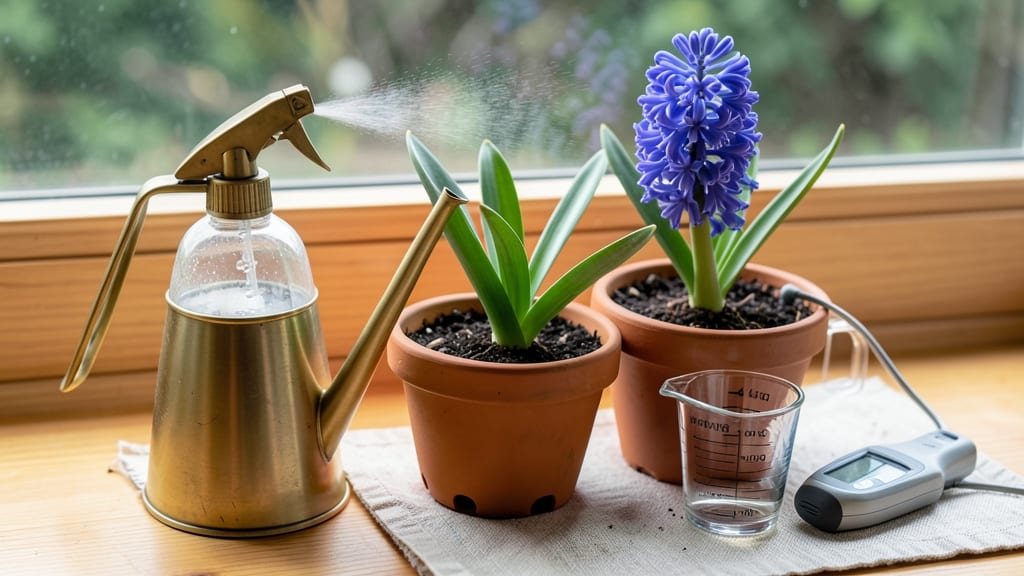
Watering your indoor hyacinth 🌸 every 7 to 10 days keeps its roots happy without drowning them—here’s the foolproof method to avoid soggy soil and wilted blooms.
Struggling to keep your indoor hyacinth thriving? Overwatering or underwatering can kill these stunning bloomers faster than you think—here’s the exact watering schedule (and soil test trick) to guarantee vibrant flowers year after year.
Most people guess when their hyacinth needs water, but a simple finger-dip test tells you for sure: stick your finger an inch into the soil. If it feels dry, it’s time to water. If it’s still damp, wait a few more days.
Below, I break down seasonal adjustments, how pot size and humidity change the rules, and the three signs you’re either drowning or starving your plant. No more guesswork—just lush, long-lasting blooms.
The perfect indoor hyacinth watering schedule by season (with soil test tricks)
Indoor hyacinths thrive on consistent moisture but drown in soggy soil—mastering the balance is key. Unlike outdoor blooms, indoor hyacinths face slower evaporation, meaning overwatering is the #1 killer. My secret?
A finger-dip soil test and seasonal adjustments that save bulbs year after year. Let’s dive into the exact schedule (and when to tweak it) for vibrant, long-lasting blooms.
Most gardeners water hyacinths on a fixed schedule, but indoor conditions demand flexibility. Humidity levels, pot size, and even your home’s heating system alter moisture needs.
For example, a 6-inch clay pot dries faster than a 10-inch ceramic cachepot, while winter air can dry soil 30% quicker than summer. The solution? Check soil moisture before watering—every time.
| Season | Watering Frequency | Soil Test Depth | Bloom Stage Adjustment |
|---|---|---|---|
| Spring (March-May) | Every 5-7 days | 1 inch dry | Increase by 50% during bud formation |
| Summer (June-August) | Every 10-14 days | 1.5 inches dry | Reduce to minimal watering after blooms fade |
| Fall (September-November) | Every 7-10 days | 1 inch dry | Resume normal schedule when shoots appear |
| Winter (December-February) | Every 3-4 weeks | 2 inches dry | Water just enough to prevent shriveling |
Spring is the critical bloom phase for hyacinths, so I water mine every 5-7 days—but only after the top 1 inch of soil feels dry. Use your finger: push it in gently. If it comes out clean, water; if it’s damp, wait.
During bud formation, I increase frequency by 50% to support stem growth. Pro tip: Place your pot on a pebble tray to boost humidity without overwatering.
Summer forces hyacinths into dormancy, so I cut watering to every 10-14 days. The key here is patience—let the soil dry 1.5 inches deep before watering.
After blooms fade, reduce to monthly minimal watering to mimic natural conditions. Overwatering now causes root rot, which spreads faster in warm indoor air.
Fall triggers new growth, so I restart the spring schedule when shoots emerge. Test soil at 1 inch deep and water every 7-10 days. If your home has low humidity (common with central heating), increase frequency by 20%. A hygrometer helps track levels—aim for 40-60% humidity for optimal bulb health.
Winter is the easiest season—just water every 3-4 weeks when the top 2 inches of soil are bone dry. Hyacinth bulbs store energy underground, so minimal moisture prevents shriveling.
Place pots near a sunny window to maintain slight warmth, but avoid drafts. Overwatering now can drown dormant bulbs before their next bloom cycle.
Humidity plays a huge role in indoor watering. In dry climates (like my Arizona home), I water 20% more frequently than in humid areas. Use a spray bottle to mist leaves weekly if your home’s air feels parched.
For extra insurance, group hyacinths with other houseplants—their combined transpiration creates a microclimate that retains moisture longer.
Pot size matters too. A small 4-inch pot needs watering every 4-5 days in spring, while a large 12-inch cachepot may only need water every 10 days. Always check soil depth relative to pot size: 1 inch dry for small pots, 1.5-2 inches for large ones.
Terracotta pots dry faster than plastic—adjust your schedule accordingly.
Watch for visual cues to fine-tune your routine. Drooping leaves mean it’s time to water, while yellowing foliage signals overwatering. After blooms fade, let the plant rest for 6-8 weeks before resuming regular care. This mimics natural cycles and ensures next year’s flowers will be even more spectacular.
Remember: consistency is key. Indoor hyacinths reward patience—stick to the seasonal schedule, trust your finger-dip test, and soon you’ll have blooms that last for weeks without the guesswork. Happy growing! 🌸
5 Signs your hyacinth needs water (and 3 signs you’re overdoing it)
Indoor hyacinths are delicate bloomers that thrive on consistency, but overwatering or underwatering can turn their vibrant flowers into sad, wilted stems. The key is learning to read your plant’s visual cues—like a silent language only gardeners truly understand.
I’ve seen drooping leaves and yellowing foliage too many times to count, and trust me, recovery is easier when you catch the signs early.
Before diving into symptoms, remember: hyacinths store water in their bulbs, which means they can survive short dry spells. But if you ignore the warning signs for too long, you’ll end up with a mushy bulb or crispy, brown leaves.
The good news? With these 5 thirst signals and 3 overwatering red flags, you’ll master the balance in no time.
How Often to Water Hyacinth Indoors
- Every 7-10 days in spring/fall (active growth)
- Bi-weekly in summer/winter (dormancy phase)
- Morning watering only (prevents fungal rot)
- Use 100-150ml water per 6-inch pot
- Check soil 1 inch deep—if dry, water
Pro Tip: Stick your finger in the soil—if it feels dry and crumbly, it’s time to water.
First up, drooping leaves are your hyacinth’s way of screaming for help. Unlike wilting from heat stress, thirst-induced droop happens gradually and often starts with the lower leaves.
If you see this, stick your finger into the soil—if it’s bone dry past the first inch, give it a thorough drink.
But here’s the catch: if the leaves feel crispy to the touch, it’s too late to revive them, and you’ll need to trim them back to encourage new growth.
Next, watch for dry soil cracks on the surface. Hyacinths prefer well-draining soil, but when the top layer turns to dust, it’s a clear signal. Break the crust gently with your fingers before watering—this helps moisture penetrate deeper.
Pair this with yellowing leaf tips, and you’ve got a plant begging for hydration. The fix? Water deeply until it drains from the bottom, then let excess water escape completely to avoid soggy roots.
Now, let’s talk overwatering, because this is where most gardeners trip up. If your hyacinth’s leaves turn yellow and mushy, you’re drowning its roots. The soil might feel damp, but the real giveaway is stems that feel soft when pressed.
This is root rot in action, and it spreads fast. To save your plant, stop watering immediately, repot it in fresh, dry potting mix, and trim any blackened roots with sterilized scissors.
Another overwatering warning: white, fuzzy mold on the soil surface. This is powdery mildew, a fungal infection that thrives in wet conditions.
If you spot it, remove the top layer of soil, sprinkle fungicide (or a mix of water and hydrogen peroxide), and let the pot dry out in a well-ventilated spot for a few days. Prevention is key—always water at the base of the plant, not overhead.
Finally, if your hyacinth’s flowers wilt prematurely or the stems snap easily, it’s often a sign of root stress from inconsistent watering. The solution? Adjust your routine: stick to a weekly schedule in active growth months (spring/fall) and reduce to bi-weekly during dormancy (summer/winter).
And if your home has low humidity (like many indoor spaces), consider placing a tray of water nearby to mimic outdoor conditions.