
Watering
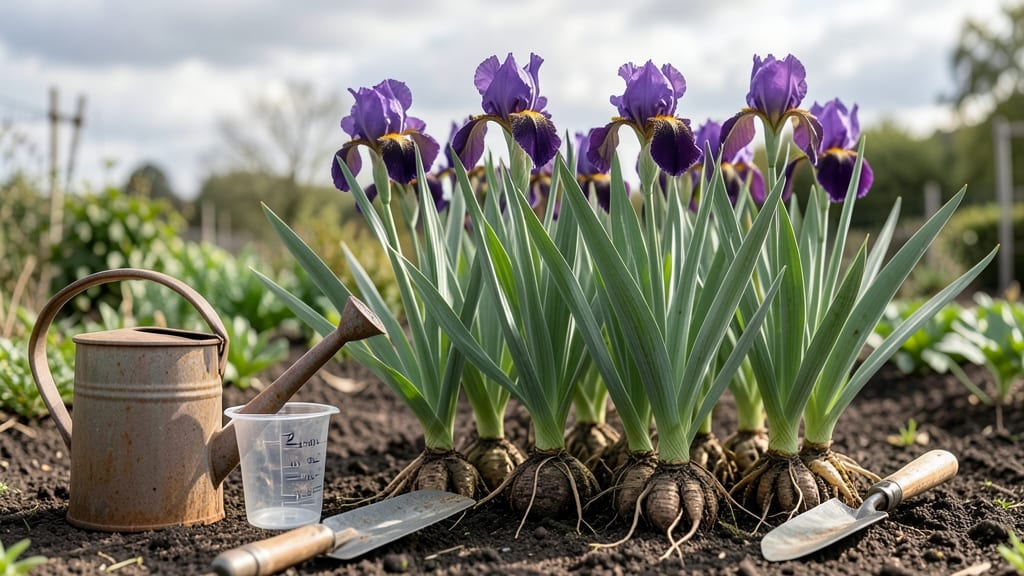
To water iris properly means giving them 1-2 inches of moisture every 7-10 days—but timing and technique make all the difference for those stunning 🌸 blooms.
Struggling to keep your iris blooms vibrant and healthy? Overwatering or underwatering can both stunt growth and reduce flowers—here’s the precise seasonal watering schedule you need.
In Zone 6a, where many gardeners grow iris, spring is the most critical time. After planting in April, aim for weekly watering to encourage root establishment, but shift to deeper, less frequent soaks as summer arrives.
Below, I’ll break down how climate, soil, and even your watering method affect frequency, plus the telltale signs you’re getting it wrong—so you can enjoy stronger stems and more vibrant blooms every season.
Iris watering schedule by season: what to know for optimal growth
Iris plants thrive with the right balance of moisture, but their watering needs shift dramatically between seasons. Understanding these changes ensures vibrant blooms and healthy rhizomes throughout the year. Unlike many perennials, irises prefer moderate moisture—too much water can suffocate roots, while too little stunts growth.
Let’s break down the ideal watering schedule for each season, including how to adapt for rainy climates or extreme heat.
Spring is when irises wake from dormancy, so consistent moisture is critical. Aim for 1 inch of water per week, delivered either through rainfall or manual watering. The key is to keep the soil evenly moist but not soggy.
Overwatering in spring can lead to fungal diseases, while underwatering causes buds to fail. Mulch around the base to retain moisture and regulate soil temperature.
🌸
Summer demands the most attention, especially in hot, dry climates. Increase watering to every 5-7 days, delivering 1-1.5 inches of water per session. Water deeply to encourage root growth down to 6-8 inches, which helps irises withstand drought.
Early morning watering is best to prevent fungal issues and reduce evaporation. If your area experiences frequent rain, skip watering for 2-3 days after a 1-inch rainfall.
As temperatures drop in late summer and fall, reduce watering frequency to bi-weekly. The goal is to let the soil dry out slightly, signaling the iris to prepare for dormancy.
Stop fertilizing in September to avoid encouraging new growth before winter. Mulch with 2-3 inches of organic matter to insulate rhizomes and protect against temperature swings.
Winter care is minimal, but not zero. In regions with freezing temperatures, water monthly if there’s no snow cover to prevent desiccation. Avoid wet soil, as frozen ground can trap moisture and cause root rot.
If you live in a mild-winter zone, reduce watering to every 3-4 weeks and monitor for signs of stress like yellowing leaves.
To check soil moisture, stick your finger 2-3 inches deep—if it feels dry, it’s time to water. For container-grown irises, water every 3-5 days in summer, as pots dry out faster.
Always water at the base of the plant to avoid wetting the leaves, which can lead to bacterial infections. Adjust your schedule based on your local climate and soil type—sandy soil drains faster than clay.
Consistency is key to long-term iris health. Over time, you’ll learn how your specific irises respond to seasonal changes. With the right watering routine, your irises will reward you with bold, vibrant blooms year after year.
☀️
Signs your iris plants are overwatered or underwatered (and how to fix it)
Iris plants thrive on balance, and getting their watering routine wrong can lead to yellowing leaves, mushy rhizomes, or stunted blooms. Unlike many plants, irises hate soggy soil but also struggle in drought conditions.
The key is monitoring soil moisture and adjusting based on seasonal changes. Overwatering is more common than you think—even well-meaning gardeners can drown these hardy perennials.
Start by checking the top 2-3 inches of soil. If it feels damp, hold off on watering. Irises prefer well-draining soil, so if water pools around the rhizomes, that’s a red flag.
Underwatering shows up as crispy leaf edges or a plant that looks leggy and weak. Both extremes stress irises, but the fixes are simple once you know what to look for.
⚠️ How Often to Water Iris: The Golden Rule
Water irises deeply but infrequently: 1-2 inches per week in spring and fall, every 5-7 days in summer, and monthly in winter. Always water at the base of the plant—never overhead—to prevent fungal diseases like iris borer or leaf spot. Use a moisture meter for accuracy, especially in clay-heavy soils.
Yellow leaves are the most obvious sign of overwatering. If the foliage turns yellow and feels mushy, your irises are likely suffering from root rot. Dig gently around the rhizomes—if they smell foul or look black and soft, you’ve got a fungal infection.
The fix? Stop watering immediately, trim affected leaves, and replant healthy rhizomes in sandy or gritty soil to improve drainage. Add a handful of perlite or coarse sand to the planting hole to help.
On the flip side, underwatered irises show wilting leaves that don’t bounce back, even after watering. The rhizomes may pull away from the soil when you gently tug them. To revive an underwatered iris, soak the soil deeply once a week for 2-3 weeks.
Mulch with gravel or straw (never organic mulch) to retain moisture without suffocating the roots. Avoid watering at night—this encourages fungal growth and stresses the plant further.
Another clue? Fewer or no blooms can signal either overwatering or underwatering. Irises need a dormancy period in late summer to rebloom the following spring. If you’re watering too much during this time, the plant won’t signal its roots to prepare for next year’s flowers.
Let the soil dry out completely in August and September, then resume light watering in early spring when new growth appears.
For long-term health, test your soil’s drainage every 2-3 years. Amend heavy clay with compost and grit to create the ideal loamy texture irises love. A quick fix for soggy spots?
Build a raised bed or mound soil around the rhizomes to encourage runoff. With these adjustments, your irises will bounce back—and reward you with bold, vibrant blooms next season.