
How To
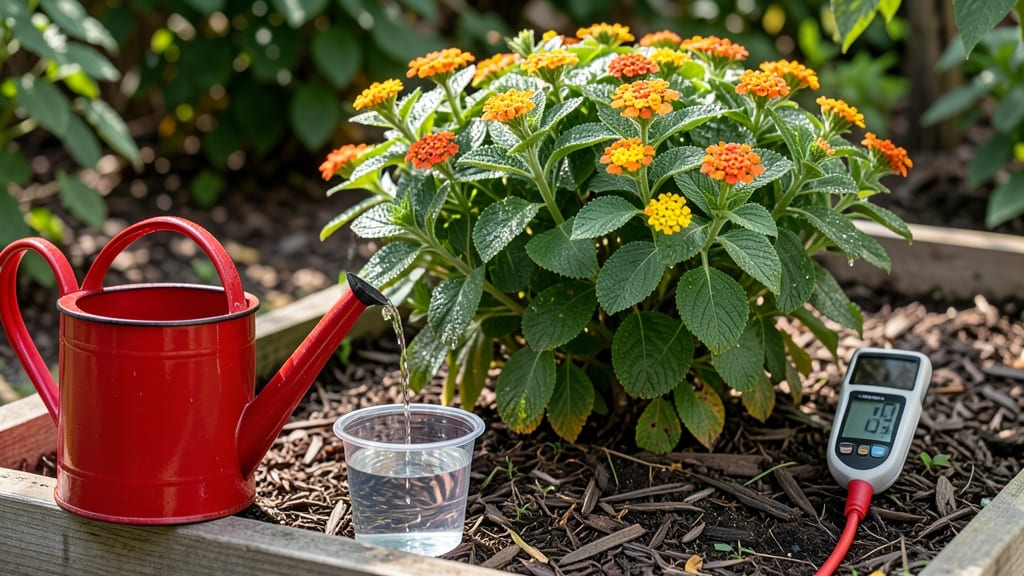
Watering lantana the right way keeps it blooming vibrantly 🌸—and the key is knowing how often to water without drowning its roots.
Struggling to keep your lantana thriving? You’re not alone—most gardeners either drown it in soggy soil or leave it parched, both of which stunt its famous colorful flowers. The secret isn’t guesswork; it’s a simple moisture check that tells you exactly when to water.
Lantana is famously drought-tolerant, but that doesn’t mean it’s carefree. Too little water and the leaves crisp; too much and the roots rot. The trick? A 3-zone finger test that cuts through the confusion and gives you a foolproof way to adjust for heat, rain, or even winter dormancy.
In this guide, I’ll walk you through the exact steps to water lantana—when to soak it deep, how to spot overwatering, and why your current routine might be backfiring. Ready to keep your lantana lush and blooming all season?
The 3-Zone finger test: how to check lantana soil moisture like a pro
Most gardeners water lantana based on guesswork or a rigid schedule, but your lantana’s thirst changes with soil depth and seasonal needs. The 3-zone finger test reveals the truth: whether your plant craves hydration or is begging for a break.
I’ve used this method for years to keep my lantana blooming without overwatering—here’s how it works.
Lantana roots spread 2-3 feet wide but focus on the top 12 inches of soil. A single finger check at the surface won’t cut it—you need to probe three zones to match moisture with root activity.
Skipping this step is why so many lantana plants wilt or develop root rot; they’re either thirsty at depth or drowning in soggy topsoil.
🌱 Step-by-Step: The 3-Zone Finger Test
- Zone 1 (0-2 inches): Insert your finger 1-2 inches deep. If dry, this is your topsoil layer—water lightly to protect young roots and prevent evaporation.
- Zone 2 (2-4 inches): Check 2-4 inches deep. Moisture here tells you if active roots are accessing water. Dryness means it’s time for a deep watering session.
- Zone 3 (4+ inches): Probe 4+ inches deep. If damp, your lantana has stored moisture—skip watering entirely. If bone-dry, your plant needs a slow, deep soak to reach lower roots.
⏰ Pro Tip: Always test in the morning after sunrise. Evening checks can trick you into overwatering due to natural soil moisture from dew.
Here’s the golden rule: Water only if Zone 2 or Zone 3 feels dry. If Zone 1 is dry but deeper zones are moist, hold off—your lantana is conserving water like it’s supposed to.
I once watered my lantana daily because Zone 1 was always dry, only to realize the roots were rotting from over-saturation below.
Your lantana’s water needs shift with soil type. Sandy soil drains fast, so you’ll see dryness in all zones quicker than in clay-heavy soil, which holds moisture longer.
Test both soil types by digging a hole, filling it with water, and timing how long it takes to drain—this gives you a baseline for your garden’s moisture retention.
Seasonal adjustments are critical. In summer heat, Zone 1 may dry out faster, but Zone 3 should still hold moisture if you’ve been watering correctly.
During winter dormancy, all zones will stay moist longer—water only if Zone 3 is completely dry, and even then, reduce frequency by half.
Watch for visual cues that confirm your finger test: Bright, clustered flowers mean you’re nailing the moisture balance, while yellowing leaves or drooping stems signal overwatering or underwatering. My lantana’s deep purple blooms are my best indicator—when they fade, it’s time to reassess your watering routine.
Containers dry out faster than in-ground plants, so adjust your zones accordingly. For potted lantana, check Zone 1 every 2-3 days in summer, but always verify Zones 2 and 3 before watering.
Pro tip: Use a moisture meter for containers—it’s the only way to avoid the guesswork trap that kills so many potted lantana.
Mulch plays a huge role in moisture control. A 2-inch layer of mulch (like pine straw or shredded bark) slows evaporation, keeping Zone 1 moist longer. This means you’ll rely more on Zones 2 and 3 for your watering decisions.
I’ve seen mulched lantana go 3 weeks without water in summer—unthinkable without it!
Remember, lantana is drought-tolerant, not drought-proof. The finger test isn’t about perfect moisture every time; it’s about reading your plant’s signals. If your lantana looks thriving with fewer waterings, you’re doing it right. If it’s struggling, dig deeper—literally—and adjust your zones.
Lantana watering schedule by season: adjusting for heat, rain, and dormancy
Lantana thrives on consistency, but its water needs shift dramatically with the seasons. Understanding these changes helps prevent root rot in winter and wilting during summer heat. The key? Adjusting your schedule based on temperature, rainfall, and your USDA hardiness zone (lantana prefers zones 8-11).
In hot climates (zones 9-11), lantana’s roots dive deep to find moisture, while cooler zones (6-8) may require more frequent checks. Below, I’ve broken down the ideal watering intervals for each season, plus when to pause entirely during dormancy.
| Season | Climate Zones | Frequency | Notes |
|---|---|---|---|
| Spring | 6-11 | Every 3-4 days | Increase if dry spells occur; reduce if rainy. |
| Summer | 6-11 | Every 2-3 days (zones 9-11) / Every 1-2 days (zones 6-8) | Water deeply at soil level to avoid leaf burn. |
| Fall | 6-11 | Every 5-7 days | Reduce as temperatures drop below 60°F. |
| Winter | 6-8 | Pause (bi-weekly if potted) | Dormant plants need minimal water; check for soggy soil. |
| Rainy Season | All | Hold watering | Lantana hates wet feet; ensure well-draining soil. |
During summer, I water my lantana in the early morning (before 8 AM) to reduce evaporation. If your area experiences 100°F+ temperatures, increase frequency to daily deep watering—but never let water pool around the base.
In containers, lantana dries out faster, so check soil moisture daily.
Fall is the transition season where I gradually reduce watering. By October, most lantana in zones 6-8 enter dormancy, and I stop watering entirely unless potted. For zones 9-11, a light watering every 10-14 days suffices until new growth appears in spring.
One critical mistake I see is overwatering during winter dormancy. Soggy soil leads to root rot, which is fatal. Instead, focus on mulching with 2-3 inches of organic matter to retain minimal moisture while protecting roots from freezing temperatures.
Pro tip: Use a moisture meter for accuracy, especially in sandy soil (dries faster) or clay soil (retains moisture longer). Adjust your schedule based on your soil type—lantana in clay may need watering every 7 days in summer, while sandy soil could require daily checks.
By aligning your watering with lantana’s natural rhythms, you’ll enjoy vibrant blooms from spring to frost—without the guesswork. 🌸