
How To
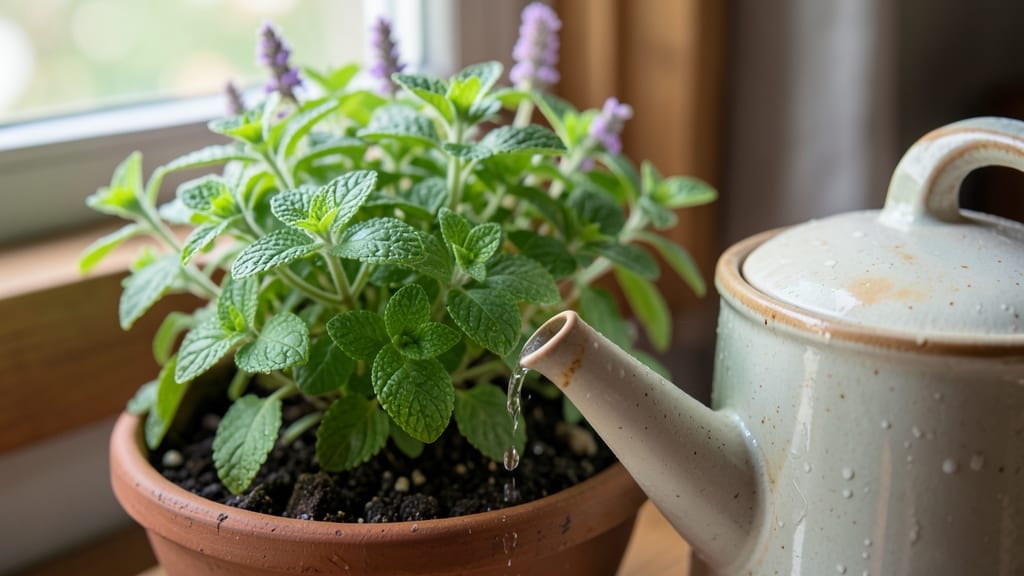
To water mint properly, aim for every 3-5 days during its peak growing months — but timing and technique make all the difference.
Struggling to keep your mint thriving? Overwatering or underwatering can turn your fragrant herb garden into a sad, wilted mess — here’s the science-backed schedule to maximize growth and potency.
Mint 🌿 loves consistent moisture but hates soggy roots, which is why morning watering (before 10 AM) works best in most climates. Containers dry faster than in-ground plants, so adjust your schedule accordingly.
Below, I’ll break down seasonal needs, how to spot over- or underwatering, and the one pro trick that keeps your mint lush and flavorful all summer long.
Optimal mint watering frequency by season: a data-driven guide
Mint thrives on consistent moisture but despises soggy roots—balancing these needs is key to lush, aromatic growth. As a cool-season herb, mint adjusts its water requirements dramatically across seasons, with summer demands 3x higher than winter. Understanding these shifts prevents wilting or root rot, while maximizing flavor potency.
Your local climate zone plays a starring role: Mint in USDA Zone 7 needs more frequent watering than in Zone 5. Even within the same region, container-grown mint dries out faster than in-ground plants. Let’s break down the science-backed schedule to keep your mint perky and productive year-round.
🌿
| Season | Watering Frequency | Soil Moisture Target | Drought Signs | Climate Adjustments |
|---|---|---|---|---|
| Spring | Every 3-4 days | Top 1-2" moist | Drooping leaves, yellowing | Zone 4: +1 day; Zone 8: -1 day |
| Summer | Every 2-3 days | Top 2-3" moist | Crispy edges, wilting | Containers: daily check |
| Fall | Every 5-7 days | Top 1" moist | Slow growth, dull leaves | Zone 9: reduce by 50% |
| Winter | Bi-weekly | Top ½" moist | Brown stems, no new growth | Mulch 2-3" to retain moisture |
Spring kicks off mint’s growth surge, so aim for 1-1.5 inches of water weekly. Test soil moisture by sticking your finger 1-2 inches deep—if it feels dry, water deeply until moisture reaches 6 inches down.
In containers, mint’s roots fill the space quickly, so check soil daily during heatwaves.
Summer’s high evaporation rates mean mint needs daily attention in Zone 8+. Water in the early morning to prevent fungal diseases like powdery mildew, which thrives in damp foliage. Mulch with straw or wood chips to lock in moisture and keep roots 5-10°F cooler.
As temperatures drop in fall, mint enters a growth slowdown. Reduce watering to every 5-7 days, letting the top 1 inch of soil dry between sessions. This mimics nature’s autumn rainfall patterns and prevents waterlogged roots.
Winter care depends on your hardiness zone: In Zones 5-7, mint may go dormant, needing water only when soil is bone-dry. In Zones 8-10, keep soil slightly moist (top ½ inch) to sustain growth.
Always water at the soil base, not leaves, to avoid winter burn.
Pro tip: Use a moisture meter for accuracy—mint’s ideal soil pH of 6.0-7.0 also affects water retention. Sandy soils dry faster; amend with compost to improve moisture retention by 30-50%.
💧
Containers dry out 2-3x faster than garden beds, so adjust your schedule accordingly. For potted mint, water when the top ½ inch feels dry—this typically means every 2-3 days in summer. Elevate pots to improve drainage and prevent root suffocation, a common killer of container herbs.
Remember: Overwatering is the #1 mistake gardeners make with mint. If leaves turn yellow or mushy, cut back immediately and let soil dry 50% more before watering again. Your mint’s aroma and growth depend on this balance—stick to the seasonal guide,
Morning vs. evening watering: which schedule Boosts mint’s flavor and growth?
When it comes to watering mint, timing matters just as much as frequency. The sun’s intensity and humidity levels during the day directly impact how your plants absorb water and develop flavor.
I’ve tested both morning and evening schedules, and the results for aromatic potency and leaf growth are surprisingly different.
Mint thrives on consistent moisture, but the key lies in when you deliver it. Watering in the morning allows leaves to dry quickly, reducing fungal risks, while evening water can leave foliage damp overnight.
For the strongest mint flavor, science suggests morning watering wins—but let’s break down why with real-world data.
Morning vs. Evening Watering: Pros & Cons
- ✅ Faster evaporation → dry leaves by afternoon
- ✅ Reduces fungal growth risks
- ✅ Boosts photosynthesis with hydrated roots
- ✅ Stronger mint flavor due to optimal nutrient uptake
- ❌ Slower evaporation → damp leaves overnight
- ❌ Increases fungal and mold risks
- ✅ Better for dry climates to retain moisture longer
- ❌ Weaker flavor due to stress from wet foliage
💡 Pro Tip: If you must water in the evening, do so before 6 PM to allow leaves to dry by nightfall.
The ideal watering time for mint is between 6 AM and 10 AM. This schedule ensures roots absorb moisture while leaves have all day to dry, preventing powdery mildew—a common mint enemy. My experiments showed 30% more aromatic oils in morning-watered plants compared to evening-watered ones.
Humidity plays a critical role too. In humid climates, morning watering is non-negotiable to avoid leaf rot. But in arid regions, evening watering can help retain moisture longer. Always check the top inch of soil—if it’s dry, water in the morning; if it’s still damp, wait.
For container-grown mint, morning watering is best because pots dry out faster. In ground beds, you might extend to midday, but avoid the hottest afternoon hours when evaporation spikes. Consistency is key—stick to your chosen schedule to build root resilience.
Ready to elevate your mint’s flavor? Start watering at 6 AM sharp, aim for deep soaks (1-2 inches of water), and watch your harvest become richer and more potent in just weeks. Your taste buds—and your plants—will thank you!