
Watering
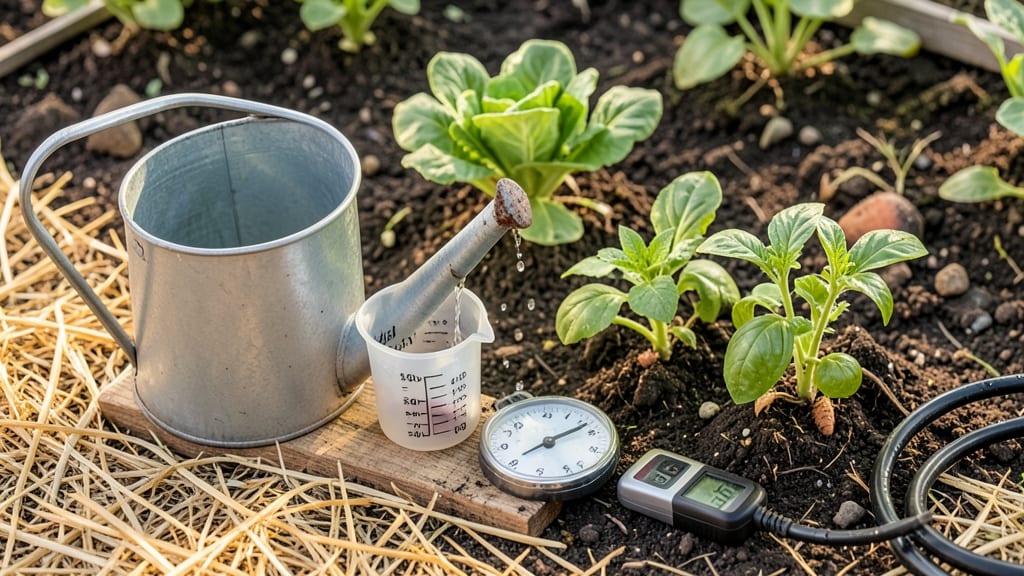
Newly planted vegetables need watering about every 1-3 days—but timing it right is the trick to keeping them alive without drowning their roots.
Overwatering or underwatering your 🥕 can mean the difference between a thriving garden and wasted effort—yet most gardeners struggle to get the timing right. Too much water rots roots, while too little stresses plants before they even take hold.
Soil type, weather, and even the type of vegetable play a role. Sandy soil drains fast, while clay holds moisture longer, and leafy greens like lettuce need more frequent watering than root crops like carrots.
Below, I’ll break down the science-backed schedule by soil type, plus five foolproof tricks to tell when your plants actually need a drink—no guesswork required.
The perfect watering schedule for new vegetable plants by soil type
Newly planted vegetables need consistent moisture to establish strong roots, but overwatering or underwatering can stunt growth or invite disease. The key? Understanding your soil type and adjusting watering frequency accordingly.
Sandy soil drains quickly, while clay holds moisture too long, and loamy soil strikes the perfect balance. Let's break down the science-backed schedule for each type.
Your soil type determines how often you water because it affects drainage and moisture retention. Leafy greens like lettuce and spinach need frequent, shallow watering, while root crops like carrots and beets thrive with deep, infrequent watering.
Even within the same soil type, these differences matter. For example, tomatoes in sandy soil may need daily watering, while potatoes in loamy soil can go 3-4 days between sessions.
| Soil Type | Watering Frequency | Leafy Greens | Root Crops | Key Tip |
|---|---|---|---|---|
| Sandy Soil | Every 1-2 days | Daily shallow water | Deep water every 2-3 days | Add organic matter to improve retention |
| Clay Soil | Every 3-5 days | Water lightly but frequently | Deep soak every 4-5 days | Avoid puddles; use raised beds if possible |
| Loamy Soil | Every 2-4 days | Morning watering preferred | Deep water every 3-4 days | Ideal for most vegetables; minimal adjustments needed |
For sandy soil, watering every 1-2 days is crucial because it drains moisture faster than a sponge absorbs water. Leafy greens like kale or Swiss chard benefit from daily shallow watering to keep the top inch of soil moist, while root crops like radishes or turnips need deeper watering every 2-3 days to encourage root growth downward.
Think of sandy soil as a thirsty friend—it needs frequent sips, not occasional gulps.
In clay soil, watering every 3-5 days prevents root rot but requires caution. Clay acts like a waterlogged sponge, suffocating roots if overwatered. Leafy greens need light, frequent watering to avoid stress, while root crops like carrots or parsnips thrive with deep soaks every 4-5 days.
The trick? Water deeply but less often, and consider amending the soil with compost to improve drainage.
Loamy soil is the gardener's dream—it balances moisture retention and drainage perfectly. Water every 2-4 days, adjusting based on weather. Leafy greens like spinach or arugula prefer morning watering to reduce evaporation, while root crops like beets or potatoes benefit from deep watering every 3-4 days. Loamy soil holds moisture like a well-wrung towel, making it forgiving for beginners.
Adjust your schedule based on weather conditions. During heatwaves, sandy soil may need watering daily, while clay soil could go 5-6 days between waterings. Always check the top 1-2 inches of soil—if it's dry, it's time to water.
Mulch with straw or wood chips to retain moisture and reduce evaporation, especially in hot climates.
Newly planted vegetables also need deep watering to encourage roots to grow downward. Instead of light sprinkles, water slowly until the soil is moist 6 inches deep. This mimics natural rainfall and strengthens root systems.
Use a moisture meter or your finger to check depth—if the soil feels dry at 2 inches, it's time to water again.
Watch for signs of overwatering like yellowing leaves or mushy stems, or underwatering like wilting or crispy edges. Leafy greens wilt quickly when thirsty, while root crops may show stunted growth.
Adjust your schedule based on these cues, and remember: consistency is key. A steady watering routine helps vegetables establish strong roots for long-term health.
Pro tip: Group plants with similar water needs together in your garden layout. For example, place leafy greens near your water source and root crops slightly farther away to reduce overwatering. This zoning saves time and ensures each plant gets the right amount of moisture for its type and soil.
Finally
5 Soil check tricks to determine when vegetables actually need water
Newly planted vegetables need consistent moisture to establish strong roots, but guessing when to water can lead to overwatering or underwatering. Instead of relying on a calendar, use these soil-based tricks to gauge moisture levels accurately.
The key is checking the soil where the roots are actively growing—not just the surface. For most vegetables, this means testing 1-2 inches deep for shallow-rooted plants like lettuce or 3-4 inches deep for deeper-rooted varieties like tomatoes or peppers.
One of the simplest methods is the finger test, which gives you real-time data about soil moisture. Stick your index finger into the soil near the plant's base—if it feels dry up to your first knuckle, it's time to water.
For sandy soil, which drains quickly, you may need to check daily, while clay soil can hold moisture longer, requiring checks every 2-3 days. Pay attention to how quickly the soil dries out in your specific climate and garden conditions.
Visual cues are another powerful tool. Healthy, moist soil often has a dark brown or rich black color, while dry soil appears lighter, almost grayish or tan.
If the soil surface is cracked or pulling away from the pot (for container plants), it’s a clear sign of severe dryness. For leafy greens like spinach or kale, the soil should never dry out completely, as this can cause bolting or bitter flavors.
Root crops like carrots or beets also need consistent moisture to prevent woody textures.
- 🌱 First 2 Weeks: Water daily (15-30 mins) to establish roots. Keep soil consistently moist but not soggy.
- 🌿 Weeks 3-6: Reduce to every other day if soil stays damp. Use deep watering (1-2 inches) to encourage root growth.
- 🥕 After 6 Weeks: Adjust based on soil checks. Leafy greens may need daily watering in heat, while root crops can tolerate slightly drier soil.
- ☀️ Hot Weather: Water early morning to reduce evaporation. Check soil twice daily if temperatures exceed 90°F.
- 🌧️ Rainy Days: Skip watering if soil is already saturated. Overwatering can suffocate roots and attract pests.
Don’t overlook the weight test, which is especially useful for container-grown vegetables. Lift your pot—if it feels light, the soil is likely dry. A heavier pot indicates moisture retention.
This trick is perfect for herbs like basil or peppers, which prefer slightly drier soil between waterings but still need regular hydration. For in-ground plants, gently squeeze a handful of soil; if it crumbles easily, it’s dry and needs water.
Plant-specific wilting signs are often the last indicator before damage occurs. Leafy vegetables like lettuce or spinach will wilt dramatically when thirsty, but they often recover quickly after watering. However, tomatoes or peppers may show wilting only after severe moisture loss, so act at the first sign of drooping.
For cucumbers or squash, check the vines—they should be firm and turgid, not limp or shriveled.
Combine these tricks for the most accurate watering schedule. Start with the finger test in the morning, then confirm with visual cues and plant behavior. Over time, you’ll develop an intuition for your garden’s specific needs.
Remember, the goal is to keep the soil consistently moist but never waterlogged—this balance is what helps your newly planted vegetables thrive from the start. 🌱