
Watering
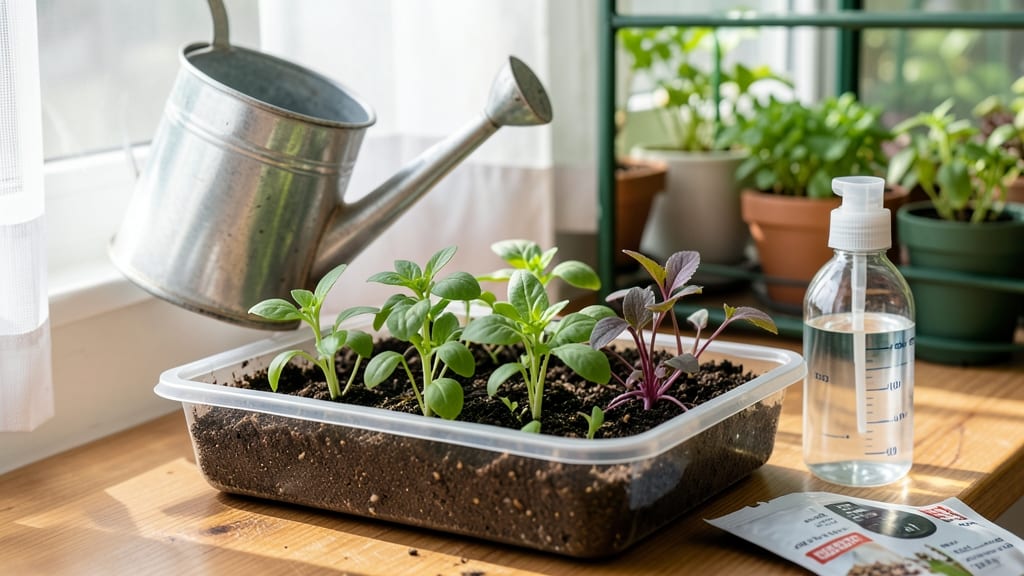
Watering newly planted seeds too often or too little can kill them before they even sprout—here’s the science-backed schedule to keep your 🌱 seeds thriving.
Struggling to coax life from your newly planted seeds? Overwatering or underwatering can kill germination before it starts—here’s the science-backed routine that ensures your seeds sprout with confidence.
Most seeds need soil that stays consistently moist but never soggy, which means checking daily and adjusting for your climate. In Zone 6a, spring’s unpredictable rains and warm days can turn watering into a guessing game.
Below, I break down the 3 simple rules for watering frequency, how to spot over- or underwatering, and the exact schedule for different seed types—so you never lose another batch to a simple mistake.
The 3 critical factors determining how often to water newly planted seeds
Newly planted seeds need consistent moisture to germinate, but getting the balance right can feel like walking a tightrope. Too little water and your seeds dry out; too much and you risk damping-off disease or root rot.
The key lies in understanding the three critical factors that dictate your watering schedule: seed type, soil moisture, and environmental conditions. Master these, and you’ll give your seeds the perfect start.
First, seed type plays a huge role. Delicate seeds like basil or lettuce need daily misting to stay hydrated, while hardier seeds like marigolds or sunflowers can tolerate slightly drier soil.
Always check the seed packet for specific recommendations—this is your first clue. For example, tomato seeds prefer consistently moist soil, while carrot seeds need lightly damp conditions to avoid clumping.
Next, soil moisture is the foundation of your watering routine. The goal is to keep the top ½ inch of soil evenly moist—not soggy, not bone-dry.
Use your finger to test: if the soil feels dry at the first knuckle, it’s time to water. Sandy soil drains quickly and may need daily watering, while clay soil holds moisture longer and can go 2-3 days between waterings.
A moisture meter can be a game-changer here, especially for beginners.
Finally, environmental conditions like temperature, humidity, and sunlight will dictate how often you need to water. Hot, sunny days cause soil to dry out faster, while cooler, cloudy days slow evaporation. If you’re growing in a greenhouse or indoors, humidity levels can also affect moisture retention.
For instance, a 90°F day might require morning and evening watering, whereas a 70°F day could only need one session.
| Factor | Key Considerations | Watering Adjustments |
|---|---|---|
| Seed Type | Delicate seeds (e.g., lettuce, basil) vs. hardy seeds (e.g., marigolds, sunflowers) | Delicate: Daily misting; Hardy: Every 2-3 days |
| Soil Type | Sandy (drains fast) vs. Clay (retains moisture) | Sandy: Water daily; Clay: Every 2-3 days |
| Environment | Temperature, humidity, sunlight exposure | Hot/sunny: Morning + evening; Cool/shady: Once daily |
| Container vs. Ground | Pots dry out faster than in-ground soil | Pots: Every 1-2 days; Ground: Every 3-5 days |
| Season | Spring (moderate) vs. Summer (intense) | Spring: Every 2 days; Summer: Daily or twice daily |
A common mistake I see is overwatering in the name of "keeping seeds moist." While seeds need moisture, excess water can suffocate them by cutting off oxygen or create the perfect conditions for fungal diseases like damping-off.
To avoid this, always water gently—use a spray bottle or a watering can with a fine rose attachment to mist the soil surface. Never let water pool on top of seeds, as this can wash them away or cause them to rot.
On the flip side, underwatering is just as damaging. Seeds need consistent moisture to activate enzymes that break down the seed coat and kickstart germination. If the soil dries out completely, your seeds may never sprout.
A simple trick is to place your seed trays or pots on a tray filled with pebbles and water. This creates a humid microclimate while keeping the soil moist from below—perfect for delicate seeds like peppers or herbs.
Another pro tip: water in the morning. This allows excess moisture to evaporate during the day, reducing the risk of fungal growth. If you must water in the evening, do so at least 4 hours before sunset to give the soil time to dry slightly.
And always use room-temperature water—cold water can shock seeds and stunt germination. A quick way to check if your watering routine is working is to look for even, dark green seedlings with sturdy stems. Pale or leggy seedlings are often a sign of inconsistent moisture.
Lastly, don’t forget that mulch can be your best friend when it comes to maintaining soil moisture. A thin layer of organic mulch, like straw or coconut coir, helps retain moisture and regulate soil temperature.
Just be sure to keep the mulch 1-2 inches away from the seeds themselves to avoid smothering them. With these three factors in mind—seed type, soil moisture, and environmental conditions—you’ll be well on your way to a thriving seedling garden.
🌱
Seed-specific watering schedule: what to do for different plant types
Not all seeds thrive with the same watering routine—some delicate seedlings need daily misting, while hardy annuals like sunflowers can handle slightly drier soil. The key is understanding your seed type’s moisture tolerance and adjusting your schedule accordingly.
For example, tomato seeds require consistent dampness, while marigold seeds prefer slightly firmer soil to prevent rot. Let’s break it down by category so you can tailor your watering like a pro.
Your soil type also plays a huge role. Sandy soil drains quickly, requiring more frequent watering, while clay holds moisture longer. Always check the top ½ inch of soil—if it’s dry, it’s time to water.
Use a moisture meter or your finger for accuracy. Pro tip: Mist seeds instead of pouring to avoid displacing them, and always water at soil level, not overhead, to prevent fungal diseases.
Here’s your 7-day watering schedule for common seed types, including visual cues to monitor soil moisture:
- Day 1-3: Delicate seeds (e.g., basil, lettuce, petunias) – Mist lightly every 12-24 hours. Keep soil damp but not soggy. 💧
- Day 4-5: Medium-hardy seeds (e.g., tomatoes, peppers, snapdragons) – Water every 24-48 hours. Let top ¼ inch dry between waterings. 🌿
- Day 6-7: Hardy annuals (e.g., sunflowers, marigolds, cosmos) – Water every 48-72 hours. Soil should feel slightly dry at surface. ☀️
For vegetable seeds, like carrots or radishes, aim for even moisture—uneven watering causes splitting or forked roots. Use a spray bottle for precision, especially in seedling trays.
If you notice mold or black spots, reduce watering and improve airflow by spacing seedlings apart. Herb seeds, such as cilantro or dill, prefer slightly drier conditions once they sprout, so taper back to watering every 2-3 days.
In hot climates, increase frequency to daily watering and use mulch to retain moisture. Conversely, in cool or humid conditions, let the soil dry slightly between waterings to prevent damping-off disease.
Always water in the morning to allow foliage to dry before nightfall. This simple adjustment can double your germination rates and give your seedlings the best start possible.
Remember, overwatering kills seeds just as surely as underwatering. The goal is consistent moisture, not a swampy seedbed. With this schedule, you’ll nurture healthy seedlings that transition smoothly into robust plants—no guesswork required! 🌱