
How To
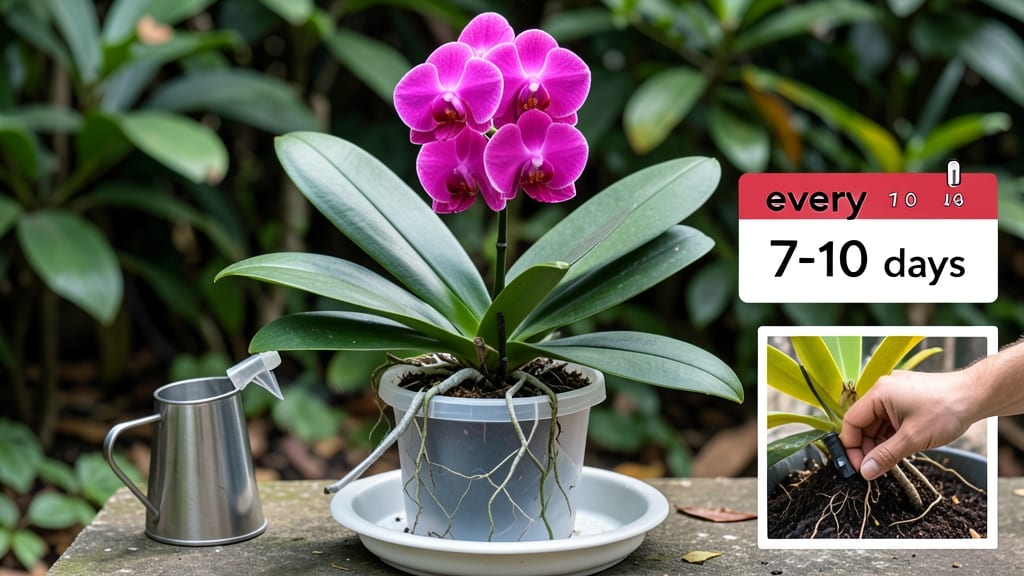
Watering orchids in summer every 3 days keeps their roots happy and blooms thriving—when you time it right.
Summer heat can turn your orchids from vibrant bloomers into wilted survivors—unless you master the perfect watering schedule. The 3-day rule isn’t just advice; it’s the secret to keeping your orchids lush and flowering all season long.
Most orchids need less water in summer than you think—overwatering is the real enemy. Too much moisture in the heat leads to root rot, while too little causes leaves to turn yellow or crispy at the edges. The key is balancing frequency with proper drainage and humidity.
Below, I’ll break down the exact schedule, how to adjust for your home’s conditions, and the simple tricks to spot when your orchids are thirsty or drowning—so you can keep those stunning blooms all summer long.
The 3-Day watering rule for summer orchids: when, why, and how it works
Summer can be a make-or-break season for orchids. Unlike other houseplants, orchids have specialized roots that need to breathe—they absorb moisture through their velamen layer, a spongy outer coating that also regulates airflow.
When summer heat ramps up, this delicate balance gets thrown off, and overwatering becomes the #1 killer of indoor orchids. The 3-day rule isn’t arbitrary; it’s rooted in science to match orchid root respiration with summer’s increased evaporation.
Think of orchid roots like a sponge in a breeze. In high humidity, they hold moisture longer, but in dry air (like AC-blown rooms or low-humidity homes), they dry out faster.
The 3-day window gives roots time to metabolize water without suffocating. Skip this rule, and you’ll end up with mushy roots or shriveled pseudobulbs—neither of which blooms happily.
Here’s the kicker: not all orchids play by the same rules. A Phalaenopsis (moth orchid) thrives on this schedule, but a Cattleya or Dendrobium might need adjustments. The key is monitoring root health, not just sticking to a calendar.
Let’s break down how to apply this rule—and when to tweak it—for your specific orchid type.
| Orchid Type | Summer Watering Frequency | Root Check Method | Signs of Overwatering | Signs of Underwatering |
|---|---|---|---|---|
| Phalaenopsis | Every 3–4 days (check roots daily) | Gently squeeze roots—should feel firm but pliable | Yellowing leaves, mushy roots, foul smell | Wrinkled pseudobulbs, dry root tips |
| Cattleya | Every 5–7 days (pseudobulbs store water) | Tap pseudobulbs—should sound hollow | Soft pseudobulbs, blackened roots | Shriveled leaves, dry root tips |
| Dendrobium | Every 4–5 days (needs airflow) | Lift pot—should feel light when dry | Root rot, leaf drop, slimy stems | Curling leaves, brittle canes |
| Vanda | Every 2–3 days (high humidity needs) | Mist roots—should absorb water quickly | Dark, waterlogged roots | Glassy, translucent leaves |
The 3-day rule starts with a deep soak until water drains freely from the bottom of the pot. This mimics tropical downpours, encouraging roots to expand and absorb fully.
After watering, place your orchid in a shady spot for 24 hours—this prevents sunburn on wet leaves, a common summer pitfall. Most orchids will drink up water in 10–15 minutes, so avoid soggy mixes.
Here’s how to diagnose watering issues before they become fatal. If your orchid’s leaves turn yellow or feel mushy to the touch, you’re overwatering. The roots will smell rotten (like a damp sock) and turn brown or black.
Underwatering shows up as wrinkled pseudobulbs or dry, papery leaves. Pro tip: Use a wooden skewer to check moisture—if it comes out clean after stirring the mix, water again.
Pot material matters more than you think. Plastic pots retain moisture longer, so you might stretch the 3-day rule to 4–5 days. Clay pots dry out faster, so check roots every 2–3 days.
Terracotta is ideal for Cattleyas, while plastic works best for Phalaenopsis. If your orchid is in a glass terrarium, reduce watering to every 5–7 days—humidity traps moisture, suffocating roots.
Summer humidity throws a wrench into the 3-day plan. In high-humidity climates (like Florida or tropical zones), roots stay moist longer, so skip watering if the mix isn’t dry. In dry indoor air (common with AC), you may need to water every 2–3 days.
A hygrometer (under $10) solves this guesswork—aim for 50–70% humidity. If your home drops below 40%, group orchids together or use a pebble tray to boost humidity.
Timing is everything. Water your orchid in the morning (between 8–10 AM) so excess water evaporates by evening. Avoid night watering—wet leaves + cool nights = fungus. For Phalaenopsis, I swear by the ice cube method: Place 1–2 ice cubes on the mix weekly.
This mimics natural rainfall and cools roots without shocking them. Just never use ice on Dendrobiums—their roots are more sensitive.
Watch
Adjusting your watering schedule: humidity, temperature, and orchid type matters
Summer’s high temperatures and fluctuating humidity levels can completely disrupt your orchid’s watering routine. The 3-day rule is just a starting point—your Phalaenopsis in Arizona won’t need the same care as your Cattleya in Seattle. Let’s break down how to fine-tune your schedule based on these key factors.
First, consider your local humidity levels. In dry climates like 30-40% humidity, orchids may need water every 2-3 days, while high humidity (above 60%) can stretch that to 5-7 days. A simple hygrometer ($10 at garden centers) solves this guessing game.
Next, the orchid type dictates your rhythm. Phalaenopsis (moth orchids) thrive with more frequent watering (every 3-4 days), while Cattleyas prefer longer dry spells (every 5-7 days). Even within species, blooming plants need slightly more moisture than dormant ones.
Adjusting Your Summer Watering Schedule
- ✅ Water every 2-3 days
- ✅ Use morning watering to reduce evaporation
- ✅ Increase humidity with pebble trays
- ✅ Water every 5-7 days
- ✅ Monitor for root rot risks
- ✅ Reduce misting frequency
- ✅ Use room-temperature water
- ✅ Avoid cold drafts near plants
- ✅ Check potting mix moisture
- ✅ Water early morning only
- ✅ Provide afternoon shade
- ✅ Use rainwater if possible
Temperature swings also demand adjustments. When indoor temps exceed 80°F, switch to daily shallow watering (just enough to dampen the roots) instead of deep soaks. For outdoor orchids, morning watering prevents sunburn on leaves, while afternoon watering can lead to fungal issues.
Watch for summer stress signs: yellow leaves often mean overwatering, while wrinkled pseudobulbs signal underwatering. A quick root check (gently remove the orchid from its pot) reveals the truth—healthy roots are green and firm, while rotten ones are mushy and brown.
Pro tip: Group orchids by watering needs to streamline care. Place high-maintenance varieties (like Paphiopedilums) near your bathroom or kitchen for extra humidity, while hardy types (like Dendrobiums) can handle drier spots. With these tweaks, your orchids will stay blooming beautifully all summer long. 🌸