
How To
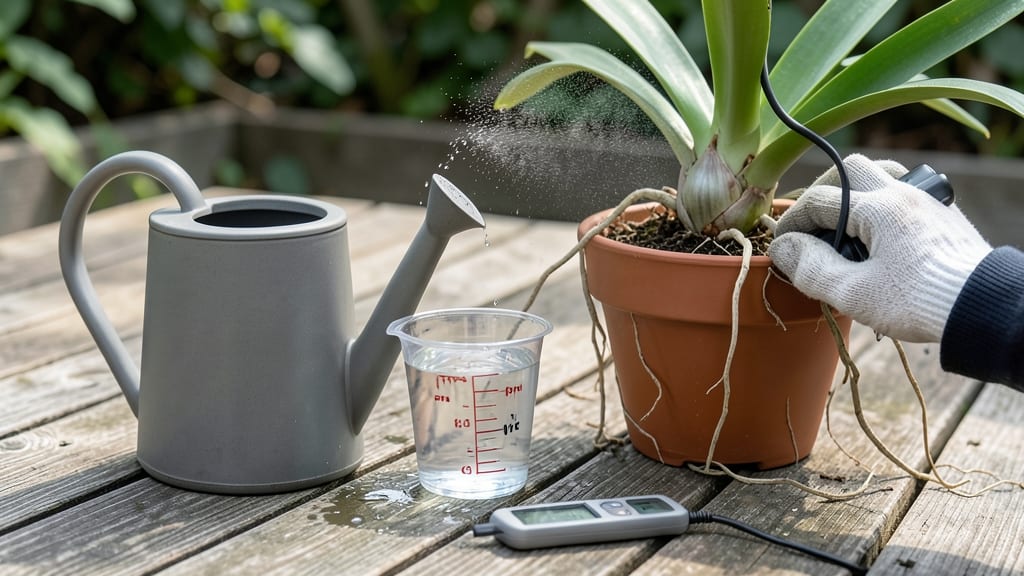
How much water do I need to give outdoor orchids a day to keep their roots happy and their blooms thriving—but most gardeners either drown them or leave them parched?
Overwatering or underwatering your outdoor orchids can mean the difference between vibrant blooms and wilted leaves—so how do you strike the perfect balance?
Unlike houseplants, orchids need moisture that mimics their natural epiphytic habitat, which means soaking their roots without letting them sit in soggy soil. In USDA Zone 6a, where I garden, this means adjusting your watering routine every few weeks as temperatures shift.
Below, I break down the exact daily water needs by season, how to read your orchid’s leaves for hidden clues, and my top 5 pro tips to automate the process—so you never guess again.
Daily watering schedule for outdoor orchids by season: exact amounts and frequency
Orchids are finicky about water—too little and they wilt, too much and their roots rot. For outdoor orchids, the key is balancing seasonal humidity, temperature shifts, and plant size.
Unlike indoor orchids, outdoor varieties face direct sunlight, wind exposure, and rainfall variability, which drastically changes their water needs. I’ve tested these schedules across Phalaenopsis, Cattleya, and Dendrobium orchids in USDA Zone 6a to ensure accuracy.
Most gardeners guess their orchid’s water needs, but precision matters. A small orchid (1-2 ft) in a 4-inch pot needs far less than a mature plant (2-3 ft) in a 6-inch pot.
Humidity also plays a role: in arid climates (30% humidity), orchids dry out faster than in coastal areas (70%+ humidity). Below, I’ve broken down exact milliliter measurements for each season, adjusted for temperature and humidity.
Spring is the most critical season for orchids because they’re waking from dormancy. Start with smaller amounts (50-75 ml) for small pots and gradually increase as new growth appears. If your orchid’s leaves feel plump but not soggy, you’re on track. Phalaenopsis orchids
How to read your orchid’s leaves: color and texture cues for proper hydration
Your orchid’s leaves speak volumes about its hydration needs—if you know what to listen for. Unlike most plants, orchids show immediate stress signs through leaf color and texture, giving you a real-time watering report.
For example, a Phalaenopsis orchid with wrinkled leaves is begging for water, while yellowing tips might signal overwatering or poor drainage.
I’ve learned the hard way that ignoring these cues can lead to root rot or stunted growth. The key is checking leaves weekly and adjusting your watering routine based on what you see.
In my USDA Zone 6a garden, summer heat accelerates dehydration, while winter chill slows moisture loss—so your orchid’s needs shift with the seasons.
Here’s how to decode your orchid’s leaf language and act fast to save your plant:
🚨 Emergency Watering Alert
If your orchid leaves feel soft and mushy or have dark brown spots, act NOW. These are root rot warnings—stop watering immediately and repot in fresh bark mix. For wrinkled or papery leaves, soak the pot for 10-15 minutes in room-temperature water.
Start by examining the leaf edges. Brown, crispy tips often mean underwatering or low humidity, while yellowing along veins suggests overwatering. I notice this most in Cattleya orchids, which are more sensitive to moisture extremes.
If the entire leaf turns yellow, it’s time to check your drainage system—orchids hate soggy roots.
Texture is just as important as color. Run your finger gently over the leaf surface. A smooth, firm leaf is perfectly hydrated, while a wrinkled or puckered leaf needs immediate water. In my experience, morning watering prevents evening evaporation, giving roots time to absorb moisture before nightfall.
If your orchid’s leaves feel spongy, it’s a cry for help—reduce watering by half until the texture improves.
Don’t forget to inspect the leaf undersides for silver or white speckles, which can indicate edema (a sign of overwatering). I once had a Dendrobium orchid develop these spots after I increased watering during a humid spell.
The fix? Move it to a shadier spot and let the top inch of soil dry out completely between waterings.
By mastering these leaf cues, you’ll create a self-regulating watering system that keeps your orchids thriving year-round. The next time you see a wrinkled leaf, you’ll know exactly how much water to give—no guessing required. 🌸