
How To
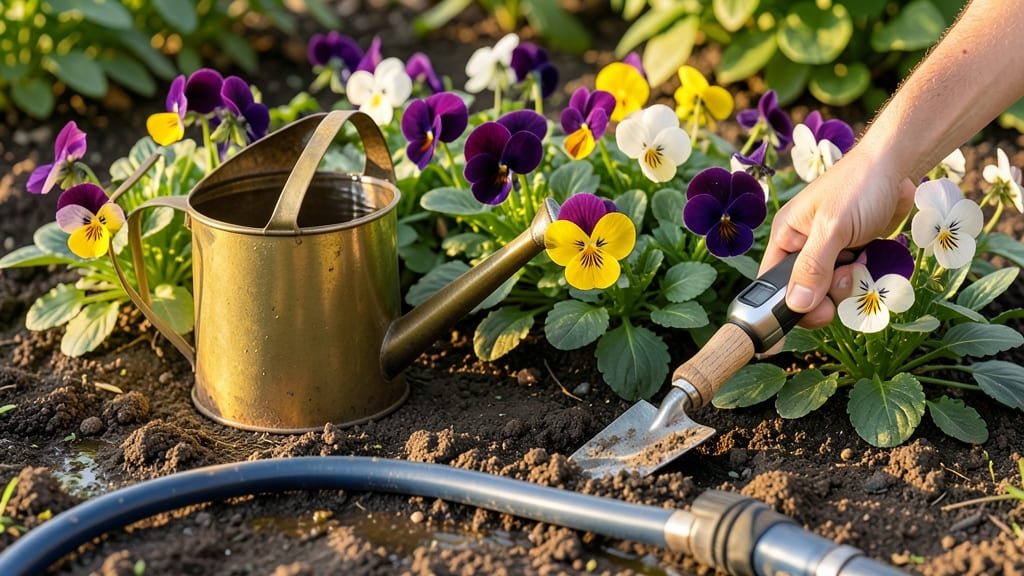
The 1-Inch soil test: the perfect watering frequency for pansies
Pansies thrive when their soil stays consistently moist but never soggy. The 1-inch soil test is my go-to method for determining the perfect watering schedule—it’s simple, science-backed, and works for both garden beds and containers.
Instead of guessing, you’ll learn exactly when to water based on soil moisture, not a rigid calendar.
Here’s how it works: Stick your finger about 1 inch deep into the soil near your pansies. If it feels dry at that depth, it’s time to water. If it’s still damp, wait another day.
This method prevents both underwatering (which causes wilting) and overwatering (which leads to root rot). The key is consistency—pansies hate moisture extremes!
Now, let’s break this down by season and climate. Your pansies’ water needs will shift with temperature, humidity, and rainfall. For example, in hot summer months, you’ll likely water daily, while in cool spring or fall, every 3-4 days may suffice.
Below, you’ll find a quick-reference table to adjust your watering routine effortlessly.
For container-grown pansies, the rules change slightly. Pots dry out faster, so you’ll need to water more frequently—often every 1-2 days in summer. Always water until you see moisture drain from the bottom, ensuring roots get a deep soak.
If your pansies are in hanging baskets, check the soil twice daily during heatwaves.
Don’t ignore the visual cues your pansies give you. Drooping leaves or flowers that close up by midday signal underwatering, while yellowing leaves or mushy stems mean you’re overdoing it.
Adjust your schedule based on these signs, not just the calendar. For example, if a heatwave hits, your pansies might need water twice a day until temperatures drop.
Mulching is another game-changer for pansies. A 1-2 inch layer of mulch (like straw or shredded leaves) helps retain moisture, reducing how often you need to water.
It also keeps soil temperatures stable, which is crucial in fluctuating climates. I’ve seen pansies in mulched beds stay vibrant for weeks longer than those without mulch!
If you’re in a drier climate, like the Southwest U.S., your pansies will need more frequent watering—sometimes even daily in peak summer. In humid regions, like the Southeast, you can stretch watering to every 3-4 days, as moisture lingers longer in the soil.
Always adjust based on your local weather patterns and rainfall.
Pro tip: Use a moisture meter for the first few weeks to get a feel for your soil’s moisture levels. Once you’re comfortable with the 1-inch test, you won’t need it anymore. Over time, you’ll develop an intuition for when your pansies need a drink—just like reading their little faces!
Remember, the goal is consistent moisture, not soggy soil. Pansies are resilient, but they’ll reward you with longer bloom times and healthier growth when you nail their watering routine.
Stick with the 1-inch test, adjust for your climate, and your pansies will thank you with vibrant blooms all season long. 🌸
Watering adjustments: when and how much for pansies in different conditions
Pansies thrive on consistent moisture but hate soggy soil—so adjusting your watering schedule based on conditions is key. Whether they're planted in containers or garden beds, heatwaves, or rainy seasons, each scenario demands a different approach.
Let’s break down how to fine-tune your watering routine to keep your pansies vibrant and healthy.
Containers dry out 3x faster than garden beds, so your watering frequency needs to match the environment. For example, a 5-gallon pot might need watering daily in summer, while in-ground pansies can stretch to 3-4 days between waterings.
Rainfall and mulch also play huge roles—let’s explore how to balance these factors for perfect pansy care.
- 🪴 Containers: Every 1-2 days in summer, 2-3 days in spring/fall. Check soil daily—if top 1 inch feels dry, water thoroughly.
- 🌱 Garden Beds: Every 3-4 days in summer, 5-7 days in cooler months. Soil retains moisture longer, so less frequent watering is needed.
- ☀️ Heatwaves: Increase to daily watering in extreme heat (above 90°F). Use mulch to retain moisture and reduce evaporation.
- 🌧️ Rainy Season: Reduce by 50% if receiving 1 inch+ of rain weekly. Skip watering entirely if soil is saturated.
- 🌿 Mulched Areas: Water 20-30% less frequently. Mulch (like straw) locks in moisture, cutting down evaporation by up to 40%.
Mulching is a game-changer for pansies—it acts like a natural moisture shield. Apply a 2-3 inch layer of organic mulch (like shredded bark or straw) around your pansies to slow water evaporation.
This means you can water less frequently while keeping roots consistently hydrated. Just be sure to keep mulch 1 inch away from stems to prevent rot.
Heatwaves demand extra attention. When temperatures climb above 85°F, pansies can wilt quickly—even with regular watering. To combat this, water early in the morning (before 8 AM) to minimize evaporation.
If your area is experiencing a prolonged heatwave, consider providing light shade with a sheer cloth to protect them from intense sun.
Rainfall can be a double-edged sword. After a heavy downpour, pansies in garden beds may not need water for 5-7 days. However, containers still require attention—even with rain, they dry out faster.
Stick your finger 1 inch deep into the soil: if it’s moist, hold off on watering. If dry, give them a drink to prevent stress.
Overwatering is just as damaging as underwatering. Yellowing leaves or mushy stems are red flags for root rot, a common issue when pansies sit in soggy soil.
If you notice these signs, reduce watering immediately and improve drainage by amending soil with perlite or compost. Always ensure pots have drainage holes to prevent waterlogging.
By tailoring your watering routine to these conditions, your pansies will stay lush, blooming, and resilient all season long. Consistency is key—so check that 1-inch soil test regularly and adjust as needed. Your pansies will thank you with vibrant blooms from spring to frost! 🌸