
How To
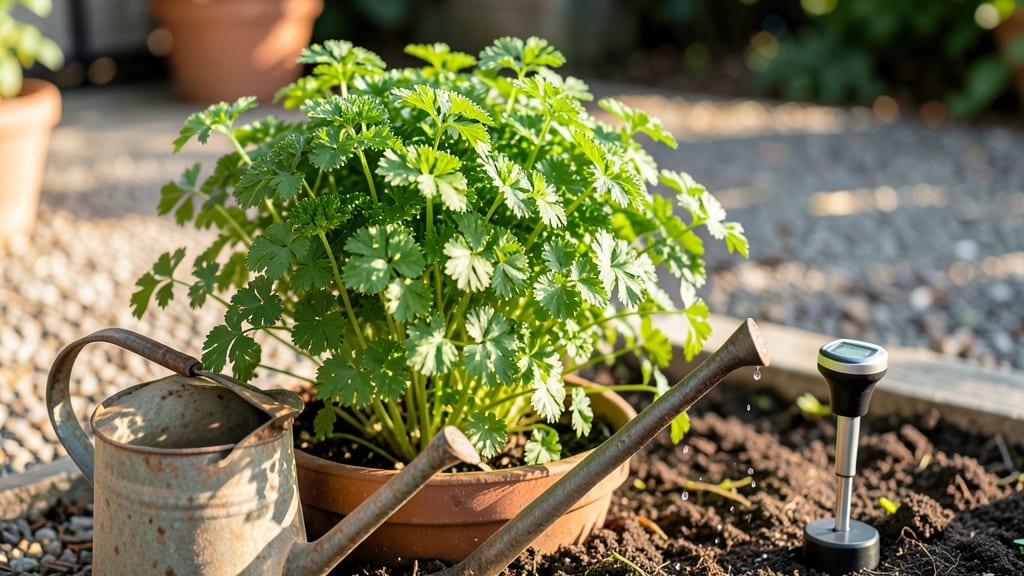
Watering parsley the right way keeps it thriving 🌿—aim for every 2–3 days in summer, but the real secret is checking soil moisture first.
Struggling to keep your parsley lush and flavorful? Overwatering or underwatering can turn your vibrant herb into a sad, wilty mess—here’s the exact watering schedule parsley craves to thrive.
Parsley prefers consistent moisture but hates soggy roots, which is why a simple finger-dip test (stick your finger an inch deep) is the most important trick. Too dry? The leaves crisp up. Too wet? Yellowing or mold appears.
Below, I’ll break down seasonal watering needs, container vs. garden differences, and how to fix common mistakes—so you can harvest fresh, flavorful parsley all season long.
The ideal parsley watering schedule by season (with soil test tricks)
Parsley thrives on consistent moisture but despises soggy roots—finding that sweet spot is key to growing flavorful, lush herbs. Unlike drought-tolerant herbs, parsley needs regular watering, especially during its active growing months. The trick? Use the finger-dip soil test to avoid guesswork and keep your parsley happy year-round.
Your parsley’s water needs shift dramatically with the seasons. In summer’s heat, it may need daily hydration, while winter dormancy reduces watering to just twice a month.
Below, I’ve broken down the exact schedule for each season, plus how to test soil moisture like a pro—no overwatering or wilting in sight!
For container-grown parsley, cut watering frequency by half—pots dry out 2x faster than garden beds. Always water at the base of the plant to avoid fungal diseases on leaves. Pro tip: Use a moisture meter or your finger to check soil depth before watering.
In hot climates (Zones 9-10), parsley may need morning and evening watering to survive. Mulch with straw or shredded leaves to lock in moisture and reduce evaporation. This trick saves time and keeps roots cool during peak heat.
If your parsley’s leaves feel soggy or limp, it’s overwatered. Let the soil dry slightly between waterings—parsley prefers consistently moist soil, not a swamp. For underwatered parsley, look for crispy edges and drooping stems. A quick deep watering (1-2 cups) usually revives it within hours.
Young parsley seedlings need gentle, frequent watering to establish roots. Use a spray bottle for the first 2 weeks, then graduate to deeper waterings. Avoid wetting leaves to prevent powdery mildew, a common parsley nemesis.
Ever wondered why your parsley tastes bland? Inconsistent watering dilutes flavor—parsley packed with essential oils thrives when hydrated just right. Stick to the schedule above, and you’ll harvest bold, aromatic leaves all season long.
Remember: Clay soil holds moisture longer than sandy soil. Adjust your watering by 1-2 days if your garden has heavy clay or fast-draining sand. When in doubt, dig your finger 1 inch deep—if it feels dry, water!
With this seasonal guide and soil test trick, your parsley will stay perky, productive, and pest-free. Happy growing—your kitchen (and soups!) will thank you. 🌿
Signs your parsley is overwatered or underwatered (and how to fix it)
Parsley thrives on a delicate balance of moisture—too much water drowns its roots, while too little causes stress and stunted growth. As someone who’s nursed my own parsley back from the brink, I’ve learned to spot these watering red flags early.
Yellowing leaves, mushy stems, or crispy edges are all clues your parsley is crying for help—literally. Let’s decode these signs so you can revive your herb before it’s too late.
First, check the soil moisture with your fingers. Stick your index finger about 1 inch deep into the soil. If it feels damp but not soggy, your parsley is happy.
If it’s bone-dry, it’s thirsty. If it’s cold and clammy, you’ve overdone it. This simple test saves parsley plants from root rot and wilting every time.
How often to water parsley? In containers, water every 1-2 days; in garden beds, every 3-4 days. But adjust for weather: daily in summer, bi-weekly in winter. Always water at the base, not the leaves, to prevent fungal diseases like downy mildew.
Fix it now: Let soil dry slightly between waterings. Add perlite or sand to improve drainage. If mold appears, trim affected leaves and space plants for airflow.
Yellowing leaves are a classic sign of overwatering, but they can also mean underwatering. The key difference? Overwatered parsley leaves turn yellow with mushy stems, while underwatered leaves yellow at the edges and feel crispy.
If your parsley looks like it’s drowning, stop watering immediately and let the top inch of soil dry out. For underwatered parsley, give it a deep watering at the base and mulch to retain moisture.
Mold or white fuzzy growth on soil or stems? That’s a sure sign of overwatering and poor drainage. I once lost a batch of parsley to this—don’t let it happen to you! Remove the moldy parts immediately and improve drainage by mixing compost or coarse sand into the soil.
If your parsley is in a pot, add drainage holes or switch to a terracotta container, which wicks away excess moisture.
Stunted growth or small, sparse leaves often mean your parsley isn’t getting enough water. Parsley needs consistent moisture to grow lush, but it hates soggy roots. If your plant looks leggy or weak, it’s begging for hydration.
Water deeply until you see moisture seep from the drainage holes (for pots) or the soil feels evenly damp. After watering, add a 2-inch layer of mulch to lock in moisture and keep roots cool.
Reviving parsley is easier than you think! For underwatered plants, trim the outer leaves to reduce stress and encourage new growth. For overwatered parsley, repot it in fresh, well-draining soil and avoid watering until the soil is dry to the touch.
With the right care, your parsley will bounce back in 2-3 weeks—just like mine did after my first watering mishap.
Remember, parsley’s flavor and health depend on balanced watering. Keep an eye on the soil, adjust for your climate, and your parsley will reward you with bold, vibrant leaves all season long. Happy gardening!