
How To
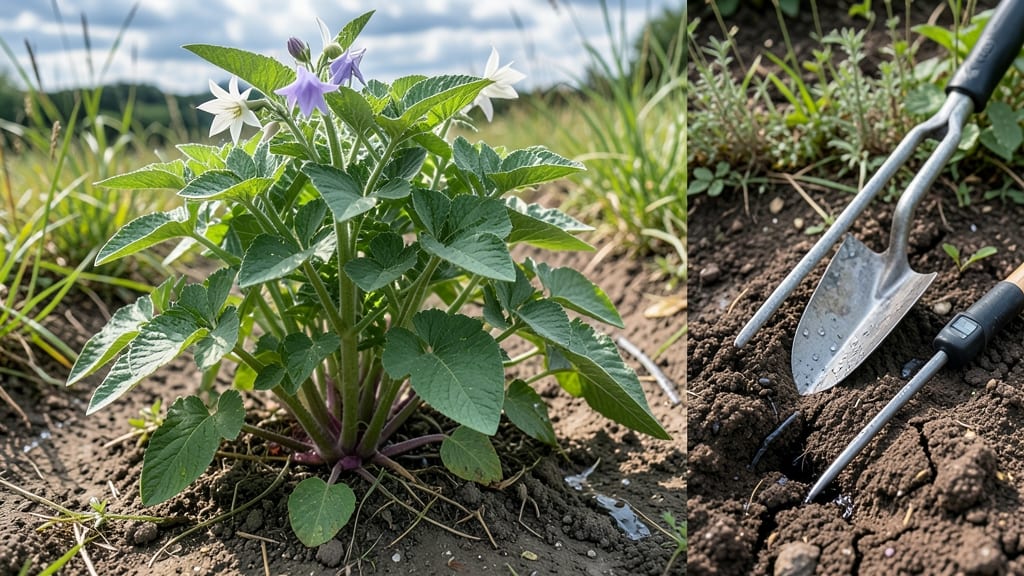
To water potatoes the right way, aim for 1-2 inches of moisture per week—deep soaks that keep the soil consistently damp but never soggy.
Struggling to balance potato watering—too little stunts growth, too much drowns roots? The secret to a thriving harvest lies in checking soil moisture before each watering, not sticking to a rigid schedule.
Potatoes 🥔 need more water during their tuber-forming stage (about 60-90 days after planting), when they’re growing underground. Too little moisture means small, tough tubers; too much leads to rot.
In this guide, I’ll show you the soil dry test, how to adjust for heat waves or rainy spells, and the exact watering schedule for each growth phase—so you get a bountiful harvest without wasting a drop.
Potato watering schedule by growth stage: when and how much to water
Mastering your potato watering schedule is the difference between a bountiful harvest and stunted tubers. Potatoes need consistent moisture, but overwatering can cause root rot while underwatering leads to small, misshapen potatoes.
The key lies in adjusting your watering routine as your plants progress through three critical growth stages: sprouting, flowering, and tuber development.
During the sprouting stage (first 4-6 weeks), young potato plants need moderate moisture to establish roots without becoming waterlogged. As they enter flowering stage (weeks 6-8), water demands increase to support tuber formation.
Finally, in the tuber development stage (weeks 8-12), consistent moisture becomes crucial for size and quality—but never at the cost of soggy soil.
Here’s your stage-by-stage watering guide, including soil moisture indicators to help you water like a pro:
| Growth Stage | Water Frequency | Soil Moisture Goal | Depth to Water | Key Signs |
|---|---|---|---|---|
| Sprouting (Weeks 1-4) | Every 3-4 days | Consistently damp (not soggy) | Top 2-3 inches | Wilted leaves = needs water; yellowing = overwatered |
| Flowering (Weeks 5-8) | Every 2-3 days | Deeply moist (like a wrung sponge) | Top 4-6 inches | Drooping flowers = thirsty; moldy stems = too wet |
| Tuber Development (Weeks 9-12) | Every 2-4 days | Uniformly damp (no dry pockets) | Top 6-8 inches | Cracked soil = dry out; mushy tubers = overwatered |
In the sprouting stage, focus on light but frequent watering to encourage root growth.
Aim for 1 inch of water per week, delivered in the early morning to reduce evaporation and fungal risks. Mulch with straw to retain moisture and keep soil temperatures stable—this is especially critical in hot climates where soil dries out quickly.
When your potatoes enter the flowering stage, increase watering to 1.5 inches per week. This is when tubers begin forming, and consistent moisture prevents them from splitting or developing scab disease.
Pay attention to the soil’s texture: it should feel like a damp sponge, not a soggy mess. If the top 2 inches dry out, it’s time to water again.
During tuber development, maintain deep, even moisture to maximize yield. Water deeply every 2-3 days in hot weather or every 4 days in cooler conditions.
Avoid wetting the foliage to prevent diseases like blight. Instead, use a soaker hose or drip irrigation to deliver water directly to the roots.
One common mistake is watering on a fixed schedule without checking soil moisture. Instead, use the finger test: stick your index finger 2-3 inches deep into the soil.
If it feels dry, water thoroughly. If it’s still damp, wait another day. This method prevents both overwatering and underwatering, ensuring your potatoes grow large and disease-free.
For container-grown potatoes, water even more frequently—every 1-2 days in summer—since pots dry out faster. Use well-draining containers with holes and a moisture-retentive mix (like 60% potting soil, 30% compost, 10% perlite). Monitor soil moisture closely, as root-bound tubers suffer more from inconsistent watering.
Adjust your watering routine based on weather conditions. After heavy rain, skip watering for 2-3 days to avoid waterlogged soil. In extreme heat (above 90°F), water daily in the morning to prevent stress. Always water deeply—shallow watering encourages shallow roots, leading to smaller potatoes.
By following this stage-specific watering schedule, you’ll grow plump, high-quality potatoes without the guesswork. The secret? Consistency and attention to soil moisture—not just a calendar. Your harvest will thank you with bigger, healthier tubers every time! 🥔
The soil dry test method: how to check moisture levels for perfect potato watering
Mastering the soil dry test is the simplest way to determine when your potatoes need water. Instead of guessing, stick your finger into the soil to feel moisture levels—this method prevents both underwatering (stunted growth) and overwatering (root rot).
I’ve found that most gardeners overcomplicate watering, but potatoes actually thrive with consistent moisture, not soggy soil.
Start by testing the soil 2-3 inches deep—this is where the roots actively grow. If the soil feels dry at this depth, it’s time to water.
Dark, crumbly soil with moisture clinging to your finger is ideal, while powdery or cracked soil means you’ve waited too long. Visual cues like wilting leaves or dry soil surface can also signal dehydration.
⚠️ WARNING: Overwatering vs. Underwatering ⚠️
For a more precise approach, use a moisture meter ($10-$20 at garden centers). These tools measure moisture levels in real time, eliminating guesswork. I recommend the Xiaomi Mi Flower Care meter—it’s affordable and accurate. Insert the probe 2-3 inches deep near your potato plants, and aim for a reading between 40-60% moisture. Readings below 30% mean it’s time to water.
Adjust your watering based on weather conditions. During hot, dry spells, you may need to water every 2 days, while cool, cloudy weather extends the gap to 5-7 days.
Mulch with straw or grass clippings to retain moisture and reduce evaporation. I’ve seen mulched beds stay damp 20% longer than unmulched ones, cutting watering frequency by nearly half.
Avoid these common mistakes that ruin potato harvests: watering only when leaves wilt (too late!), using a sprinkler (leads to fungal diseases), or ignoring soil type (clay holds water longer than sandy soil).
Instead, water deeply at the base in the morning to encourage strong root growth. Drip irrigation is my top recommendation—it delivers water directly to roots without wetting foliage.
Remember, potatoes need consistent moisture but hate waterlogged soil. By mastering the soil dry test and adjusting for weather, you’ll grow large, disease-free tubers every season. Start testing your soil today—your harvest depends on it! 🥔💧