
How To
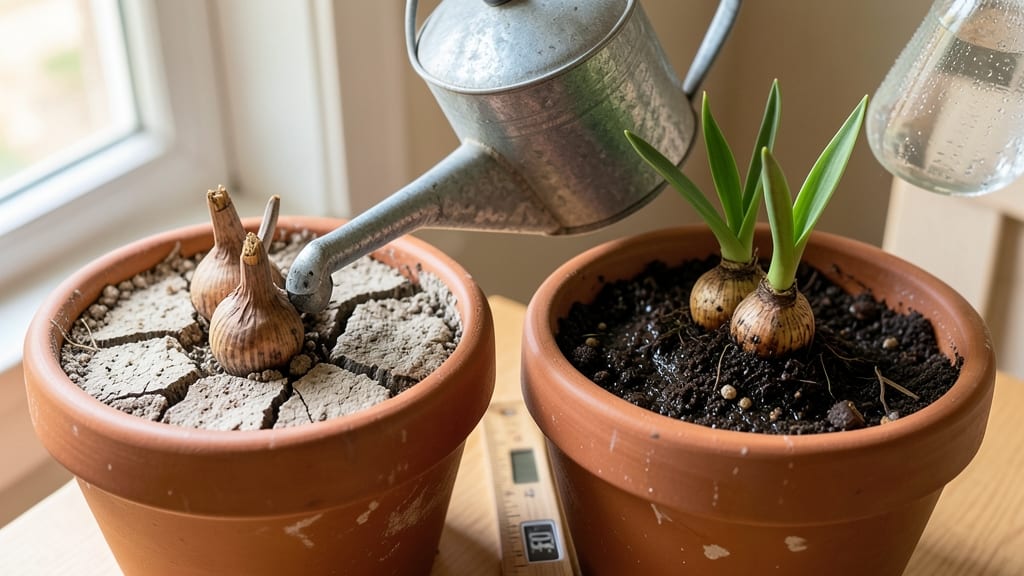
Watering potted tulips the right way keeps their roots happy and their blooms coming back every year — but most gardeners either drown them or let them dry out.
Struggling to keep your potted tulips blooming year after year? The secret isn’t just how much you water—it’s when you water, and how to tell if their soil is truly thirsty. Overwatering or underwatering can turn vibrant tulips into sad, wilted stems in weeks.
Think of it like a moisture balance: too much water rots the roots, while too little stunts the growth. The key is checking the soil before you water—stick your finger in about an inch deep. If it feels dry, it’s time; if it’s still damp, wait a few more days.
Below, I’ll walk you through the exact watering schedule for each season, how to spot trouble before it starts, and the simple tricks that keep your tulips thriving in pots all year.
The soil-dry test: how to water potted tulips without overkill
Mastering the art of watering potted tulips starts with understanding their unique moisture needs. Unlike garden tulips, container-grown bulbs have limited soil volume and no natural rainwater backup. This means overwatering is just as deadly as underwatering—both can suffocate roots or starve them of hydration.
The key? Learning to read your soil’s moisture signals before your watering can even thinks about lifting.
I’ve learned the hard way that tulip bulbs store energy in their roots, and too much water forces them to use that reserve prematurely. Meanwhile, too little water stresses them into early dormancy. The solution?
A simple finger-check method that takes seconds but saves weeks of guesswork. Let’s break it down so you can water with confidence, whether your pots are basking in summer sun or tucked indoors for winter.
How Often to Water Potted Tulips: The Finger-Check Guide
- Step 1: Wait until the top 1-2 inches of soil feel completely dry. Stick your finger in—if it comes out clean, it’s time to water.
- Step 2: Water deeply until liquid drains from the pot’s bottom. Tulips hate soggy feet, so empty the saucer after 10 minutes to prevent root rot.
- Step 3: Adjust frequency by season and pot size. Small pots (under 6 inches) dry faster—check every 3-5 days in summer. Larger pots (8+ inches) may last 7-10 days between waterings.
- Step 4: During blooming (spring), water when the soil feels dry to the touch—usually every 5-7 days. In dormancy (summer/winter), reduce to every 2-3 weeks or when the soil is bone-dry.
- Step 5: For indoor pots, water 20-30% less than outdoor pots—humidity levels drop indoors, and bulbs dry out faster near heat sources like windows.
Your tulips’ growth stage dictates their thirst. When buds first appear in spring, they’re energy-hungry and need consistent moisture to fuel blooms. But once flowers fade, let the soil dry out more between waterings—this mimics nature’s signal for bulbs to rest and store energy for next year.
I’ve seen tulips rebloom for years when I follow this rhythm, while overwatered pots produce fewer flowers and weaker stems.
Pot size matters more than you’d think. A 6-inch pot holds about 1 gallon of soil, which dries out in 3-5 days in hot weather. Upgrade to an 8-inch pot, and you’re looking at 7-10 days between waterings.
Pro tip: Add perlite or sand to heavy soils to improve drainage—tulips despise sitting in wet socks.
Indoor vs. outdoor pots need completely different care. Outdoor pots benefit from natural rainfall, so I cut watering by 30% in rainy seasons. But indoor pots? They’re a different story.
Heat from radiators or sunny windows can dry soil twice as fast. Place a humidity tray nearby or group pots together to create a microclimate that slows evaporation.
Watch for seasonal cues to fine-tune your watering. In summer dormancy, tulip leaves yellow and die back—this is normal! Reduce watering to every 3-4 weeks unless the pot feels lightweight.
Come fall, as new leaves emerge, gradually increase moisture to prep bulbs for next spring’s blooms. I’ve revived multiple "dead" tulips by adjusting to these natural cycles.
Mulch isn’t just for garden beds—it’s a game-changer for potted tulips. Top your soil with 1 inch of straw or bark mulch to slow evaporation and keep roots cool.
This simple trick can stretch watering intervals by 2-3 days in summer. Just avoid piling mulch against the stems to prevent rot.
Even with perfect watering, yellow leaves or mushy stems can signal trouble. If your tulips look sad, check the soil: Clay-like and crumbly = underwatered. Squishy and cold = overwatered.
Adjust immediately—tulips are resilient, but they won’t forgive chronic neglect. With the finger-check method, I’ve saved countless potted tulips from the compost bin!
Common mistakes that kill potted tulips (and how to fix them)
Potted tulips are delicate—one wrong move with watering can send them into a downward spiral. The most common killer is overwatering, which suffocates roots and invites root rot. But underwatering is just as dangerous, causing bulbs to shrivel and stems to wilt.
The key is balance, and I’ve seen gardeners lose entire pots because they ignored the early warning signs.
Yellowing leaves? That’s often a cry for help—either too much water or not enough. Moldy soil with a foul smell means you’re drowning your tulips, while crispy, brown edges signal dehydration.
Both problems can be fixed, but you need to act fast before the bulbs give up completely. Let’s break down the symptoms and solutions side by side.
Watering Potted Tulips: Pros & Cons
| Action | Pros | Cons |
|---|---|---|
| Watering every 5-7 days | Keeps soil moist but not soggy; ideal for blooming season | Risk of underwatering if soil dries too fast |
| Deep watering (soak until drainage) | Encourages deep root growth; prevents shallow roots | Can overwater if pot lacks drainage holes |
| Checking soil moisture with finger | Prevents guesswork; adjusts to climate changes | Requires daily checks during extreme heat |
| Using well-draining soil mix | Reduces root rot risk; mimics natural conditions | May dry out too quickly in hot climates |
⚠️ Fix: Adjust watering based on soil type and season. Use terracotta pots for faster drainage if needed.
If your tulip’s leaves are turning yellow but the stems stay firm, it’s likely overwatering. The fix? Let the top 2 inches of soil dry out before watering again. For crispy edges, water deeply in the morning to revive the roots.
Pro tip: Mulch the soil surface with perlite or sand to improve drainage and retain moisture without soggy conditions.
Moldy soil with a musty smell is a red flag for root rot. Stop watering immediately and let the pot air out for 24 hours. Gently remove the bulb from its pot, trim any mushy roots with sterile scissors, and repot in fresh, sterilized soil.
If the bulb smells foul, it’s past saving—time to replace it. Prevention is key: always use pots with drainage holes.
Stunted growth or weak stems? Your tulip might be underwatered or nutrient-deficient. Move the pot to a sunnier spot and water deeply until it drains from the bottom.
After blooming, fertilize lightly with a balanced bulb fertilizer (like 5-10-10) to encourage next year’s growth. Remember, tulips store energy in their bulbs—don’t skip this step!
Reviving a stressed tulip takes patience. If the leaves are wilted but the bulb is still firm, place the pot in a shady spot and water lightly every 3-4 days.
Avoid fertilizing until new growth appears. With the right care, even neglected tulips can bounce back—just give them time to recover.