
Watering
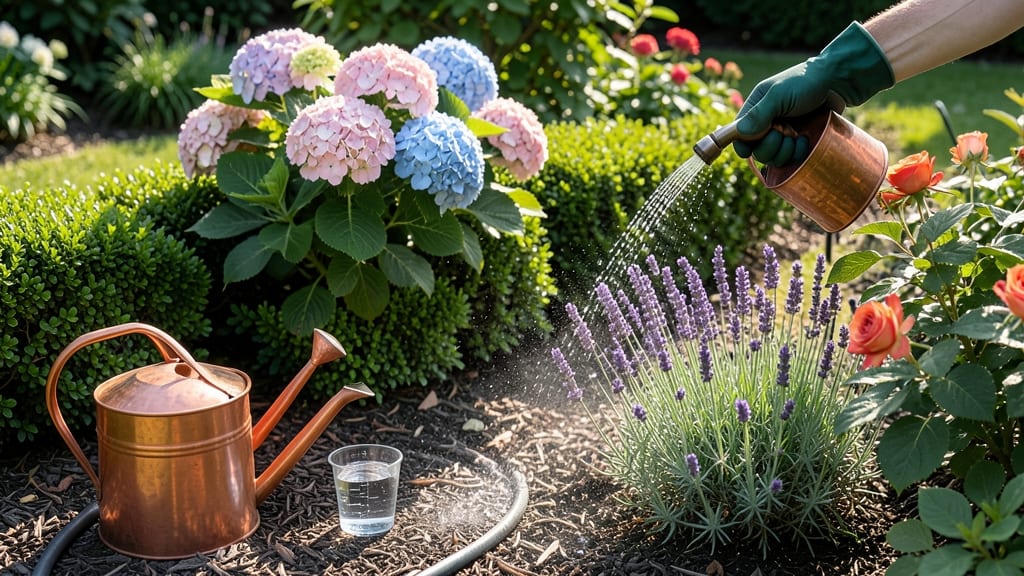
Watering shrubs the right way means checking soil dryness every 1-2 inches—not guessing how often to water them.
Struggling to keep your shrubs lush without drowning their roots? Overwatering kills just as much as underwatering—and the right watering schedule depends on more than just guessing. Whether you're in Zone 6a or another climate, a simple soil test can save your 🌿 from root rot or wilting.
Most shrubs need water when the top inch of soil feels dry, but evergreens and drought-tolerant types like lavender have different rules. I’ll break down the exact method to test moisture, adjust for season, and spot the warning signs before it’s too late.
By the end, you’ll know exactly when to water—no more second-guessing, no more wasted water, and shrubs that thrive year after year.
The 1-Inch soil dry test: simple method to water shrubs perfectly
Watering shrubs correctly can feel like a guessing game—too much water and you risk root rot, too little and your plants wilt. The 1-inch soil dry test is my go-to method to strike the perfect balance.
This simple technique helps you water shrubs based on their actual moisture needs, not just a calendar schedule. By checking soil moisture at the right depth, you’ll avoid both overwatering and underwatering, keeping your shrubs thriving year-round.
The key is focusing on the top 1-2 inches of soil, where most shrub roots absorb moisture. Unlike deep-rooted trees, shrubs have a shallower root system, so this depth gives you the most accurate reading.
Evergreens and deciduous shrubs have different needs, and seasonal changes also play a role. Let’s break down how to use this test to water your shrubs perfectly, no matter what type you’re growing.
How Often to Water Shrubs: Step-by-Step Guide
- Step 1: Choose the right time—morning is best to avoid evening moisture that can invite fungal diseases.
- Step 2: Insert your finger or a soil moisture meter 1-2 inches deep into the soil near the shrub’s base.
- Step 3: Check for dryness: If the soil feels dry at this depth, it’s time to water.
- Step 4: Water deeply until moisture reaches 6-8 inches down, encouraging roots to grow deeper.
- Step 5: Adjust frequency based on shrub type:
- Deciduous shrubs (e.g., hydrangeas, lilacs): Water every 5-7 days in summer.
- Evergreens (e.g., boxwoods, junipers): Water every 7-10 days in summer.
- Drought-tolerant shrubs (e.g., lavender, rosemary): Water every 10-14 days.
- Step 6: Reduce watering in fall and winter—most shrubs enter dormancy and need far less moisture.
- Step 7: Mulch around the base to retain moisture and regulate soil temperature, reducing how often you need to water.
Your climate zone also impacts how often you water. In arid regions, like the Southwest, shrubs may need water every 3-5 days in peak summer, while in humid climates, like the Southeast, you might only need to water every 7-10 days.
Pay attention to local weather—afternoon rains can mean you skip watering for a few days, while prolonged dry spells may require more frequent checks.
One of the biggest mistakes I see is watering based on a fixed schedule rather than soil conditions. For example, a hydrangea in full sun might need daily watering in July, while the same plant in partial shade could go a week without water.
Always test the soil first—it’s the only way to know for sure. If you’re unsure whether your shrub is thirsty, gently tug on a leaf. If it feels limp or wilts easily, it’s time to water.
Newly planted shrubs are the exception—they need more frequent watering to establish roots. For the first 30-60 days after planting, water every 2-3 days until the soil is consistently moist.
After that, you can gradually shift to the 1-inch dry test method. This transition helps prevent shock and ensures your shrubs develop a strong root system for long-term health.
Seasonal adjustments are critical. In spring and fall, when temperatures are moderate, most shrubs only need water every 7-14 days. But in summer’s peak heat, even drought-tolerant shrubs may need weekly watering.
Always water in the early morning to minimize evaporation and reduce the risk of fungal diseases like powdery mildew, which thrives in damp conditions.
If you’re growing containerized shrubs, the rules change slightly. Potted plants dry out faster, so you’ll need to water every 3-5 days in summer, checking the soil at the same 1-2 inch depth.
Containers also lack the moisture-retaining benefits of garden soil, so mulch the top layer to slow evaporation. Avoid letting the soil dry out completely—shrubs in pots are more vulnerable to stress and root damage.
Signs of overwatering include yellowing leaves, moldy soil, or a foul smell around the base. If you see these, cut back on watering and improve drainage by amending the soil with perlite or sand.
On the other hand, underwatered shrubs often have crispy leaf edges, wilting, or a dull appearance. Adjust your watering frequency based on these cues, and always trust the soil test over a rigid schedule.
With the 1-inch soil dry test, you’ll give your shrubs the perfect amount of water—enough to keep them lush but not so much that you risk root rot.
It’s a game-changer for maintaining healthy, vibrant shrubs with minimal effort. Once you master this method, you’ll never second-guess your watering routine again! 🌿
Watering frequency by shrub type: deciduous vs evergreen vs drought-tolerant
Not all shrubs drink the same way—deciduous shrubs like hydrangeas need consistent moisture, while evergreens such as boxwoods prefer staying slightly drier. Then there are drought-tolerant stars like lavender and rosemary that thrive on neglect.
Your watering schedule should match your shrub’s natural habits, not your guesswork. Let’s break down the exact watering frequency for four common shrubs, plus seasonal tweaks to keep them happy without drowning their roots.
First, understand that soil type and climate shift the rules. Sandy soil drains fast, so you’ll water more often, while clay holds moisture longer. In humid climates, reduce frequency to avoid fungal diseases, but in arid zones, deep watering every 5–7 days keeps roots hydrated.
Always water at the base, not overhead, to prevent leaf diseases and evaporation.
Pro tip: Use the finger test—stick your index finger 1–2 inches into the soil. If it feels dry, water deeply until moisture reaches 6 inches down. For container-grown shrubs, check daily in summer since pots dry out faster. Mulch with 2–3 inches of organic matter (like shredded bark) to lock in moisture and protect roots from temperature swings.
Watch for overwatering red flags: mushy stems, yellow leaves with brown edges, or a musty soil smell. Underwatered shrubs show crispy leaf edges, wilting even when soil is damp, or premature leaf drop.
Adjust your schedule based on these cues—your shrubs will thank you with vibrant blooms and strong growth all season long.
Remember, seasonal shifts matter most. Hydrangeas and boxwoods slow down in winter, so cut back to monthly watering unless your region freezes solid. Drought-tolerant shrubs like rosemary and lavender? They’ll survive on rain alone in winter—just don’t drown them in summer heat. The key is consistency, not perfection.