
How To
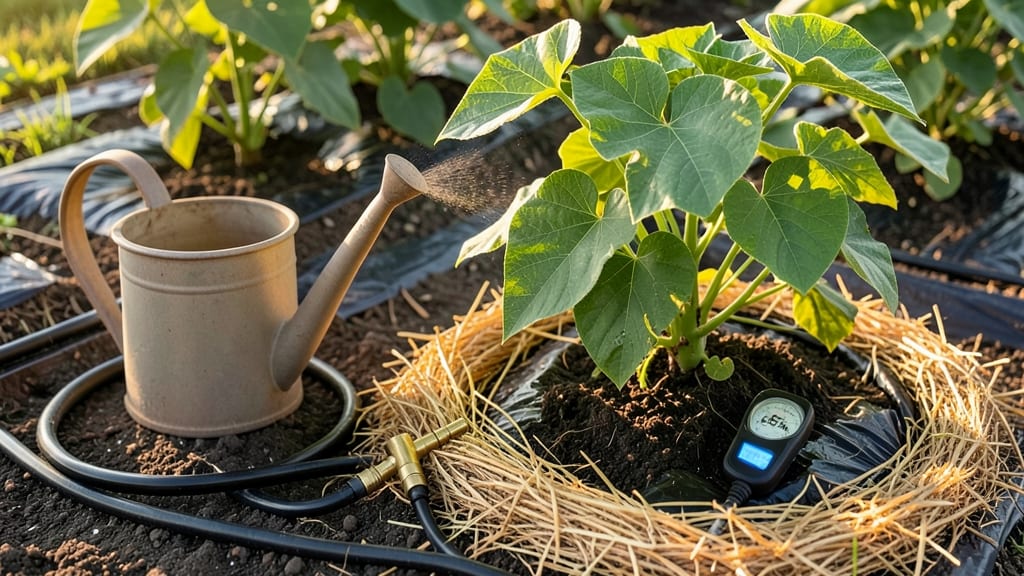
Sweet potato watering schedule by growth stage: from seedlings to harvest
Sweet potatoes need consistent moisture but hate soggy soil. Their water needs change dramatically from seedlings to harvest. Understanding these stages helps you avoid root rot or stunted tubers. Let’s break down the perfect watering schedule for each phase, including adjustments for heat waves and drought conditions.
When your sweet potato slips first sprout, they’re delicate. The soil must stay evenly moist—never dry, never waterlogged. Overwatering at this stage can drown young roots, while underwatering causes poor vine establishment.
Aim for 1 inch of water per week, delivered through drip irrigation or a gentle watering can to avoid disturbing the soil.
| Growth Stage | Watering Frequency | Soil Moisture Target | Adjustments for Heat/Drought |
|---|---|---|---|
| Seedlings (0-4 weeks) | Every 2-3 days | 1-2 inches deep, evenly moist | Use shade cloth if temps exceed 90°F |
| Vine Development (4-8 weeks) | Every 3-5 days | 2-3 inches deep, consistent | Increase to daily if no rain for 3+ days |
| Tuber Formation (8-12 weeks) | Every 5-7 days | 3-4 inches deep, slightly drier | Reduce watering 2 weeks before harvest |
| Harvest Prep (12-16 weeks) | Every 7-10 days | 2-3 inches deep, dry topsoil | Stop watering 1 week before digging |
As your sweet potato vines thicken (weeks 4-8), they demand more water to support leafy growth. Switch to deep watering every 3-5 days, ensuring moisture reaches 6 inches deep.
Use a soil moisture meter or your finger to check—if the top 2 inches feel dry, it’s time to water. During heat waves, increase frequency to every 2-3 days and water in the early morning to prevent evaporation.
When tuber formation begins (weeks 8-12), reduce water slightly to every 5-7 days. Too much moisture now causes small, watery tubers. Let the top 3-4 inches of soil dry out between waterings.
Mulch with straw or leaves to retain moisture without overwatering. In drought-prone areas, deep water every 5-7 days and avoid shallow sprinkling, which encourages surface root growth.
Two weeks before harvest, cut back on watering entirely. This hardens the tuber skin and improves storage life. If digging when soil is too wet, tubers bruise easily. For container-grown sweet potatoes, reduce watering to every 7-10 days during tuber formation, as pots dry out faster.
Always use well-draining containers with drainage holes to prevent root rot.
Watch for wilting leaves or yellowing vines—signs of underwatering. Conversely, mushy stems or blackened leaves mean you’re overwatering. Adjust your schedule based on weather patterns: increase watering during 100°F+ heat and decrease during cool, cloudy spells.
A drip irrigation system on a timer is ideal for consistency.
Pro tip: Group sweet potatoes with other thirsty plants like okra or peppers to maximize water efficiency. Avoid watering foliage to prevent fungal diseases like Alternaria.
If your garden has clay soil, amend with compost to improve drainage. For sandy soil, water more frequently but shallowly to prevent runoff.
By tailoring your watering routine to each growth stage, you’ll grow larger, sweeter tubers with fewer pests. Pay attention to your plants’ signals—they’ll tell you exactly what they need! 🌱
The 'finger test' method: how to check soil dryness for sweet potatoes
Sweet potatoes need consistent moisture to develop those plump, sweet tubers we all love. But how do you know when to water? The finger test is my go-to method—simple, accurate, and perfect for gardeners of all levels.
By checking soil moisture at the right depth, you'll avoid both waterlogged roots and stressed plants that shrivel before harvest.
This method works for both in-ground gardens and container growing, but the depth and frequency differ based on your soil type. Sandy soil drains fast, while clay holds moisture longer.
I’ll walk you through the exact steps, plus how to adjust for heatwaves, droughts, or sudden rain. Let’s dig in!
- 1. Insert your finger 1-2 inches deep into the soil near the plant’s base (but not touching the stem).
- 2. Check moisture: If soil feels dry and crumbly, it’s time to water. If damp or sticky, wait 1-2 more days.
- 3. Adjust for soil type: Sandy soil may need watering every 2-3 days; clay soil can go 5-7 days between waterings.
- 4. Factor in weather: Water daily in 90°F+ heat; reduce to every 5-7 days after rain.
- 5. Water deeply: Soak until moisture reaches 6 inches deep—this encourages tuber development.
For container-grown sweet potatoes, your soil will dry out faster. Check the top 1 inch of soil—if it’s dry, water thoroughly until it drains from the bottom.
Containers also heat up quicker, so monitor them daily in summer. Pro tip: Use a moisture meter if you’re unsure, especially for high-value crops.
Overwatering is just as harmful as underwatering. Signs of too much water include yellowing leaves, mushy stems, or fungal growth on the soil. If you see these, let the soil dry out slightly before watering again.
For underwatered plants, leaves will wilt or curl, and the vines may stop growing. In this case, give them a deep drink and mulch to retain moisture.
Mulching is a game-changer for sweet potatoes. Apply a 2-3 inch layer of straw or wood chips around the base (but not touching the stems) to lock in moisture and regulate soil temperature.
This means you’ll need to water less frequently—perfect for busy gardeners! Just remember to keep mulch 6 inches away from stems to prevent rot.
Timing matters too. Always water in the early morning to reduce evaporation and fungal risks. Avoid evening watering, as wet foliage overnight can lead to blight or mildew.
If you’re using a drip irrigation system, set it to deliver 1-2 inches of water per week, adjusting for rain. And if you’re in a drought-prone area, consider drought-tolerant varieties like ‘Beauregard’ or ‘Georgia Jet’—they handle dry spells better.