
How To
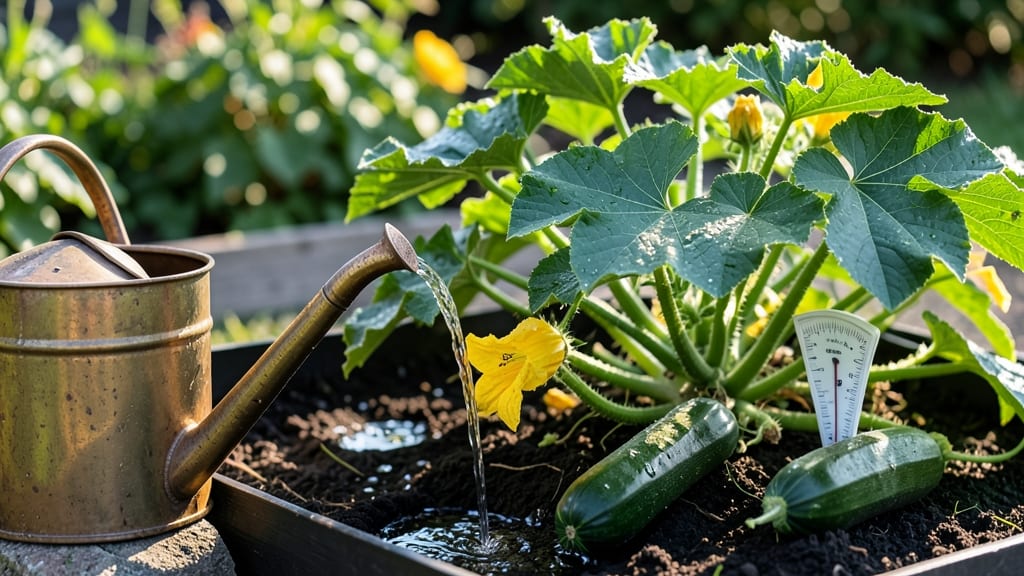
To water zucchini plants fast growth, aim for 1-2 inches every 2-3 days—but that’s just the starting point.
Zucchini 🎃 plants grow like weeds—but only when you water them just right. Too little, and your harvest wilts; too much, and roots drown. Here’s the science-backed watering schedule your zucchini vines actually need to thrive.
Most gardeners guess, but zucchini thrive when you check the soil first. Stick your finger 1 inch deep—if it’s dry, water deeply. If it’s damp, wait another day. The key? Consistency, not a set schedule.
Below, I break down how often to water by growth stage, how to spot over- or under-watering, and the one trick that cuts watering time in half. Your zucchini will thank you at harvest time.
Zucchini watering schedule by growth stage: exact days & soil tests
Zucchini plants are heavy drinkers, but their watering needs change dramatically from seedling to fruiting stage. Seedlings need gentle moisture to avoid damping-off, while flowering plants demand consistent hydration for pollination. Fruiting zucchini require deep watering to prevent bitter fruit.
Let’s break down the exact schedule your plants need at each stage.
First, test your soil moisture by sticking your finger 1-2 inches deep. If it feels dry, it’s time to water. For container-grown zucchini, check daily since pots dry out faster.
In ground planting, wait until the top 2-3 inches are dry. Adjust based on your local climate—hot, windy days mean more frequent watering, while cooler weather allows for longer intervals.
Here’s your stage-by-stage watering guide with exact days and soil checks:
| Growth Stage | Watering Frequency | Soil Moisture Check | Water Amount | Environmental Adjustments |
|---|---|---|---|---|
| Seedlings (0-2 weeks) | Every 1-2 days | Top ½ inch dry | ¼ inch (gentle mist) | Avoid overhead watering to prevent disease |
| Vegetative Growth (3-5 weeks) | Every 2-3 days | Top 1-2 inches dry | 1 inch (deep watering) | Water at soil level, not leaves |
| Flowering Stage (6-8 weeks) | Every 1-2 days | Top 1 inch dry | 1.5 inches (critical for pollination) | Morning watering only to prevent fungal issues |
| Fruiting Stage (9+ weeks) | Every 1-2 days (daily in heat) | Top 1-2 inches dry | 2 inches (deep soak) | Use drip irrigation for consistency |
| Container Zucchini (All Stages) | Every 1 day (small pots) | Top ½ inch dry | 1-1.5 cups per watering | Use self-watering pots in extreme heat |
During the flowering stage, consistent moisture is key—zucchini flowers need hydration to stay open for pollinators. If your soil feels dry beyond 2 inches, increase frequency to every 1-2 days.
In containers, zucchini roots can’t spread wide, so they rely on you for frequent, deep watering. A 5-gallon pot may need watering daily in summer heat.
Adjust your schedule based on weather conditions. If temperatures hit 90°F+, water in the early morning and repeat by evening to combat evaporation.
Windy days also increase moisture loss, so check soil more often. Mulching with straw or wood chips helps retain moisture and reduces your watering workload by up to 30%.
Overwatering is just as harmful as underwatering. Yellowing leaves or mushy stems signal root rot. If your zucchini’s leaves feel soggy, cut back to every 3-4 days and let the top 3 inches of soil dry out between waterings.
Always water at the base of the plant, not the foliage, to prevent fungal diseases like powdery mildew.
For ground-planted zucchini, aim for 1-2 inches of water per week, delivered in deep soakings rather than light sprinkles. Shallow watering encourages shallow roots, making plants more susceptible to drought.
Use a moisture meter or your finger to track soil conditions—if the soil feels like a wrung-out sponge, it’s time to water.
In drought-prone areas, consider drip irrigation or soaker hoses to deliver water directly to the roots. This method saves water and keeps foliage dry, reducing disease risk.
If you’re using a hose-end sprinkler, water for 10-15 minutes per session to ensure even saturation. Always water until you see moisture 2-3 inches deep.
Pro tip: Harvest regularly to encourage new fruit production, which increases water demand. A heavily fruiting zucchini plant can drink up to 3 gallons of water per week during peak season.
Pay attention to your plant’s growth rate—wilting leaves or stunted vines often signal thirst, while yellowing lower leaves may indicate overwatering.
5 Signs your zucchini plants are thirsty (or overwatered) + fixes
Zucchini plants send clear distress signals when their watering routine is off. Yellowing leaves or drooping vines aren’t just random—these are your plants begging for help. The tricky part? Both underwatering and overwatering cause similar symptoms. Let’s decode the differences so you can rescue your zucchini before it’s too late.
Start by checking the soil moisture at the root level. Stick your finger 1-2 inches deep—if it feels dry, your plant’s thirsty. But if it’s soggy or smells like rot, you’ve overdone it.
The key is consistent moisture without waterlogging. Zucchini roots need oxygen, and too much water suffocates them.
💧 How Often to Water Zucchini: Quick Fixes
- 🌱 Seedlings: Water every 1-2 days—keep soil evenly moist (not soggy). Use a spray bottle to avoid disturbing roots.
- 🌿 Flowering Stage: 1-2 inches of water every 2-3 days. Focus on the base of the plant to encourage root growth.
- 🍆 Fruiting Stage: Daily watering in hot weather (check soil every morning). Morning watering prevents fungal diseases.
- 🌡️ Heatwave Adjustment: Increase frequency to every other day if temps hit 90°F+. Mulch with straw or grass clippings to retain moisture.
- 🌧️ Rainy Season: Reduce watering to every 4-5 days. Overwatering in poor drainage causes root rot.
If your zucchini leaves are crispy at the edges, it’s a classic sign of underwatering. The plant is pulling moisture from its own tissues to survive. Revive it fast by giving it a deep watering—aim for 1-2 inches of water per session.
For container-grown zucchini, check the weight of the pot: if it’s light, it’s dry.
On the flip side, yellowing leaves that start at the bottom of the plant often mean overwatering. The roots can’t breathe, and the plant struggles to absorb nutrients. Fix it immediately by letting the soil dry out slightly between waterings.
If the roots smell rotten, trim away the damaged ones and repot in fresh, well-draining soil.
Don’t ignore mushy stems or blackened leaves—these are emergency signs of root rot. Pull up the plant and inspect the roots: healthy ones are white or light tan, while rotten roots are dark and mushy.
If only a few roots are affected, trim them and replant. For severe cases, start fresh with a new plant and amend your soil with perlite or sand.
Pro tip: Use a moisture meter or the finger test to avoid guesswork. Zucchini thrive when the soil is consistently moist but never waterlogged. Adjust your schedule based on weather, container size, and plant age.
With the right balance, your zucchini will reward you with bountiful harvests all season long. 🌱