
How To
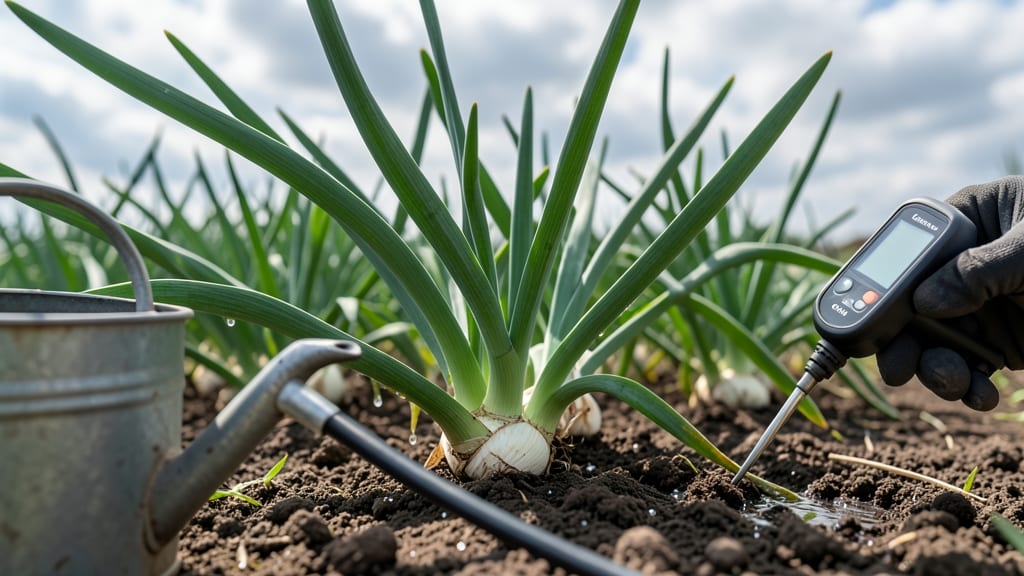
To water garlic correctly, aim for deep soaks every 7–14 days—adjusting for soil type and season is the key to plump bulbs.
Struggling to grow plump, flavorful garlic bulbs? The secret lies in mastering watering frequency—but how often should you water garlic without drowning its roots or leaving it thirsty? Too much water rots the cloves, while too little stunts growth, and neither helps you harvest that prized harvest.
Garlic thrives when the soil stays consistently moist but never soggy, which means checking moisture levels before watering. Sandy soils dry faster and need more frequent watering, while clay holds moisture longer and requires less.
The soil test method—sticking your finger an inch deep—reveals when it’s time to hydrate.
In this guide, you’ll learn how to balance watering for each growth stage, spot warning signs like yellowing leaves or mold, and adjust for winter dormancy. By the end, you’ll know exactly when to water garlic for the healthiest bulbs in your garden.
The ideal watering schedule for garlic based on soil type
Garlic thrives on consistent moisture but despises soggy roots—soil type dictates the perfect watering rhythm. Clay soil holds water like a sponge, while sandy soil drains faster than a sieve.
Even loamy soil, the gardener’s gold standard, needs seasonal tweaks. Let’s break down how often to water garlic for each soil type, plus the finger test to avoid guesswork.
Your garlic’s watering needs shift with the seasons. In spring and fall, aim for 1 inch of water weekly, but reduce to every 10-14 days in summer unless your soil is sandy.
Winter? Almost no water—just enough to keep soil from cracking. The key is deep, infrequent watering to encourage strong bulb development.
Here’s your soil-specific watering guide, including the finger test depth to check moisture before watering:
| Soil Type | Watering Frequency | Finger Test Depth | Seasonal Adjustments |
|---|---|---|---|
| Clay | Every 10-14 days | 2-3 inches dry | Reduce in winter; mulch to prevent cracking |
| Sandy | Every 5-7 days | 1 inch dry | Increase in summer; use drip irrigation |
| Loamy | Every 7-10 days | 1.5-2 inches dry | Balanced year-round; ideal for beginners |
| Rocky | Every 5-8 days | 1 inch dry | Add organic matter; water at soil level |
For clay soil, I’ve learned to water less often but deeply—think of it as giving your garlic a long drink instead of a quick sip. The finger test at 2-3 inches deep tells me when to hold off.
If the soil feels damp, wait another day. Sandy soil, on the other hand, drains so quickly that I set a reminder to water every 5-7 days, especially in summer’s heat.
Loamy soil is the easiest to manage—it’s forgiving and holds moisture just right. I water every 7-10 days and rarely worry about over- or under-watering.
If you’re unsure about your soil type, grab a handful and squeeze it: if it forms a tight ball that doesn’t crumble, it’s clay; if it falls apart like sand, you’ve got sandy soil. Rocky soil needs extra attention—amend it with compost and water at the soil’s surface to avoid washing away nutrients.
Seasonal shifts matter too. In spring and fall, garlic needs steady moisture to form bulbs, but in summer’s heat, sandy soils may need daily checks. I’ve seen garlic leaves yellow and wilt when thirsty or mushy and moldy when overwatered—both are red flags.
Mulching with straw helps retain moisture in clay while preventing evaporation in sandy soils.
Pro tip: Water in the early morning to let foliage dry before nightfall, reducing fungal risks. Avoid wetting leaves, which can invite garlic rot. If your soil is compacted, aerate it yearly to improve water penetration.
For container-grown garlic, check soil moisture daily—pots dry out faster than garden beds.
Remember, garlic is drought-tolerant but not drought-proof. If you miss a watering, don’t panic—just adjust next time. The goal is consistent moisture, not perfection. With this schedule, you’ll grow bulbs so plump, they’ll make your neighbors jealous.
🌱
Signs your garlic needs water (and when to hold back)
Garlic thrives with consistent moisture but despises soggy roots. Learning to read your plants' signals helps you strike the perfect balance—neither drowning nor dehydrating them. The key lies in observing leaf color, soil texture, and even the smell of your garden bed.
I’ve seen garlic plants wilt from thirst one week and develop fungal rot the next—both from watering mistakes.
Start by checking the top inch of soil with your finger. If it feels dry, it’s time to water. But watch for yellowing leaves or wilted foliage, which often signal underwatering.
Conversely, dark brown spots or a musty soil smell mean you’re overdoing it. Each growth stage—from sprouting to bulb formation—demands slightly different care, and ignoring these cues can ruin your harvest.
⚠️ How Often to Water Garlic?
Early Growth (Sprouting): Water every 5-7 days—soil should stay moist but not soggy. Bulb Formation: Reduce to every 10-14 days; let topsoil dry slightly between waterings. Harvest Time: Cut back to bi-weekly to harden bulbs. Always water deeply in the morning to prevent fungal diseases.
Your garlic’s leaves are the first clue. Healthy green leaves mean your watering is spot-on, while yellowing tips or curling edges often point to underwatering. But here’s the trick: if the lower leaves yellow first, it’s natural aging.
If the entire plant wilts by midday, it’s thirsty. Pay attention to the color gradient—healthy garlic leaves stay vibrant from base to tip.
Don’t ignore the soil’s condition. Press your finger 2 inches deep—if the soil clumps together but isn’t sticky, your garlic is happy. If it crumbles like dust, it’s time to water. A musty or rotten smell when you dig in?
That’s a red flag for overwatering. I once lost a batch of garlic to white rot because I ignored the foul odor—don’t make the same mistake.
Adjust your watering as the bulbs mature. During active growth (spring to early summer), garlic drinks more. But once the lower leaves brown (around 6-8 weeks before harvest), reduce water to harden the bulbs.
Overwatering now leads to soft, pithy cloves that store poorly. Think of it like training for a marathon—tapering off water helps your garlic finish strong.
Seasonal shifts matter too. In hot, dry summers, you may need to water every 5 days, while cool springs or falls might only need weekly waterings. Mulch with straw or grass clippings to lock in moisture and keep roots cool.
I’ve found that a 2-inch mulch layer cuts my watering needs by nearly 30%—and it also suppresses weeds.
Remember, garlic is drought-tolerant once established, but that doesn’t mean neglect it. A quick soil check twice a week saves more plants than guesswork. The goal is consistent moisture, not a swampy bed. Master these signs, and you’ll grow plump, flavorful bulbs every season. 🌱