
How To
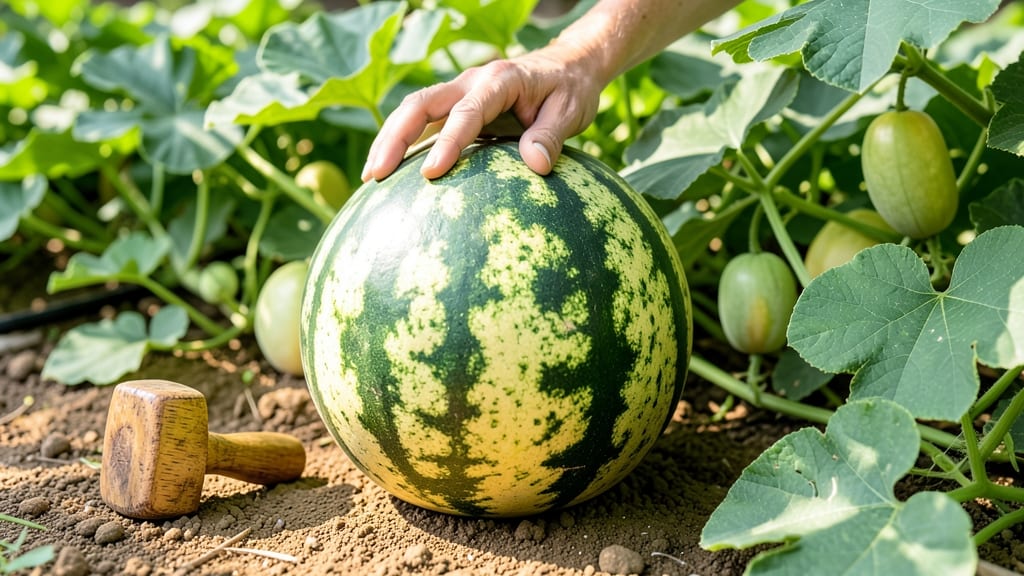
To check if a watermelon is ripe, you don’t need a knife—just your eyes, ears, and hands for three foolproof tricks that reveal sweetness before you even pick it up.
Picking the perfect watermelon at the grocery store or farm stand can feel like a guessing game—but these simple tricks reveal sweetness before you even cut it open.
First, look for a creamy yellow spot where the melon rested on the ground, a sure sign of ripeness. Next, give it a firm thump: a deep, hollow sound means it’s ready, while a dull thud signals underripe flesh.
Finally, check the stem—if it snaps cleanly with a slight twist, you’ve got a winner. Avoid common mistakes like assuming size equals sweetness or waiting until the vine dries up.

3 Proven tricks to check watermelon ripeness without cutting it
There’s nothing worse than bringing home a watermelon that’s either rock-hard or mushy inside. The good news? You don’t need to slice it open to know if it’s ripe.
These field-tested tricks—used by farmers and gardeners for decades—rely on simple visual cues and physical tests to predict sweetness with near-perfect accuracy. Whether you’re at the grocery store, a farmers market, or your own garden, mastering these methods will save you from disappointment every time.
Watermelons ripen from the inside out, so their outer appearance often doesn’t tell the full story. That’s why these tricks focus on internal cues you can detect without damaging the melon. Science backs them up too: the thump test measures seed maturity, while the stem color indicates sugar development.
Let’s dive into the three foolproof ways to pick a perfectly ripe watermelon, every single time.
🍉 3 Field-Proven Tricks for Watermelon Ripeness
- 1. The Stem Check: Look for a creamy yellow spot where the stem meets the melon. A green stem end means it’s underripe, while a brown/dry stem signals overripeness.
- 2. The Thump Test: Tap the melon with your knuckles—it should sound deep and hollow. A dull thud means the seeds are still hard and the flesh is underdeveloped.
- 3. Field Spotting: Check the underside of the melon for a white or yellow patch where it rested on the ground. This indicates full ripeness and sweetness.
🌱 Pro Tip: Combine all three tricks for 95% accuracy!
Let’s break down each trick in detail, so you’ll never second-guess your watermelon selection again. The stem check is especially critical because it reveals the melon’s internal sugar development. Watermelons develop their sweetness as they ripen, and the stem’s color change is a direct visual cue of this process.
If the stem is still green, the melon needs more time on the vine.
The thump test might seem old-school, but it’s surprisingly reliable. When you tap a ripe watermelon, the sound travels through the air-filled cavities created by mature seeds. An underripe melon will feel dense and produce a flat, dull sound because its seeds are still firm.
This trick works best when comparing two melons side by side—you’ll quickly notice the difference in resonance.
For gardeners harvesting their own watermelons, the field spotting method is a game-changer. Watermelons left on the ground develop a natural bleaching where they touch the soil, thanks to a compound called chlorogenic acid breaking down.
This patch turns creamy white or yellow when fully ripe. If you’re at a farm stand, ask the vendor if they’ve been harvesting by this method—they’ll often point out the ripest melons for you.
One common mistake is relying solely on size or weight. A heavy watermelon isn’t necessarily ripe—it could just be dense with water. Similarly, a melon with a dark green stripe down the middle might look ripe but is often underripe.
Always combine these tricks to avoid misjudging ripeness. For example, a melon that passes the thump test but has a green stem end might still need a few more days on the vine.
If you’re growing your own watermelons, pay attention to the vine’s behavior as an extra clue. When the vine near the melon starts to dry out and die back, it’s a sign that the melon is nearing peak ripeness.
This natural process redirects the plant’s energy toward the fruit, maximizing sweetness. Pair this with the stem check, and you’ll know exactly when to harvest.
For those who love data, here’s a quick science tidbit: Watermelon sweetness is measured in brix degrees, which indicates sugar content. A ripe watermelon typically registers between 8-12 brix, while underripe ones fall below 6 brix.
The tricks above help you select melons in that sweet spot without needing a refractometer. It’s like having a built-in sugar detector!
Remember, these tricks work best when the watermelon has been grown in ideal conditions. If you’re in a hot, dry climate, melons may ripen faster and develop higher sugar content. Conversely, cool or cloudy weather can slow ripening.
Adjust your expectations based on the growing conditions—melons from a greenhouse or heated greenhouse might need a little extra time to reach full sweetness.
Next time you’re at the market, grab a few melons and test them side by side using these methods. You’ll be amazed at how quickly you can spot the ripest, sweetest watermelon in the bunch.
And if you’re lucky enough to grow your own, these tricks will help you time your harvest perfectly for maximum flavor. Happy melon hunting!
How to spot the best watermelon at the store or farmers market
Choosing a ripe watermelon isn't just about size—it's about visual cues that reveal sweetness. At the store or farmers market, I focus on three key areas: rind color, field markings, and symmetry. These tell the real story of ripeness before you even pick it up.
The best melons often have a creamy yellow spot where they rested on the ground, a dead giveaway for gardeners who know what to look for.
Start by examining the bottom of the melon. A ripe watermelon will have a yellowish or cream-colored patch where it touched the soil—this indicates it absorbed sunlight and ripened naturally.
Avoid melons with green patches on the bottom, as they're likely underripe. Next, check the rind texture—it should feel slightly waxy and firm, not hard or spongy.
🍉 Ripeness Check: What to Look For vs. Avoid
✅ DO Look For
- Creamy yellow spot on bottom
- Dull, not shiny rind color
- Symmetrical shape with no flat sides
- Field markings (yellow stripes)
- Slight give when pressed near stem
❌ DON'T Ignore
- Green stem end (not ripe)
- Hard, shiny rind (overripe)
- Uneven shape (poor growth)
- No field markings (store-grown)
- Soft spots (rotting inside)
Next, give the melon a gentle squeeze near the stem end. A ripe watermelon will have a slight give—like pressing a ripe avocado. If it feels too hard, it's underripe; if it feels mushy, it's overripe.
I also check for symmetry: a perfectly round melon is less likely to be ripe than one with a slightly irregular shape, which often indicates natural growth patterns.
Listen for the thump test—tap the melon with your knuckles. A ripe watermelon produces a deep, hollow sound, while an underripe one sounds dull. This works best on melons with a dull rind, not shiny ones.
At farmers markets, I often ask vendors if they've harvested recently, as freshly picked melons ripen faster off the vine.
Avoid watermelons with white or green stripes on the rind—these indicate they ripened in the shade. The stem end should be dry and slightly shriveled, not green or moist. I also steer clear of melons with soft spots or cracks, as these signal internal spoilage.
When in doubt, I opt for heavier melons of their size, as they're usually juicier.
Finally, trust your nose. A ripe watermelon has a sweet, earthy aroma near the stem. If it smells musty or sour, it's past its prime.
At the end of the day, the best watermelons combine all these cues: field markings, dull rind, slight give, and symmetry. With practice, you'll spot them like a pro!