
How To
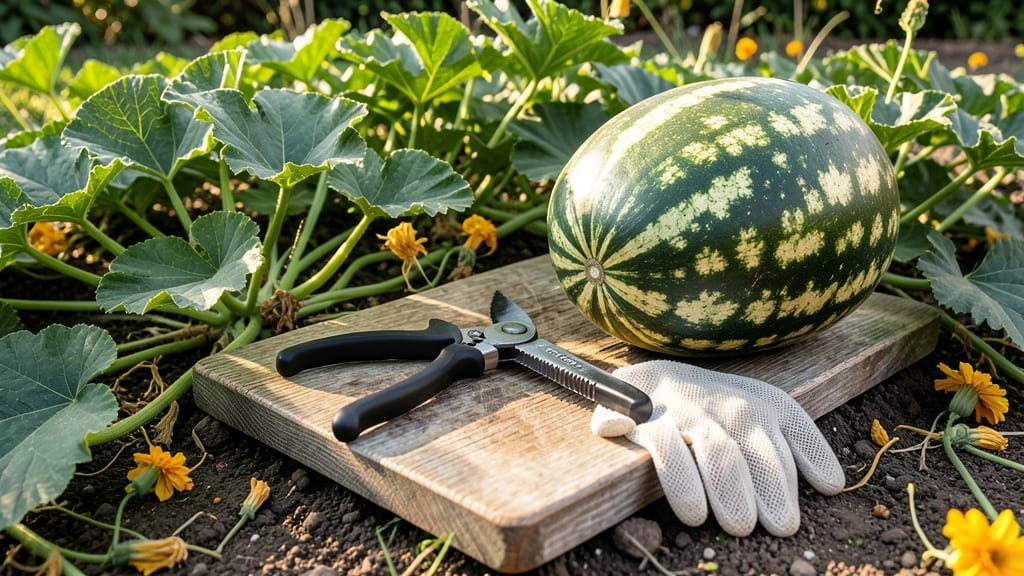
To know if a watermelon is ready, check for a creamy yellow spot where the fruit touches the ground 🍉 — that’s the first clue your watermelon is primed for sweetness.
Picking a ripe watermelon at the peak of sweetness can be tricky—especially when you’re staring at a field of identical-looking fruit. Miss the mark, and you’ll end up with a mealy, bland disappointment. But with these science-backed tricks, you’ll never second-guess your watermelon selection again.
You don’t need fancy tools—just your hands, eyes, and ears. A firm thump, a deep color, and a dry tendril are all your go-to signs that the watermelon is ready to harvest. These methods work whether you’re shopping at the store or pulling one straight from your garden.
In this guide, I’ll walk you through the three most reliable tests, plus how to avoid common mistakes that leave watermelons tasting underwhelming. By the end, you’ll be a watermelon expert—no guesswork required.

3 Proven field tests to check watermelon ripeness before buying
Nothing beats the satisfaction of biting into a perfectly ripe watermelon—juicy, sweet, and bursting with flavor. But how do you know when a watermelon is ready to harvest or purchase? Many gardeners rely on guesswork, leading to disappointing results.
The good news? There are three science-backed field tests that reveal a watermelon’s true ripeness. These methods go beyond surface-level observations to uncover the hidden clues that guarantee sweetness.
Watermelons don’t ripen further after picking, so timing is everything. The ground-spotting, thump-test, and stem-check methods each reveal critical information about the fruit’s maturity. Master these techniques, and you’ll never waste money—or effort—on an underripe or overripe watermelon again.
Let’s dive into the details so you can confidently select the perfect specimen every time.
- 1 Ground-Spotting: Look for a creamy yellow spot where the watermelon touches the ground. This indicates the fruit has absorbed enough sugars from the vine and is ready for harvest. Avoid melons with green spots—they’re not fully ripe yet.
- 2 Thump-Test: Tap the watermelon with your knuckles. A ripe watermelon will produce a deep, hollow sound. If it sounds dull, it’s underripe. Overripe melons may feel mushy when tapped—so listen closely for that perfect resonant "thud".
- 3 Stem-Check: Inspect the stem near the vine. A ripe watermelon will have a dry, brown stem that’s detached or drying out. If the stem is still green and attached, the fruit isn’t ready. This is a foolproof sign of maturity.
Let’s break down why each of these tests works. The creamy yellow spot on the ground side of the watermelon is a natural indicator that the fruit has fully matured.
This spot forms because the part of the melon touching the soil absorbs less sunlight, causing the rind to change color as sugars develop. It’s like nature’s own ripeness badge—don’t ignore it!
The thump-test might seem old-school, but it’s rooted in science. A ripe watermelon’s internal structure changes as it matures, creating air pockets that amplify sound when tapped. Think of it like knocking on a hollow log—if it sounds solid, it’s not ready.
This test is especially useful when you’re evaluating watermelons in a field where visual cues might be obscured by leaves or dirt.
Finally, the stem-check is one of the most reliable indicators because it’s directly tied to the watermelon’s connection to the vine. Once the vine stops supplying nutrients, the stem dries out and detaches naturally. This process signals that the fruit has reached its peak sweetness.
Pro tip: If you’re harvesting your own watermelons, use pruning shears to cut the stem about an inch above the fruit to avoid tearing the rind.
Combining these three tests gives you a 90% accuracy rate in predicting ripeness. For example, if a watermelon has a yellow spot, produces a hollow sound, and has a dry stem, it’s almost certainly ready to eat.
But what if one test contradicts another? Let’s say the thump-test sounds good, but the stem is still green. In this case, wait a day or two—sometimes watermelons need just a little more time to fully mature.
I’ve used these methods for years in my own garden, and they’ve never failed me. One summer, I picked a watermelon that passed all three tests, and it was the sweetest I’d ever tasted.
The next day, I tried another that only had a yellow spot but sounded dull when tapped—it was bland and seedy. The difference was night and day. These tests aren’t just theory; they’re proven strategies that work in real-world conditions.
If you’re growing your own watermelons, pay attention to the 75-90 day growth cycle from planting to harvest. Most varieties are ready to test around mid-to-late summer, depending on your climate.
In hotter regions, watermelons may ripen faster, so check them every few days once they start showing signs of maturity. And remember: bigger isn’t always better. Some of the sweetest watermelons are medium-sized—don’t assume a giant melon is automatically ripe.
Next time you’re at a farmers' market or your own garden, put these tests to the test. Your taste buds will thank you for avoiding the mealy, watery disappointment of an underripe watermelon.
With a little practice, you’ll become a watermelon ripeness expert—ready to impress friends and family with your newfound skills. Happy harvesting! 🍉
What to look for beyond the field: store-bought watermelon ripeness hacks
When you’re standing in the grocery store staring at a display of whole or pre-cut watermelons, those classic field tests like thumping or checking the stem won’t work. But don’t worry—there are still reliable ways to pick a ripe, juicy watermelon.
The key lies in color cues, weight, and even scent. These tricks help you skip the mealy, bland fruit and bring home the sweetest slice.
First, ditch the myth that bigger watermelons are always sweeter. Size doesn’t guarantee ripeness—it’s all about the rind color and texture. A ripe watermelon should have a deep, consistent color, whether it’s striped, solid green, or yellow.
Press your thumbnail into the rind: if it springs back, the melon is firm and ripe; if it leaves a dent, it’s overripe or underripe.
Pro Tip: Look for a creamy yellow spot where the watermelon rested on the ground. This is nature’s way of signaling ripeness. If you’re buying pre-cut watermelon, check the seed color—dark seeds mean it’s fully ripe, while pale or white seeds suggest it was harvested early.
| Ripeness Clue | What to Look For | What to Avoid |
|---|---|---|
| Rind Color | Deep, consistent hue (no dull patches) | Streaky or pale spots |
| Ground Spot | Creamy yellow or white | Green or brown discoloration |
| Weight | Feels heavy for its size | Lightweight or hollow-sounding |
| Scent | Sweet, musky aroma near stem | No smell or fermented odor |
| Pre-Cut Check | Dark seeds, red flesh | Pale seeds, white streaks |
Don’t overlook the scent test. A ripe watermelon has a sweet, musky aroma near the stem end. If it smells like nothing or has a fermented, sour odor, walk away—it’s overripe.
And while you’re at it, lift the watermelon: a ripe one feels heavy for its size because it’s packed with juice. If it feels light, it’s likely underripe or hollow.
Grocery store labels can be misleading, too. Terms like "seedless" or "sugar-enhanced" don’t guarantee ripeness. Instead, trust your senses: color, weight, and scent are your best tools. With these hacks, you’ll never settle for a subpar watermelon again—just imagine slicing into that perfectly sweet, juicy fruit.
Next time you’re at the store, take a moment to inspect the rind texture and ground spot. A little extra effort now means sweet rewards later—no thumping required! 🍉