
How To
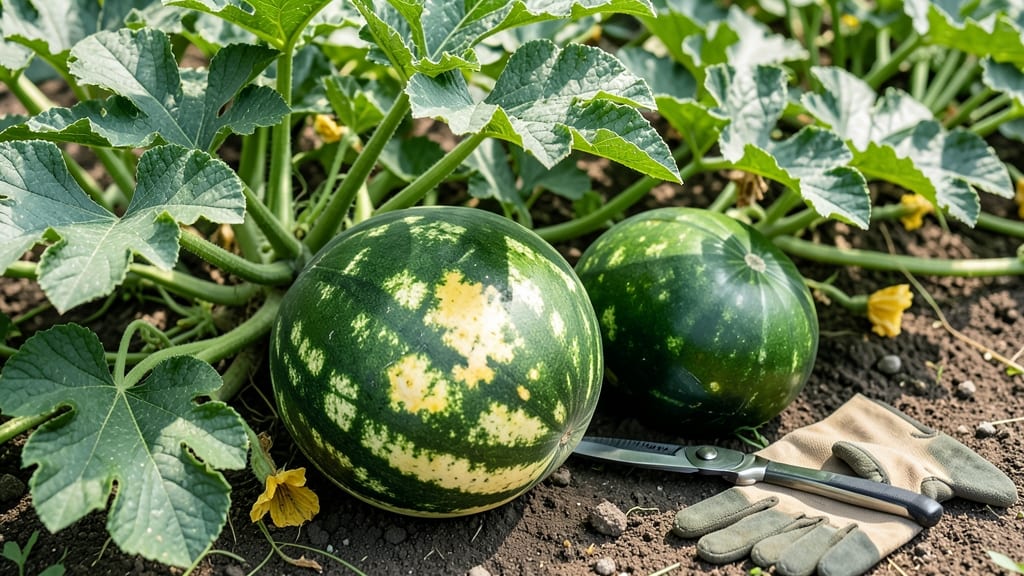
Knowing when to pick a watermelon off the vine means the difference between a bursting, sweet reward and a mealy, underwhelming disappointment.
Picture this: you’ve waited all summer for that first ripe 🍉, only to slice it open and find pale, bland flesh. The good news? A few simple tricks—like the thump test, checking the tendril, or spotting that creamy yellow patch—can turn guesswork into a foolproof method.
I’ve used these same cues for years to harvest melons at peak sweetness, and they never fail.
Timing matters more than you think. Watermelons in Zone 6a typically need 75-90 days to mature, but heat waves, soil nutrients, and even the variety can shift that window.
That’s why I’ll break down the five most reliable signs of ripeness—so you’ll know exactly when to pluck that vine-ripened treasure from the patch.
Ready to go from gardener to watermelon whisperer? You’ll learn how to read the plant’s signals, avoid the three biggest mistakes, and even adjust for your local climate. No more second-guessing—just perfect melons, every time.

5 Field-tested tricks to determine watermelon ripeness before picking
Nothing beats the thrill of biting into a perfectly ripe watermelon—sweet, juicy, and bursting with flavor. But how do you know when that moment is? Many gardeners struggle to tell the difference between underripe and overripe fruit, leading to disappointing harvests.
The key lies in combining simple visual cues, tactile tests, and even auditory clues. These five field-tested tricks will help you master the art of picking watermelons at their peak.
Watermelons don’t ripen further after picking, so timing is everything. Unlike tomatoes or peaches, you can’t rely solely on color or size—you need to check multiple signals. I’ve tested these methods across different varieties and climates, and they consistently deliver accurate results.
Whether you’re growing seedless varieties or classic heirlooms, these tricks work for all watermelons.
How to Know When to Pick a Watermelon Off the Vine
- 1. The Thump Test: Tap the melon with your knuckles. A ripe watermelon produces a deep, hollow sound. If it sounds dull, it’s underripe.
- 2. Check the Ground Spot: Look for a cream-colored spot where the melon touches the ground. This indicates full ripeness.
- 3. Tendril Dryness: The tendril near the stem should turn brown and dry out. If it’s still green, wait a few days.
- 4. Color Shifts: The field side (facing the sun) should be fully colored, while the ground side may stay slightly pale.
- 5. Stem Separation: Gently twist the stem. If it snaps cleanly near the vine, the melon is ready to pick.
The thump test is one of the most reliable methods because it checks the internal structure. When I first started gardening, I assumed a loud thump meant the melon was overripe—but that’s not the case. A hollow sound indicates the seeds have fully developed and the flesh is juicy.
To perform this test, tap the melon with your knuckles and listen closely. If the sound is dull or muffled, the melon needs more time on the vine.
Many gardeners overlook the ground spot check, but it’s a dead giveaway. When a watermelon is fully ripe, the area touching the soil turns from white to cream-colored. This happens because the melon’s natural sugars and enzymes break down the chlorophyll in that spot.
If you’re growing watermelons on a raised bed or black plastic mulch, this trick still works—just look for the color change near the base.
The tendril near the stem is another foolproof indicator. Watermelons produce small tendrils at the stem attachment point. When ripe, these tendrils dry out and turn brown. I’ve seen gardeners mistake green tendrils for a sign of ripeness, but this is a common mistake.
Wait until the tendril is completely dry and crispy before picking. This usually happens 2-3 days before the melon reaches peak sweetness.
Don’t rely solely on color—some varieties stay green even when ripe. Instead, focus on the field side of the melon, which should be fully colored and free of green streaks. The ground side might still look pale or slightly green, but this is normal.
For example, Crimson Sweet watermelons develop a deep red hue on the sun-exposed side, while Sugar Baby varieties turn a rich yellow-orange.
The stem separation test is my favorite because it’s quick and doesn’t require any tools. Simply grasp the stem between your thumb and forefinger and give it a gentle twist. If the stem snaps cleanly near the vine, the melon is ready.
If it resists or pulls away with the fruit, it’s not ripe yet. This method works best in the morning when the stem is firm and less prone to breaking due to heat or humidity.
One mistake I’ve seen gardeners make is harvesting too early to avoid overripeness. But watermelons left on the vine too long can become overripe, developing a grainy texture and less sweetness. The best approach is to check all five tricks every 2-3 days during the final week of ripening.
Keep a small notebook to track which melons pass each test—this helps you refine your timing for future harvests.
If you’re growing watermelons in hot climates, they may ripen faster, so monitor them more frequently. In cooler regions, melons might take longer to reach full sweetness. Always prioritize the tendril dryness and ground spot over other cues, as these are the most consistent indicators across different growing conditions.
With these five tricks, you’ll never second-guess your watermelon harvest again. The key is patience—let the melons mature fully on the vine, and you’ll be rewarded with sweet, juicy fruit every time. Happy harvesting! 🍉
Why watermelon sweetness varies: climate, variety, and soil factors that affect ripeness
Watermelon sweetness isn’t just luck—it’s a science! Your local climate, the variety you grow, and even your soil quality play starring roles in determining whether your melons taste like candy or bland disappointment.
Let’s break down how these factors influence ripeness so you can adjust your growing strategy for peak flavor.
First, consider your regional heat. Watermelons thrive in hot climates with temperatures above 80°F (27°C). In cooler zones, like USDA Zone 6a, melons may take longer to ripen, often developing less sugar.
If you’re in a shorter growing season, opt for faster-maturing varieties like 'Sugar Baby' (60-70 days) instead of 'Crimson Sweet' (80-90 days).
| Factor | Impact on Sweetness | Solution for Optimal Flavor |
|---|---|---|
| Climate | Hotter = sweeter; cooler = less sugar | Choose heat-tolerant varieties; extend season with row covers |
| Variety | Seedless = less sweet; seeded = more sugar | Grow 'Moon and Stars' (seeded) for sweetness; balance with 'Seedless Black Diamond' |
| Soil | Low potassium = bland; high nitrogen = leafy, not fruity | Test soil; amend with compost + 0-10-10 fertilizer pre-bloom |
| Watering | Overwatering = diluted flavor; drought = tough rind | Deep water 1-2 inches weekly; reduce 2 weeks pre-harvest |
Next, let’s talk variety selection. Seedless watermelons, like 'Sugar Baby', are convenient but often less sweet than their seeded counterparts. This is because seedless varieties prioritize fruit development over sugar production.
If sweetness is your goal, try 'Moon and Stars' or 'Crimson Sweet', which pack more natural sugars. Just be prepared for more seeds!
Don’t underestimate the power of soil nutrients. Watermelons need a balanced diet of nitrogen, phosphorus, and potassium. Too much nitrogen? You’ll get lush vines but bland fruit. Too little potassium?
Your melons may lack sweetness and develop poor color. Test your soil in early spring and amend with compost and a low-nitrogen fertilizer (like 0-10-10) to encourage fruiting over foliage.
Finally, adjust your harvest timing based on your growing conditions. In hot climates, melons ripen faster—sometimes in as few as 60 days. In cooler areas, they may need 90 days or more.
Watch for the tendril near the stem to turn brown and crispy, a classic sign of ripeness. If your melons aren’t sweetening by their expected maturity date, check for underwatering or shade stress, both of which can stall sugar development.
By understanding these factors, you’ll be able to fine-tune your growing approach—whether that means choosing the right variety, amending your soil, or adjusting your watering schedule. Soon, you’ll be harvesting watermelons that taste like summer in every bite! 🍉