
Watering
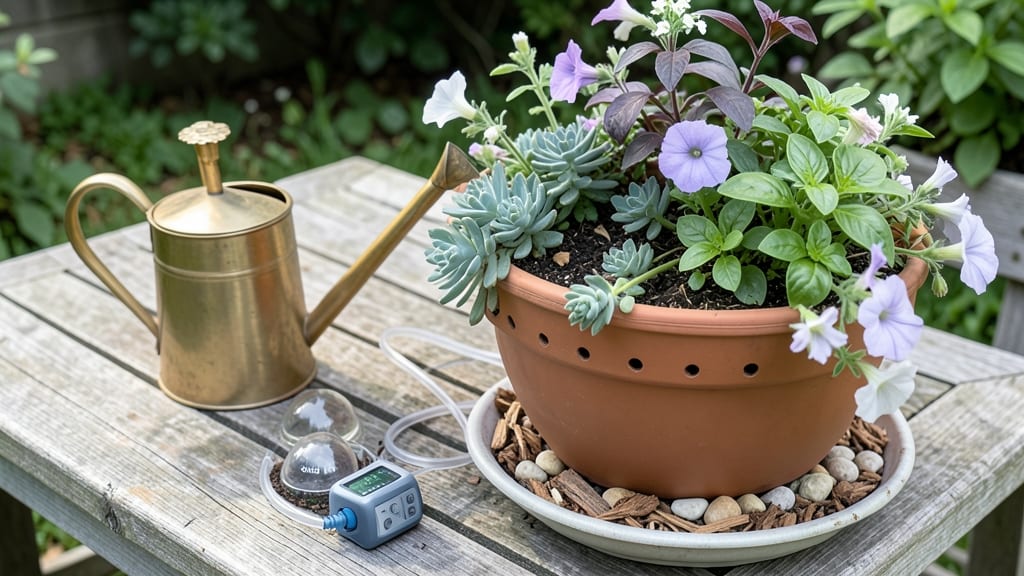
To water your garden while away, you’ll need a mix of smart systems and simple tricks that keep your plants hydrated without overdoing it.
Picture this: you return from vacation to find drooping plants and thirsty soil, all because a few days without water turned into a full-blown crisis. The good news? With the right approach, your garden can stay lush and alive even when you’re not there to tend to it.
From low-tech solutions like water-filled containers to high-tech drip irrigation, there’s a method for every budget and garden size. Whether you’re away for a weekend or a month, these strategies ensure your plants get just the right amount of moisture—no guesswork required.
Below, I’ll break down the best self-watering systems, DIY hacks, and pro tips to keep your garden thriving while you’re gone—so you can relax without worrying about wilted leaves.
Best self-watering systems for extended garden travel
When you're planning a vacation, the last thing you want to worry about is whether your tomatoes or herbs will survive without you. The good news? Modern self-watering systems can handle the job while you're away.
These solutions range from passive wicking beds to smart irrigation controllers, each with unique benefits depending on your garden size and plant types.
For small container gardens, a simple clay pot watering system might suffice, while larger in-ground plots may need a more robust drip irrigation setup. Let’s break down the best options, their costs, and how to choose the right one for your needs.
If you have a large vegetable garden, a drip irrigation system is often the best choice. These systems deliver water directly to the root zone, reducing waste and ensuring even hydration. For smaller spaces or container gardens, wicking beds or self-watering pots are simpler and more cost-effective.
For those who love technology, smart timers like the Orbit B-Hyve or Rachio offer remote control via your phone. You can adjust watering schedules based on weather forecasts or trip length, making them ideal for long vacations or unpredictable climates.
One of my favorite low-tech options is the Olla pot, a traditional clay pot with a small hole. Fill it with water, and it slowly releases moisture into the soil—perfect for drought-tolerant plants like rosemary or thyme. It’s a $10 solution that requires zero electricity and minimal setup.
Before choosing a system, consider your garden’s size, plant types
DIY self-watering hacks for small gardens and potted plants
When I'm traveling, my herbs and potted plants don't get a vacation pass—they still need water! The good news? You don’t need expensive gadgets to keep them hydrated. Simple, budget-friendly hacks using items you already own can extend water retention for days.
These solutions work perfectly for container gardens, succulents, and even vegetable plants like basil or lettuce.
Forget about overcomplicating things—some of the best self-watering tricks rely on passive watering principles. Whether you’re gone for a weekend trip or a two-week vacation, these methods will keep your plants thriving without the risk of root rot or drought stress.
Let’s dive into my favorite no-fuss, no-tech solutions that save money and save your plants!
3 Easy DIY Self-Watering Systems
- 🪴 Clay Pot Watering Globes
Fill a small clay pot with water, invert it into a larger pot of soil, and let it wick moisture to your plant’s roots. Perfect for herbs and small potted plants. - 💧 Wicking System with Towels
Place a towel or burlap strip between two pots—one filled with water and the other with soil. The fabric absorbs and releases moisture as needed, ideal for succulents or drought-tolerant plants. - 🥫 Repurposed Plastic Bottles
Cut the bottom off a plastic bottle, flip it into the soil, and fill it with water. The bottle’s neck regulates the flow, keeping roots moist for up to 5-7 days.
If you’re dealing with herbs like basil or leafy greens, the clay pot method is my go-to. These unglazed pots release water through their porous surfaces, creating a slow, steady supply. For succulents, the wicking system works wonders—it mimics their natural desert environment while preventing overwatering.
And for larger containers, plastic bottles are a lifesaver—they’re reusable and can be adjusted for different watering needs.
Don’t overlook the power of mulching either! A thick layer of mulch around your pots or garden beds helps retain moisture and reduces evaporation. Use organic materials like straw, wood chips, or even shredded leaves.
This extra step can extend the life of your watering system by 2-3 days, giving your plants a better chance to survive your absence.
For vegetable plants like tomatoes or peppers, combine these methods for maximum effectiveness. Place a water-filled bottle in the center of the pot and top it with mulch. This setup ensures the roots stay hydrated while protecting the soil from drying out too quickly.
Always test your system a few days before your trip to make sure it’s working as expected—prevention is key!
Remember, overwatering is just as harmful as underwatering. Adjust your watering system based on your climate and plant type. In hot, dry weather, you may need to increase water capacity, while cooler conditions might require less.
With these simple hacks, you’ll return to a garden that’s still standing tall and proud—no wilting in sight! 🌱