
Watering
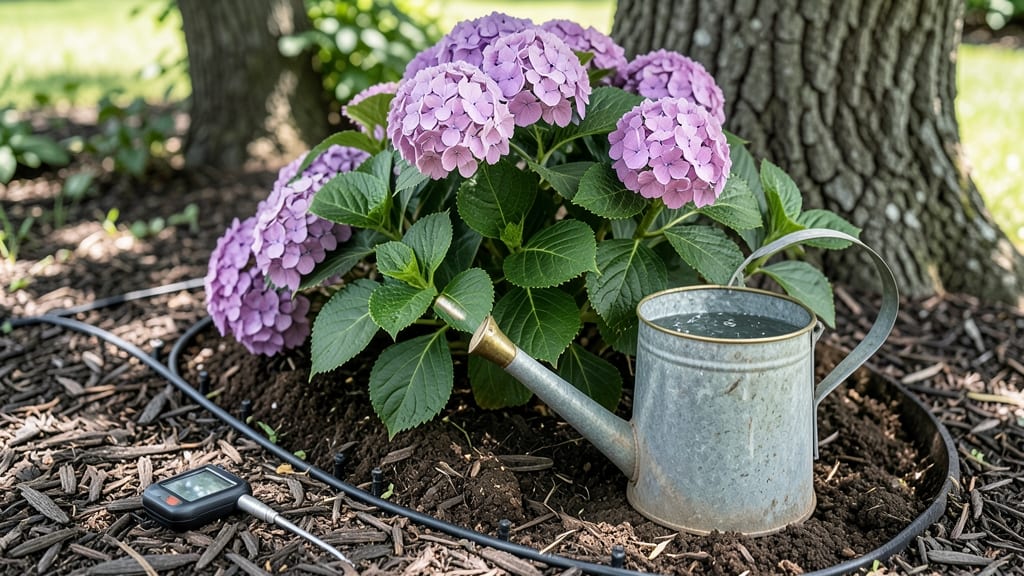
A hydrangea watering schedule is the key to keeping your 🌸 thriving with bold blooms and lush foliage—because even the hardiest plants need the right balance of moisture.
Struggling to keep your hydrangeas blooming as vividly as last summer? The secret isn’t just in the soil—it’s in mastering a precise watering routine that adapts to every season.
Too much water drowns roots, while too little stresses the plant, both of which can turn your showstopping shrubs into wilted shadows. But get it right, and you’ll unlock those showstopping flowers year after year.
Below, I’ll break down the ideal watering frequency, how to adjust for heat waves and drought, and even how soil type affects hydration—so you can keep your hydrangeas happy without guesswork.
Seasonal hydrangea watering schedule: month-by-month deep dive
Hydrangeas thrive when their watering routine mirrors nature’s rhythm—consistent in spring and summer, but scaled back in fall and winter. The key is deep, infrequent watering that encourages strong root growth, especially during bud formation (late spring) and peak bloom season (summer).
Even a 1-inch rainfall can satisfy their needs, but drought or extreme heat demands extra attention. Your USDA climate zone (5-9) will dictate fine-tuning: Zone 9 hydrangeas may need daily watering in August, while Zone 5 plants can survive on bi-weekly soakings.
Start by testing your soil’s moisture level with your finger: if the top 2-3 inches feel dry, it’s time to water. For container-grown hydrangeas, check daily—they dry out faster.
Mulching with 2-3 inches of organic matter (like shredded bark) retains moisture and regulates temperature, reducing your watering workload by 30-40%. Adjust your schedule monthly, and always water at soil level (not overhead) to prevent fungal diseases like powdery mildew.
| Season | USDA Zone 5 | USDA Zone 7 | USDA Zone 9 | Critical Notes |
|---|---|---|---|---|
| Spring (Mar-May) | Weekly deep soak | Every 5-6 days | Every 4-5 days | Bud formation phase—consistency is key |
| Summer (Jun-Aug) | Every 2-3 days | Daily in heatwaves | Every 1-2 days | Bloom maintenance—morning watering only |
| Fall (Sep-Nov) | Bi-weekly light soak | Every 10-14 days | Every 2 weeks | Reduce water to prep for dormancy |
| Winter (Dec-Feb) | Monthly light watering | Monthly if no snow | Skip unless drought | Dormant phase—avoid soggy soil |
Spring is all about reviving roots after winter dormancy. In March and April, water deeply every 5-7 days to encourage new growth. If your hydrangeas are newly planted, they’ll need daily watering for the first 2 weeks to establish roots.
Watch for bud swell (late April)—this signals the plant is preparing to bloom, and skipping water here can lead to bud drop. In Zone 5, a late frost might delay budding, so monitor your plants closely.
Summer demands the most attention, especially in July and August, when temperatures soar. Mature hydrangeas in Zone 9 may need daily watering during heatwaves, while Zone 7 plants can handle every other day if mulched.
The goal is to keep soil 2-3 inches moist—never soggy. Overhead watering can scorch leaves, so use a soaker hose or drip irrigation at the base. If your blooms start wilting by 10 AM, it’s a sign of underwatering.
Fall is your cue to scale back. By September, reduce watering to every 10-14 days to signal the plant to harden off for winter. In Zone 5, early frosts in October mean you can cut back to bi-weekly watering.
Avoid fertilizing now—focus on removing spent blooms and adding mulch to insulate roots. If your hydrangeas are in containers, move them to a shaded, sheltered spot and water lightly every 2 weeks.
Winter watering is minimal, but not nonexistent. In Zone 5-7, a monthly light watering prevents roots from drying out completely. If you’re in Zone 9, skip winter watering unless you’re facing a prolonged drought. Snow acts as natural insulation, so avoid disturbing mulch.
If your hydrangeas are newly planted, give them a light drink every 4 weeks to keep roots alive. Watch for shriveled leaves—this is a sign they’re thirsty, even in cold months.
Pro tip: Use a rain gauge to track precipitation. If you’ve had 1 inch of rain
Signs your hydrangeas are overwatered or underwatered (and how to fix it)
Hydrangeas are forgiving plants, but they send clear signals when their watering needs aren’t met. Yellowing leaves, drooping stems, or mushy roots often mean you’re overdoing it, while crispy edges and bud failure scream dehydration.
The key is recognizing these hydrangea stress signs early—before your bushes throw in the towel. I’ve seen even the hardiest hydrangeas collapse from watering mistakes, so let’s decode their SOS signals and fix them fast.
First, check the soil moisture by sticking your finger 2-3 inches deep. If it’s damp, you’re likely overwatering. If it’s bone-dry, your hydrangeas are thirsty. Wilting leaves in the morning? That’s a classic underwatering red flag.
But here’s the twist: overwatered hydrangeas also wilt—just later in the day when roots suffocate. The difference? Overwatered plants often have moldy soil or root rot lurking beneath the surface.
Overwatering causes root rot and fungal diseases in 7-10 days. Underwatering leads to bud drop and stunted growth within 3-5 days. Test soil before watering: poke a finger 2-3" deep—if damp, wait 2 more days. Morning watering (6-9 AM) is critical to prevent fungal risks.
Let’s tackle overwatered hydrangeas first. If your plant’s leaves are yellowing (especially the older ones) and the soil smells sour, you’ve got root rot brewing. Stop watering immediately and let the soil dry out for 3-5 days.
Then, improve drainage by adding perlite or sand to heavy clay soil. For severe cases, trim away mushy roots and repot with fresh, well-draining mix. Mulch lightly (1-2 inches) to retain moisture without suffocating roots.
Now, underwatered hydrangeas show their distress differently. Crispy leaf edges, buds that refuse to open, and leaves curling inward are classic signs. Revive them by giving a deep soak (1-2 gallons per plant) in the morning.
For the next week, water every 2-3 days until you see new growth. Mulch around the base (3 inches deep) to lock in moisture, and consider a drip irrigation system for consistent hydration during heatwaves.
One trick I swear by? The "squeeze test". Gently press a leaf—if it springs back, it’s hydrated. If it stays limp, it’s thirsty. For hydrangea bud failure, underwatering in late spring is often the culprit.
Buds need steady moisture to swell, so if they’re drying out before blooming, increase watering to every 2 days until buds open. Pro tip: Epsom salt solution (1 tbsp per gallon) can revive stressed plants by boosting magnesium.
Remember, hydrangeas hate extremes. Aim for consistently moist (not soggy) soil, and adjust based on your climate.
In USDA Zone 7, I water mine every 3-4 days in summer, while in Zone 5, I stretch it to 5-6 days. Group hydrangeas together to create a microclimate that retains moisture longer.
With these fixes, your hydrangeas will bounce back—and next season, you’ll have blooms so vibrant, your neighbors will ask for cuttings! 🌸