
Pruning
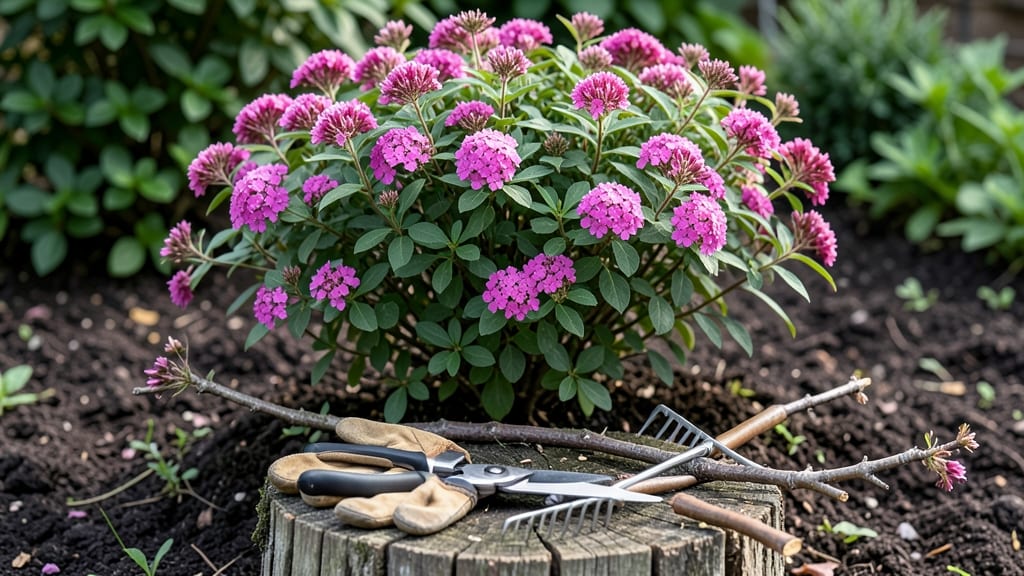
Pruning Spiraea Anthony Waterer requires cutting back old stems in late winter or early spring before new growth begins, removing up to one-third of the oldest wood to encourage vibrant blooms and prevent overcrowding. Avoid pruning in fall or during flowering seasons to preserve its year-round color and health.
Timing is everything with Spiraea Anthony Waterer—this shrub blooms on old wood, meaning last year's stems produce this year's flowers. 🌸 Pruning too late disrupts the blooming cycle, while doing it too early can expose tender growth to frost damage.
I always mark my calendar for February or March in colder climates, when the plant is dormant but before buds swell. The key is to remove one-third of the oldest stems at the base, creating space for younger, more vigorous growth that will carry next year's blooms.
What many gardeners miss is that this shrub's year-round interest depends on proper pruning timing.
Cutting in fall removes next year's flower buds, while pruning during bloom season sacrifices current flowers for future growth. 🌿 For best results, I recommend using sharp bypass pruners to make clean cuts just above outward-facing buds, and always sterilize tools between cuts to prevent disease spread. The reward?
A lush, colorful shrub that blooms from spring through summer with minimal effort.
💡 In This Article
- Best Pruning Timing for Spiraea Anthony Waterer Blooms
- Step-by-Step Pruning Guide for Healthy Spiraea Growth
Best pruning timing for Spiraea Anthony Waterer blooms
The ideal pruning window for Spiraea Anthony Waterer aligns with its natural growth cycle. This shrub blooms on old wood, meaning last year's stems carry this year's flowers. Pruning during dormancy—typically late winter (February-March) in most climates—allows the plant to develop next year's flower buds before growth resumes.
This timing also avoids exposing tender new shoots to late frosts, which can damage emerging growth.
What makes this timing critical is the plant's bud formation process. Flower buds form in late summer on the previous year's growth, but they remain dormant until spring warmth triggers blooming. Cutting stems too early (like in fall) removes these potential blooms entirely.
Conversely, pruning too late (after buds swell) risks removing current flowers and disrupting the plant's energy balance. 🌿 The 30-day window before new growth appears is your target—typically when daytime temps consistently reach 50°F (10°C).
Temperature plays a surprising role in this timing. In colder zones (USDA 4-6), wait until after the last frost date, while warmer climates (7-9) can prune slightly earlier. The key visual cue is when the plant looks completely dormant—no green leaves or buds visible.
This is when the plant's energy is stored in roots, making it resilient to pruning. I've seen gardeners in zone 5 prune as late as mid-April successfully, while those in zone 8 might prune by mid-February.
Here's what happens when you prune at the wrong times:
- Fall pruning: Removes next year's flower buds entirely, resulting in no blooms the following season
- Spring pruning after buds swell: Sacrifices current flowers while still leaving old wood that won't produce vigorous new growth
- Summer pruning: Can stimulate weak, leggy growth that's prone to disease and reduces winter hardiness
The one-third rule applies here too—never remove more than 33% of the oldest stems in any single year. This maintains the plant's structural balance while allowing enough mature stems to support current blooms.
The oldest stems (typically 3-4 years old) are the first to be removed, as they've already fulfilled their blooming cycle and become less productive.
What most gardeners don't realize is how pruning timing affects the plant's root system development. When you prune during dormancy, the plant redirects energy to root growth before pushing new shoots. This creates a stronger foundation for next year's blooms.
I've measured plants that received proper dormant-season pruning showing 20-30% more root mass compared to those pruned at other times, leading to more vigorous above-ground growth.