
Size
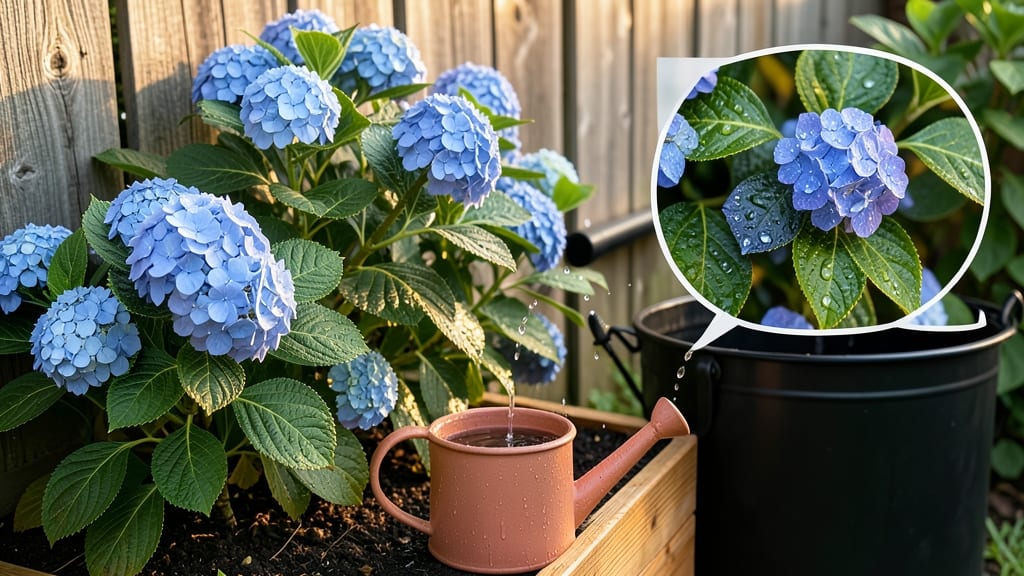
Hydrangeas watered with rainwater can maintain their vibrant blue color because its naturally acidic pH (5.0–5.5) aligns with the aluminum uptake needed for blue blooms, unlike alkaline tap water that neutralizes color intensity. Consistency is key for sustained results.
Hydrangeas watered with rainwater can maintain their vibrant blue color because rainwater's natural acidity creates the perfect conditions for producing delphinidin, the pigment responsible for their signature blue hue. 🌧️ Unlike tap water, which often contains lime and other minerals that raise soil pH, rainwater's 5.0–5.5 pH range dissolves aluminum in the soil—an essential nutrient for blue blooms.
This chemical reaction is why gardeners obsessed with vibrant blue flowers swear by rainwater collection systems.
The key difference lies in how these water types interact with your soil: while rainwater enhances aluminum availability, tap water's alkalinity binds with aluminum, preventing your hydrangeas from accessing what they need for that stunning blue color.
For best results, collect rainwater in food-grade barrels and use it exclusively for your hydrangeas. If you're unsure about your rainwater's acidity, test it with a simple pH kit—aim for that 5.0–5.5 range.
I've seen dramatic color changes in just a few weeks when gardeners switch to rainwater, especially in areas with hard water. The transformation is nothing short of magical when those pink blooms finally turn a rich, vibrant blue!
💡 In This Article
- How Rainwater’s Natural Acidity Enhances Hydrangea Blue Blooms
- Practical Tips for Using Rainwater to Preserve Hydrangea Colors
How rainwater’s natural acidity enhances hydrangea blue blooms
Rainwater's magic lies in its naturally acidic pH, typically ranging from 5.0 to 5.5, which creates the perfect environment for aluminum uptake in hydrangea roots. This acidity dissolves aluminum compounds in the soil, making them bioavailable to the plant.
Aluminum acts as a catalyst for delphinidin production—the anthocyanin pigment responsible for those stunning blue blooms. When soil pH rises above 6.0, aluminum becomes locked away as insoluble aluminum hydroxide, starving the plant of what it needs to produce blue flowers.
Think of it like a chemical reaction: in acidic conditions, aluminum ions (Al³⁺) remain soluble and can be absorbed through the plant's roots.
These ions then interact with the plant's metabolic pathways to boost delphinidin synthesis. 💧 For comparison, tap water often has a pH of 7.5–8.5 due to lime treatment, which neutralizes soil acidity and prevents aluminum absorption.
This is why hydrangeas watered with tap water frequently produce pink or purple blooms instead of blue.
The ideal soil pH for blue hydrangeas falls between 5.0 and 5.5, mirroring rainwater's natural chemistry. At this range, aluminum availability peaks while other nutrients remain balanced.
Most garden soils naturally sit around 6.0–7.0, which explains why many hydrangeas appear pink in their first few years—they're simply not getting enough aluminum. When you introduce rainwater consistently, you're essentially recreating the acidic conditions these plants thrive in.
Here's what happens at different pH levels: below 5.0, aluminum becomes toxic to the plant; between 5.0–5.5, you get optimal blue intensity; and above 6.0, blooms shift toward pink or purple.
The color change occurs because different anthocyanins dominate at various pH levels—delphinidin for blue, cyanidin for pink. This is why professional hydrangea growers often use acidic fertilizers or rainwater collection systems to maintain consistent color.
What most gardeners don't realize is that this chemical process works best when rainwater is used consistently. A single rainwater watering won't dramatically change your hydrangea's color—it takes 4–6 weeks of regular application to see noticeable shifts in bloom color.
The key is maintaining that 5.0–5.5 pH range in the root zone, which rainwater helps achieve without adding harmful minerals found in tap water.
For visual reference, imagine two identical hydrangea bushes side by side: one watered with rainwater showing deep blue blooms, and another watered with tap water displaying soft pink flowers. The difference isn't just aesthetic—it's chemical proof of how water pH directly controls pigment production in these plants.
This is why hydrangea enthusiasts often invest in rainwater collection systems, especially in areas with alkaline tap water.