
Plants
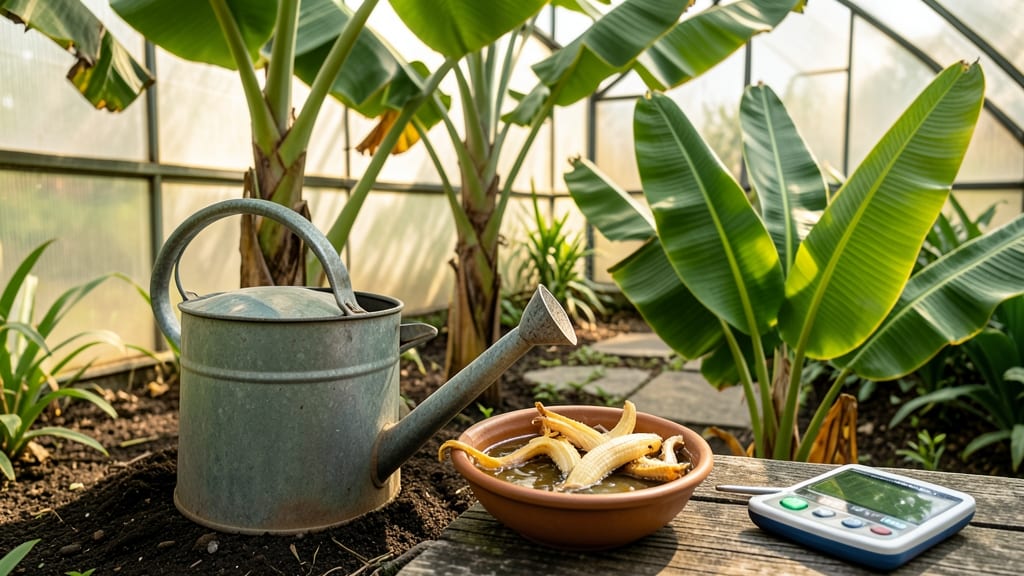
Banana water is good for plants when used carefully, offering valuable nutrients like potassium and magnesium that support strong roots and blooms—but too much can harm delicate plants due to its sugar content and potential salt buildup.
This kitchen discard isn't just compost material—it's a natural fertilizer packed with potassium and magnesium, both essential for plant growth. 🌱 The potassium helps with flower and fruit production, while magnesium boosts chlorophyll, giving leaves that rich green color.
However, the sugar content means you should always dilute it (try a 1:5 ratio) and avoid using it on plants that prefer dry conditions, like succulents.
For best results, use banana water on heavy feeders like tomatoes or peppers, but test a small area first. The sugar can also attract pests, so balance is key—think of it as a supplement, not a replacement for regular fertilizer.
My garden journal shows peppers thrived with weekly banana water treatments, but ferns wilted when I overdid it.
💡 In This Article
- Key Nutrients in Banana Water for Plant Growth
- How to Safely Use Banana Water on Different Plants
Key nutrients in banana water for plant growth
Banana water contains a powerhouse of nutrients that directly support plant health, with potassium being the star player. When bananas decompose, they release about 300-400 mg of potassium per liter of water—similar to what you'd find in a weak commercial fertilizer like 5-10-5.
This nutrient is crucial for regulating water movement in plants and activating enzymes that convert sugars into energy during photosynthesis. 🌱 Think of it as the plant's electrolyte system, helping roots absorb water efficiently and transport nutrients throughout the system.
The magnesium content, around 10-20 mg per liter, plays an equally vital role by forming the center of chlorophyll molecules. Without enough magnesium, leaves develop yellow patches between veins—a classic sign of deficiency that gardeners call "interveinal chlorosis."
Calcium is also present in smaller amounts (5-10 mg per liter), strengthening cell walls and preventing blossom-end rot in tomatoes.
What makes banana water unique is its natural form—these nutrients come bound in organic compounds that plants can absorb more easily than synthetic fertilizers, which often require microbial conversion in the soil.
Trace minerals like manganese and copper contribute to enzyme function, while the small amount of natural sugars (2-5 grams per liter) can provide quick energy for microbial activity in the soil.
However, these sugars are the double-edged sword—while beneficial in moderation, they can feed harmful bacteria or fungi if overapplied. The nutrient profile makes banana water particularly effective for fruit-bearing plants like tomatoes and peppers, which have high potassium demands during flowering and fruiting stages. 🍅
Comparing to commercial fertilizers, banana water provides a more balanced micronutrient boost without the risk of chemical burn.
A 1:5 dilution (1 part banana water to 5 parts water) delivers roughly 60 mg of potassium per liter, comparable to what you'd get from a teaspoon of Epsom salt (magnesium sulfate) but with additional benefits like calcium and trace minerals.
The key difference is the organic delivery system—plants don't get overwhelmed by sudden nutrient spikes like they might with synthetic fertilizers.
For container gardeners, this nutrient cocktail is especially valuable because potted plants often deplete soil nutrients faster. I've noticed my orchids develop stronger pseudobulbs when given diluted banana water monthly during their growing season, while herbaceous perennials show improved winter hardiness.
The secret lies in the balanced micronutrients that commercial fertilizers often lack, making banana water a free, natural supplement worth keeping in your gardening toolkit. 🌿