
Flowers
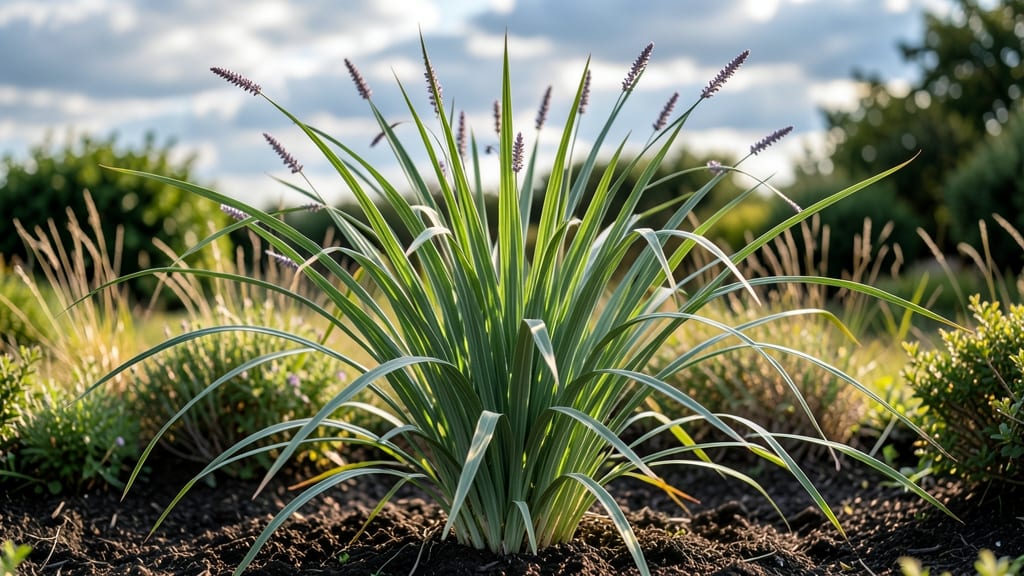
Citronella is indeed a perennial plant, meaning it dies back to the ground each winter but returns from its underground rhizomes every spring when conditions warm up.
This dieback-and-regrowth cycle is what classifies citronella as a tender perennial, thriving in frost-free climates like USDA Zones 9-11. 🌱 The rhizome system acts like a natural storage organ, preserving energy and nutrients underground until spring.
Unlike annuals that complete their lifecycle in one season, citronella's persistent root system allows it to bounce back year after year with proper care—especially in warm microclimates or protected environments.
The key to its survival lies in these underground stems: when above-ground growth yellows and dies in cold weather, the rhizomes remain dormant but alive, ready to sprout new shoots when temperatures rise.
This biological strategy explains why citronella can persist for decades in ideal conditions, making it both a practical and rewarding garden plant for those willing to adapt to its seasonal needs.
💡 In This Article
- How Citronella’s Rhizome System Ensures Yearly Regrowth
- Caring for Citronella Over Winter: Survival Tips for Cold Climates
How citronella’s rhizome system ensures yearly regrowth
Citronella’s survival strategy hinges on its rhizome system, a horizontal underground stem that stores nutrients and energy like a natural battery. When temperatures drop below 32°F, the above-ground foliage yellows and dies back, but the rhizomes remain dormant yet alive beneath the soil.
These thick, fleshy stems contain concentrated starches and sugars—up to 30% of their dry weight—which fuel regrowth when spring arrives. This process is similar to how ginger or turmeric plants regenerate, but citronella’s rhizomes are more delicate, requiring consistent moisture and warmth to thrive.
The two most common species—Cymbopogon nardus (Java citronella) and Cymbopogon winterianus (Mauritius citronella)—differ in cold tolerance. Java citronella tolerates brief dips to 28°F but suffers damage below 25°F, while Mauritius citronella is even more frost-sensitive, struggling past 30°F.
This makes both tender perennials, meaning they survive only in USDA Zones 9-11 without protection. The rhizomes’ ability to regenerate depends on this stored energy; if they dry out or freeze solid, the plant may fail to return the next season.
What makes this system fascinating is how it adapts to seasonal changes. During active growth, the rhizomes absorb sunlight through chlorophyll in the stems, supplementing photosynthesis from the leaves.
In winter, they rely entirely on stored reserves, which is why consistent soil moisture (but not waterlogging) is critical—rhizomes need hydration to prevent desiccation. This underground resilience explains why citronella can outlast annuals in the same climate, provided the rhizomes aren’t disturbed or exposed to extreme cold.
For gardeners in marginal zones (like Zone 8), the rhizome’s depth matters. Planting them 3-4 inches deep adds insulation, while mulching with 4-6 inches of straw or leaves can protect them from light frosts.
The key difference between perennials and annuals lies here: annuals have no persistent storage organs, so they must complete their entire lifecycle in one season. Citronella’s rhizomes act as a biological "reset button," allowing it to skip winter dormancy entirely in frost-free regions.
Consider this: a well-established citronella plant can produce 2-3 pounds of fresh rhizomes annually, enough to propagate new plants or share with neighbors. This rapid underground growth is why citronella spreads aggressively in ideal conditions—its rhizomes can extend 12-18 inches horizontally per season.
The trade-off? This same system makes it vulnerable to soil disturbances, like tilling, which can sever the rhizomes and kill the plant.
In summary, citronella’s perennial nature isn’t about surviving winter above ground—it’s about thriving below it. The rhizomes’ ability to store and regenerate makes citronella a low-maintenance yet high-reward plant for warm climates, where it can live for 5-10 years (or longer) with minimal care. 🌱