
Flowers
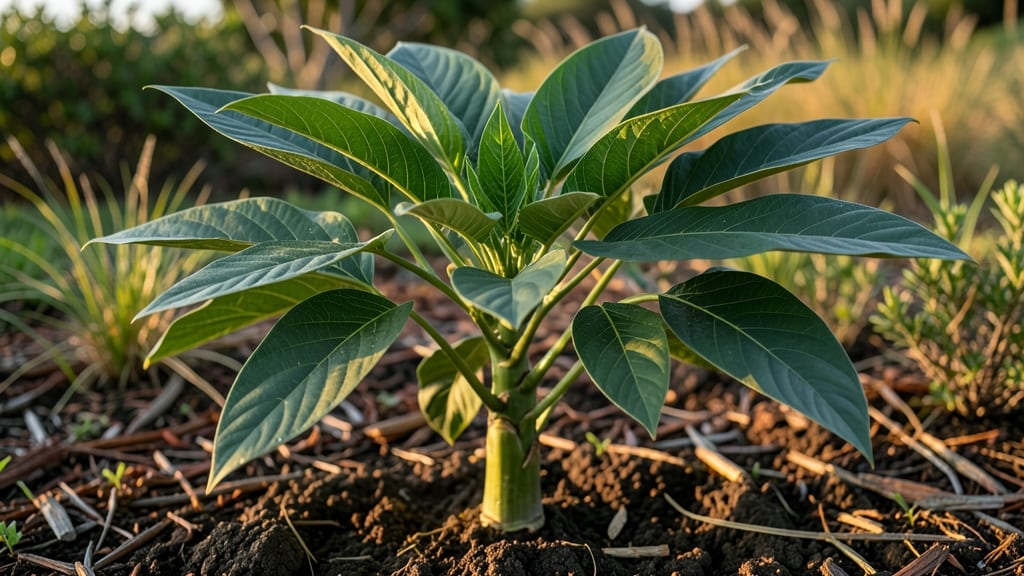
Yes, curcuma ginger is a perennial plant that thrives year-round thanks to its underground rhizomes, which store nutrients and regenerate shoots annually—even surviving cold winters with proper care.
Curcuma ginger's perennial nature comes from its rhizome system, a thick, root-like structure that acts like a natural storage unit.
Unlike annual plants that die back each year, these rhizomes remain dormant in winter but stay alive underground, ready to sprout new growth when temperatures rise. 🌱 This makes it a low-maintenance plant for gardeners in zones 9-11, where it can thrive without annual replanting.
The key to its survival lies in these underground "batteries" that hold energy for regrowth.
What sets curcuma ginger apart from other tropical perennials is its ability to tolerate brief cold snaps when protected properly. Unlike turmeric, which often dies back in cooler climates, curcuma ginger's rhizomes can endure frost if mulched heavily.
This makes it a hardier option for gardeners looking to grow ginger-family plants beyond just annual harvests.
💡 In This Article
- How Curcuma Ginger Rhizomes Overwinter Underground
- Winter Care Tips for Growing Curcuma Ginger Perennially
How curcuma ginger rhizomes overwinter underground
Curcuma ginger's perennial survival hinges on its specialized rhizomes—thick, horizontal underground stems that function like nature's hard drive. These rhizomes store starches, sugars, and nutrients in specialized cells called parenchyma, which can sustain the plant through dormancy.
During winter, the above-ground foliage dies back, but the rhizome remains alive, maintaining metabolic activity at a minimal level (5-10% of summer rates) to preserve energy.
This dormancy mechanism is similar to how turmeric rhizomes survive, but curcuma ginger's version is more cold-tolerant due to higher levels of antioxidant compounds that protect cell membranes from frost damage.
The rhizome's structure is key to its resilience. Its tough, corky outer layer (the rhizodermis) acts as insulation, preventing moisture loss and temperature fluctuations that could damage internal tissues.
Inside, specialized cells called amyloplasts convert stored starch into soluble sugars during dormancy, which act as antifreeze agents—lowering the freezing point of cell fluids by 1-2°C.
This biological trick allows the rhizome to survive brief exposures to 28-32°F without permanent damage, a threshold higher than many tropical plants can tolerate.
What makes curcuma ginger stand out compared to other tropical perennials like turmeric is its ability to regenerate from multiple growth points along the rhizome. While turmeric often produces a single main shoot, curcuma ginger's rhizomes develop 3-5 lateral buds that can independently break dormancy when conditions improve.
This redundancy ensures the plant's survival even if some buds fail to sprout. The rhizome's growth pattern also creates a natural insulation layer—new shoots emerge from the upper 1-2 inches of the rhizome, where temperatures remain more stable than at the surface.
Soil composition plays a critical role in this survival strategy. Well-draining, slightly acidic soil (pH 5.5-6.5) helps prevent rhizome rot during wet winters, while organic matter improves moisture retention without suffocating the roots.
The rhizome's natural waxy coating further repels excess water, reducing the risk of fungal infections that could compromise its winter storage function. In contrast, heavy clay soils can trap cold and moisture, creating conditions where rhizomes might succumb to rot even in mild winters.
One fascinating adaptation is how curcuma ginger rhizomes prioritize energy storage. During the growing season, they allocate up to 60% of photosynthetic energy to building starch reserves, compared to 30-40% in annual ginger varieties. This overproduction ensures the rhizome has enough fuel to sustain dormancy and regrowth.
The result? A plant that can lie dormant for months yet burst back to life with minimal sunlight—proof of nature's efficient design for survival in challenging climates.
For gardeners, this means curcuma ginger can outlast many tropical plants in marginal climates. With proper winter protection (like 12+ inches of mulch), its rhizomes can persist for 3-5 years or more, producing new shoots each spring without needing replanting.
This longevity makes it a standout choice for those seeking low-maintenance, hardy perennials with culinary and ornamental value.