
Planting
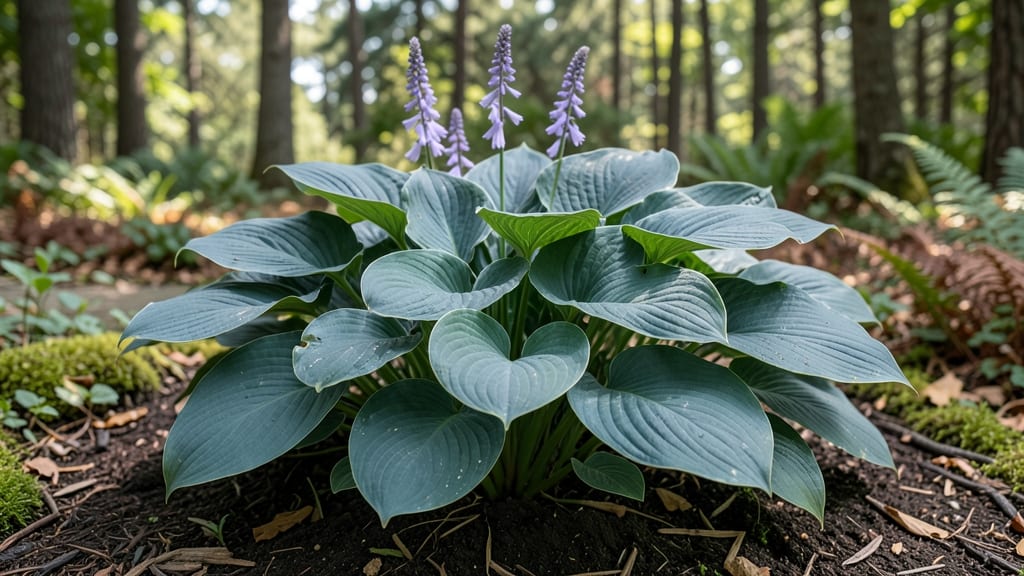
Perennial plant leaves are the unsung heroes of your garden—they regrow every spring without replanting, saving you time and money while adding year-round texture. 🌿 I learned this the hard way after replacing annuals that died each winter, only to rediscover the same tough foliage popping back up year after year. The secret lies in understanding leaf shape, color, and resilience to your climate's cold snaps.
Look for broadleaf perennials like hostas (deep green or variegated), heucheras (vibrant purple or silver), and sedums (succulent-like) that thrive in zones 3-9. These plants store energy underground during winter, then burst back with fresh leaves by late April or early May, depending on your last frost date.
The key is choosing varieties that match your sunlight and soil—most prefer partial shade but tolerate full sun with consistent moisture.
Basic care keeps them thriving: prune dead foliage in early spring, fertilize lightly in spring with compost, and watch for slugs on tender new growth. A 3-inch layer of mulch in fall protects roots from freeze-thaw cycles, while dividing clumps every 3-4 years prevents overcrowding.
The payoff? Lush, low-maintenance foliage that outlasts seasonal flowers and requires zero replanting.
Perfect for beginners and busy gardeners alike—these plants handle neglect better than most annuals. Once established, they’ll spread naturally, filling gaps in your garden with minimal effort. Start with just a few varieties to test what works best in your yard before expanding your cold-hardy foliage collection.
📚 In This Guide
- What you need
- Instructions
- Tips and common mistakes
- Wrapping up and next steps
What you need
- ● Perennial plant leaves or cuttings: Choose cold-hardy varieties like hostas, heucheras, or ornamental grasses (1–5 plants, depending on desired coverage).
- ● Well-draining potting mix: 5–10 gallons (or enough to fill containers/beds). Opt for a blend with compost for nutrients.
- ● Garden soil (if planting outdoors): Amend with 2–3 inches of organic matter (compost or aged manure).
- ● Watering can or hose: With a gentle spray nozzle for delicate foliage.
- ● Gloves and knee pads: For comfort during planting.
- ● Pruners or shears: Sharp, sterilized tools for trimming (if propagating from cuttings).
- ● Trowels or transplanting spades: For digging holes (6" deep for most perennials).
- ● Mulch (straw or shredded bark): 2–3 inches to retain moisture and protect roots in winter.
- ● Fertilizer (slow-release or organic): 10-10-10 or compost tea for a nutrient boost.
- ● Plant markers: To label varieties (helpful for large gardens!).
- ○ Greenhouse or cold frame (optional): For starting cuttings indoors before transplanting.
Step-by-step guide to selecting and maintaining cold-hardy perennial foliage
Revitalize your garden with plants that return year after year—here’s how to choose and care for them.
🌿 Step 1: Identify Your Climate Zone and Soil Type
Cold-hardy perennials thrive when matched to your USDA hardiness zone and soil conditions. Check your zone using the USDA map, then select plants rated for your specific range—like heuchera (zones 3-9) or hostas (zones 3-8). These plants naturally regrow from their roots, so their hardiness zone is critical.
Next, test your soil’s drainage and pH. Most cold-hardy foliage prefers well-draining soil with a pH between 6.0 and 7.5. Amend heavy clay by mixing in 2-3 inches of compost or sand to improve aeration. If your soil is too acidic, add dolomitic lime to raise the pH gradually. You’ll see healthier growth and better winter survival once the soil is right.
☀️ Step 2: Choose Plants with Dormant Season Adaptations
Look for perennials with woody stems or thick rhizomes, as these store energy underground to regrow each spring. Examples include sedum (stonecrop), lamium (dead nettle), and coral bells (heuchera). These plants naturally die back in winter but resprout from their roots once temperatures rise above 40°F.
Avoid tender perennials like coleus or tropical hibiscus, which won’t survive freezing temperatures. Instead, focus on plants with evergreen or semi-evergreen foliage, like boxwood or Japanese painted fern, which retain some greenery year-round. You’ll notice these plants bounce back faster in spring because they’ve conserved energy underground.
💧 Step 3: Plant in Late Summer or Early Fall for Strong Root Establishment
Plant your perennials 6-8 weeks before the first frost to give roots time to establish before winter. Dig holes twice as wide as the root ball but no deeper, then loosen the roots gently if they’re pot-bound. This encourages outward growth rather than upward, which helps with cold resilience.
Water deeply after planting to settle the soil and eliminate air pockets, then mulch with 2-3 inches of organic mulch (like shredded bark or straw) to insulate roots. In colder zones, add an extra 4-6 inches of mulch around the base to protect against freeze-thaw cycles. You’ll see new shoots emerge earlier in spring because the roots stayed active underground.
✂️ Step 4: Prune and Fertilize for Spring Regrowth
In early spring, cut back dead foliage to 2-3 inches above the ground to encourage fresh growth. Avoid heavy pruning in late fall, as this removes protective foliage that shields new shoots from cold snaps. Use clean, sharp shears to prevent disease transmission between plants.
Apply a balanced fertilizer (10-10-10) in early spring when you see new shoots emerge. For nutrient-hungry perennials like hostas, add a slow-release fertilizer in late spring to support foliage growth. Water deeply after fertilizing to help nutrients penetrate the soil. You’ll notice lush, vibrant leaves by midsummer if the soil stays consistently moist but not waterlogged.
🌱 Step 5: Monitor and Protect During Unusual Weather
If an early frost threatens in spring, cover tender new growth with frost cloth or a light blanket to protect emerging shoots. Remove the cover once temperatures rise above 32°F to avoid overheating. In late fall, add extra mulch if temperatures drop unexpectedly to prevent root damage.
Watch for signs of stress, like yellowing leaves or stunted growth, which may indicate overwatering, poor drainage, or pests. Adjust care accordingly—reduce watering if soil stays soggy, or treat pests with neem oil if aphids or spider mites appear. A healthy perennial will regrow vigorously each spring with minimal intervention.
Tips & tricks for perfect cold-hardy perennial foliage
Here's what nobody tells you about keeping your perennials thriving through winter and beyond.
Climate Zone Precision: Double-check your USDA hardiness zone using the official map—even a one-zone difference can mean the difference between plants that survive and those that don't. For example, heuchera thrives in zones 3-9, but zone 2 winters might require extra mulch or microclimate protection. I've seen gardeners in zone 4 struggle with heuchera because they assumed it was hardy enough without accounting for their specific microclimate.
Soil Science Matters: That 2-3 inches of compost isn't just for aesthetics—it's a game-changer for cold resilience. The organic matter improves soil structure, which helps roots withstand freeze-thaw cycles. For heavy clay soils, mix in sand or perlite to prevent waterlogging that can rot roots during winter. I learned this the hard way when my hostas struggled in poorly amended soil—now I test drainage by pressing a fist into the soil and watching how quickly water drains away.
Timing is Everything: Planting 6-8 weeks before the first frost gives roots critical time to establish, but don't wait until fall's last minute. I recommend marking your calendar when day-length drops below 12 hours—this natural signal coincides with optimal planting windows. For northern gardens, aim for mid-August planting, while southern gardens can extend to early October. The key is giving roots time to harden off before winter.
Mulching Strategy: That standard 2-3 inches of organic mulch becomes 4-6 inches in colder zones, but don't smother the plants. Leave a 2-inch gap around stems to prevent moisture buildup that can cause rot. I use straw mulch because it breaks down slowly and provides consistent insulation. For extra protection in zone 3 and below, add a layer of evergreen boughs on top of the straw—they'll release aromatic oils that deter pests while providing additional insulation.
Pro Tips for Perennial Plant Leaves
- Here's what nobody tells you about keeping your perennials thriving through winter and beyond.
- Climate Zone Precision: Double-check your USDA hardiness zone using the official map—even a one-zone difference can mean the difference between plants that survive and those that don't.
- Soil Science Matters: That 2-3 inches of compost isn't just for aesthetics—it's a game-changer for cold resilience.
Frequently asked questions
Got questions about perennial plant leaves? You’re not alone! Here are some of the most common queries—plus quick, practical answers to keep your cold-hardy foliage thriving year after year.
When should I prune perennial leaves for the best regrowth?
Prune after the first flush of new growth in early spring (when frost risk has passed) or in late fall before dormancy. Avoid cutting back in winter—this can expose tender stems to cold damage. For evergreens, a light trim in late winter keeps them tidy without stunting regrowth.
How do I protect perennial leaves from late-season freezes?
Mulch heavily (3–4 inches of straw or shredded leaves) around the base in late fall to insulate roots. For young perennials, use frost cloth or burlap wraps on stems. Avoid watering before a freeze—wet foliage can ice over. Most hardy perennials bounce back, but tender varieties may need temporary shelter.
Can I use perennial leaves for mulch or compost?
Disease-free
perennial leaves (like hosta or daylily) make excellent mulch—just chop them into smaller pieces first for faster decomposition. Avoid composting leaves from perennials with fungal issues (e.g., powdery mildew). For a nutrient boost, mix with nitrogen-rich greens (like grass clippings) in your compost pile.
Why are my perennial leaves turning yellow or brown mid-season?
Yellowing often signals overwatering or poor drainage, while brown patches may mean heat stress, pests (like slugs), or nutrient deficiencies. Check soil moisture (leaves should wilt slightly before watering) and fertilize lightly in early summer. If spots persist, test soil pH—many perennials prefer slightly acidic to neutral conditions (6.0–7.0).
Are there perennial leaves that stay green all winter?
Yes! Evergreen perennials like heuchera (coral bells), lamium (dead nettle), and bergenia retain foliage year-round in mild climates (Zones 5–9). For colder areas, choose semievergreen options like hostas or sedge, which may brown but regrow quickly in spring. Pair them with ornamental grasses for winter interest!
Wrapping up and next steps
Perennial plant leaves offer a low-maintenance, eco-friendly way to add year-round beauty to your garden—no replanting required! 🌱 From hardy hostas to vibrant heucheras, these plants prove that resilience and style go hand in hand.
Whether you’re a seasoned gardener or just starting, their ability to regrow naturally makes them a game-changer for sustainable landscapes.
Ready to transform your outdoor space? Start small: Pick one cold-hardy perennial, test it in your climate, and watch it thrive. Before you know it, you’ll be swapping seasonal struggles for effortless, evergreen elegance!