
Flowers
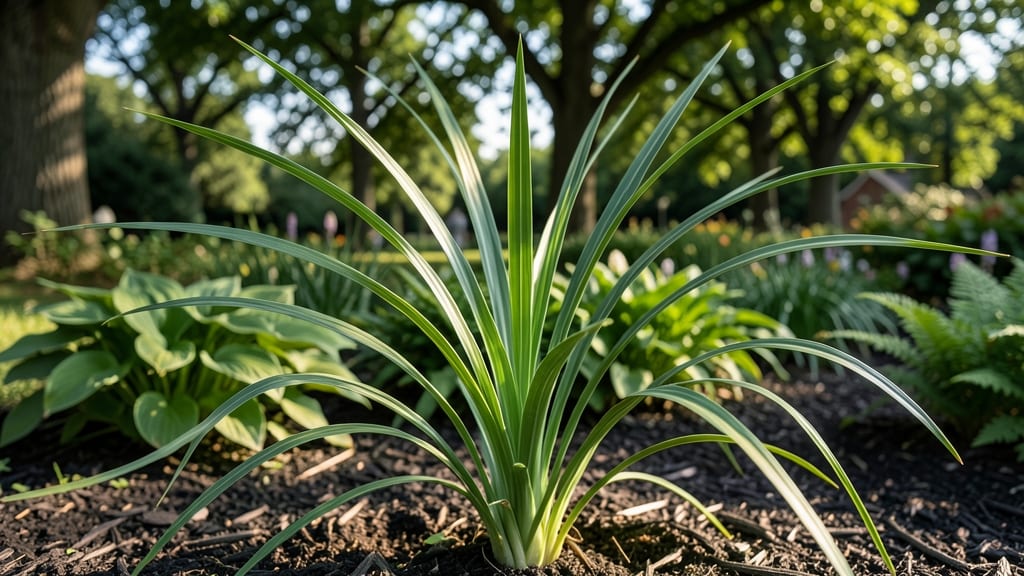
Lemongrass is a perennial in warm climates, returning each year from its rhizome system even after above-ground stalks die back in winter or drought. Cold snaps may kill it back, but regrowth confirms its perennial nature with proper care.
Lemongrass earns its perennial label because of its underground rhizomes, which store energy and nutrients year-round.
Unlike annuals that complete their life cycle in one season, lemongrass survives by sending up new shoots from these hidden roots when conditions improve. 🌱 In tropical zones, it thrives continuously, but even in cooler areas, its ability to regrow after dormancy proves its hardy nature.
The key difference from true annuals is that lemongrass doesn't need to be replanted each year—just given the right conditions to bounce back.
This regrowth pattern explains why many gardeners consider lemongrass a low-maintenance plant. The rhizome system acts like a natural survival mechanism, allowing the plant to endure dry spells or light frosts.
For example, if you live in USDA zones 9-11, your lemongrass will likely return year after year with minimal effort, while those in colder zones may need to provide winter protection to encourage regrowth. Understanding this cycle helps you plan your garden layout and harvesting schedule more effectively.
💡 In This Article
- Lemongrass Growth Cycle: Why It Dies Back but Returns
- How to Overwinter Lemongrass in Cold Climates
Lemongrass growth cycle: why it dies back but returns
The secret to lemongrass's perennial nature lies in its rhizomatous root system, a network of horizontal underground stems that store carbohydrates and nutrients.
These rhizomes can extend up to 3-4 feet in ideal conditions, acting like a biological battery that keeps the plant alive even when above-ground growth dies back. When temperatures drop below 50°F, the plant enters dormancy, conserving energy until warmer weather returns.
This dieback isn't death—it's survival strategy. The rhizomes remain dormant but viable for months, with some studies showing they can survive 6-8 weeks of complete above-ground dormancy in USDA zones 8-10.
The regrowth process begins when soil temperatures rise to 60°F+, triggering new shoots to emerge from the rhizome nodes. This explains why you might see lemongrass "come back to life" after what appears to be complete winter kill.
Temperature thresholds determine whether lemongrass behaves as a true perennial in your climate. In tropical regions (zones 10-11), it grows continuously with no true dormancy. But in zones 7-9, light frosts (28-32°F) will blacken the stalks, while below 25°F can damage rhizomes.
The plant's ability to regrow depends on how quickly these underground reserves can recover—typically within 2-4 weeks of warm soil conditions.
What sets lemongrass apart from true annuals is this rhizome-based regrowth capability. Most annuals complete their entire life cycle from seed to seed in one season, but lemongrass skips the seed stage entirely in its first year, focusing all energy on building rhizome reserves.
This explains why commercial lemongrass farms often use rhizome cuttings rather than seeds—it's a more reliable propagation method that guarantees perennial behavior.
The plant's aromatic compounds also play a role in its survival. The essential oils in lemongrass rhizomes act as natural antifreeze agents, preventing cellular damage during cold periods.
This is why you'll often find lemongrass growing wild in disturbed tropical soils—it can outcompete other plants by leveraging this underground storage system during dry seasons or seasonal dieback periods.
For gardeners, understanding this cycle means you can harvest lemongrass more sustainably. The plant can tolerate 30-50% stalk removal without harming the rhizome system, as long as you leave some green growth for photosynthesis.
In zones 9-11, you can harvest continuously year-round, while in cooler zones, timing your harvests to avoid winter dieback (typically stopping by October) ensures the rhizomes have energy reserves for spring regrowth.