
Planting
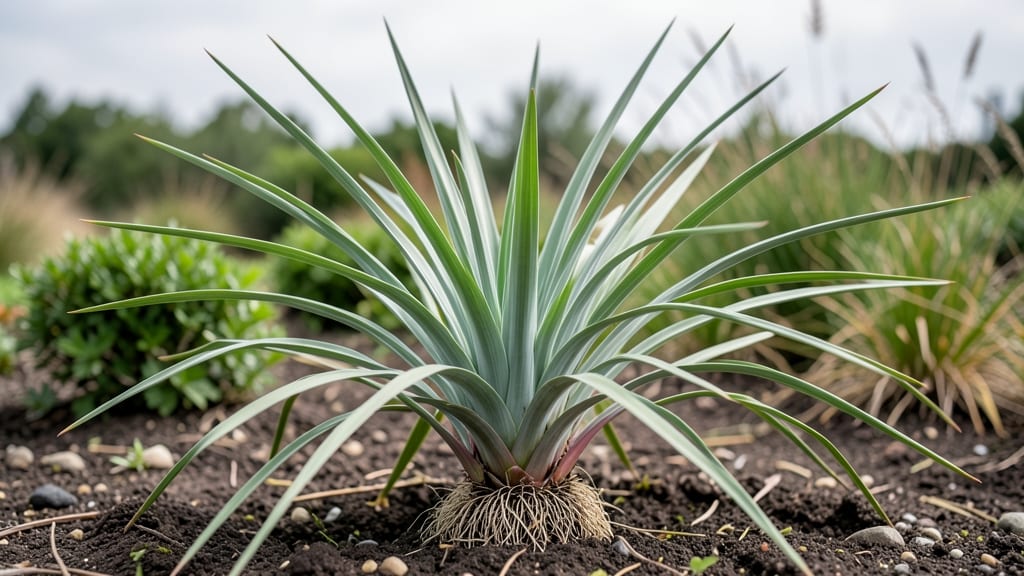
The lemongrass plant acts as a perennial in warm climates (USDA Zones 10-12), returning each year from its underground rhizomes. In cooler areas, it behaves more like an annual, dying back in winter but easily regrown from cuttings or seeds.
The reason lemongrass thrives as a perennial in warm zones comes down to its rhizome system, which stores energy underground to regenerate year after year. 🔥 In colder regions (Zones 9 and below), the plant's sensitivity to frost forces it to go dormant, but with proper care—like bringing potted plants indoors—you can trick it into lasting multiple seasons.
Many gardeners in Zone 8 or cooler treat it as a seasonal crop, harvesting before winter and replanting in spring.
This adaptability makes lemongrass a favorite for both tropical gardens and container growers in cooler climates. The key difference lies in temperature tolerance: while it naturally persists in warmth, a little extra effort in colder areas turns it from an annual to a renewable resource.
💡 In This Article
- Lemongrass Growth Cycle: Why It Thrives in Warm Climates
- How to Overwinter Lemongrass in Cold Climates
Lemongrass growth cycle: why it thrives in warm climates
Lemongrass (Cymbopogon citratus) earns its perennial status in warm climates thanks to its robust rhizome system—thick, horizontal underground stems that store nutrients and energy.
These rhizomes act like natural batteries, allowing the plant to regenerate from just a few inches of remaining root stock after winter dormancy in ideal conditions.
In USDA Zones 10-12, where temperatures rarely drop below 30°F, the rhizomes remain active year-round, producing fresh shoots within 2-4 weeks of favorable conditions.
The plant's sensitivity to cold stems from its tropical origins in Southeast Asia. When temperatures fall below 40°F for extended periods, the above-ground stems yellow and die back, but the rhizomes enter a dormant state rather than perishing.
This dormancy mechanism is similar to how ginger or turmeric behave in warm climates—both rely on underground storage organs to survive seasonal changes. The key difference is that lemongrass rhizomes are less cold-hardy than some other perennials, making them vulnerable in Zones 9 and below without protection.
What makes this growth cycle fascinating is how lemongrass adapts its energy storage. During warm months, the plant directs resources toward both above-ground growth (the fragrant stalks we use) and below-ground rhizome expansion.
By autumn, up to 60% of the plant's biomass may be stored in these rhizomes, creating a survival advantage. This underground network can spread 12-18 inches in ideal conditions, allowing the plant to quickly reclaim space after disturbances like harvesting.
In colder regions, this natural cycle gets interrupted. The rhizomes may survive mild winters but often weaken from frost penetration or freeze-thaw cycles. Gardeners in Zones 7-9 frequently observe that even "overwintered" lemongrass produces sparser regrowth the following spring—a clear sign the rhizomes were stressed.
The plant's inability to photosynthesize during dormancy means it can't replenish lost reserves, which is why annual replanting becomes necessary in these areas.
Here's where the science gets interesting: lemongrass exhibits thermomorphogenesis—a growth response to temperature changes. When nighttime temperatures drop below 50°F, the plant triggers hormonal changes that redirect growth energy underground.
This is why you'll often see lemongrass in warm climates producing multiple harvestable stalks simultaneously, while northern-grown plants may struggle to recover fully after winter. The plant essentially "chooses" between aggressive above-ground growth (when warm) and conservation (when cool).
The aromatic oils in lemongrass stems also play a role in its survival strategy. These volatile compounds act as natural antifreeze agents, protecting cellular structures during brief cold snaps.
However, this protection has limits—prolonged exposure to 25°F or below will still damage the rhizomes, explaining why even tropical perennials have their boundaries. 🌿