
Aphids
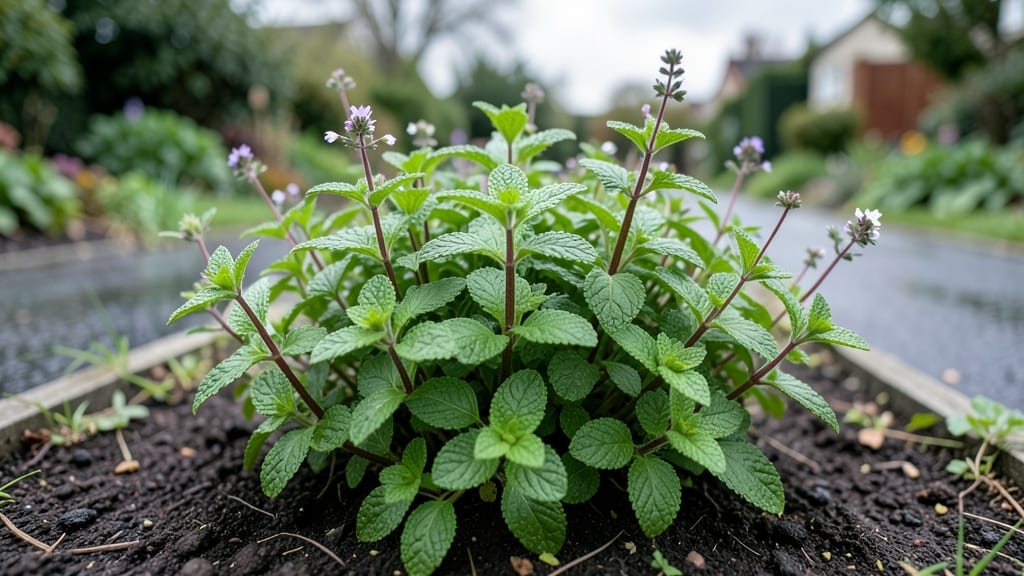
Mint is a perennial plant that grows back annually from its strong underground rhizomes, thriving in USDA hardiness zones 3 through 9. Though it may appear dormant in winter, it revives each spring if protected from extreme cold or invasive weeds.
This hardy nature comes from mint's extensive root system, which stores energy underground during cold months. 🌱 Unlike annuals that complete their life cycle in one season, mint's rhizomes act like natural batteries, storing nutrients to fuel rapid regrowth once temperatures rise.
In colder regions (zones 3-5), a thick layer of mulch can make all the difference between winter survival and total loss.
What many gardeners don't realize is that mint's dormancy isn't true death—it's just a survival strategy. The leaves may brown and fall away, but the roots remain alive beneath the soil, ready to burst back when conditions improve.
This makes mint one of the most resilient herbs for gardeners in temperate climates.
💡 In This Article
- Understanding Mint’s Perennial Growth Cycle
- Tips for Year-Round Mint Growth in Gardens
Understanding mint’s perennial growth cycle
Mint's perennial nature stems from its aggressive underground rhizome system, which can spread horizontally up to 12 inches per year under ideal conditions. These thick, fibrous roots store carbohydrates and nutrients like a natural energy reserve, allowing the plant to survive harsh winters by entering a state of dormancy.
Unlike annual herbs that complete their life cycle in one season, mint's rhizomes remain alive even when above-ground growth appears dead.
The key to mint's survival lies in its ability to regulate growth based on temperature. When daytime temperatures drop below 40°F, the plant stops producing new leaves and conserves energy in its roots. This dormancy prevents frost damage while maintaining metabolic activity just enough to stay alive.
In USDA zones 3-5, where winter temperatures can plummet to -30°F, the rhizomes may freeze solid but remain viable if protected from prolonged exposure.
What makes mint uniquely resilient is its rapid revival mechanism. When spring temperatures consistently stay above 50°F for several days, the rhizomes detect these cues and begin producing new shoots within 7-14 days. This speedy recovery is due to stored starches converting back into sugars that fuel growth.
The plant's ability to regenerate from even small root fragments (as little as 1 inch) makes it nearly impossible to eradicate once established.
However, this hardiness has limits. In zones 6-9, where winters are milder, mint may experience partial dieback but still recover fully. The critical factor becomes soil moisture - frozen, waterlogged soil can suffocate roots even when temperatures aren't extreme.
This is why gardeners in colder regions often see mint struggling in heavy clay soils that don't drain well during winter thaw cycles.
Interestingly, mint's dormancy isn't uniform across varieties. Spearmint tends to be slightly more cold-hardy than peppermint, which can suffer more damage in zone 4 winters. The difference comes down to their natural growing regions - spearmint evolved in cooler European climates while peppermint originated in Mediterranean areas with milder winters.
This genetic variation explains why some gardeners report their peppermint surviving winters in zone 5 with protection, while others need to dig up and overwinter pots indoors.
One fascinating aspect is how mint's growth cycle mirrors other perennial herbs like oregano and thyme. All three share the rhizome-based survival strategy, but mint's horizontal spread sets it apart.
While oregano forms compact clumps, mint's roots can spread 3-5 feet in ideal conditions, creating dense colonies that outcompete weeds naturally. This aggressive growth is both a gardener's blessing and challenge - it makes mint incredibly resilient but also prone to taking over garden beds if not contained.