
Blooming
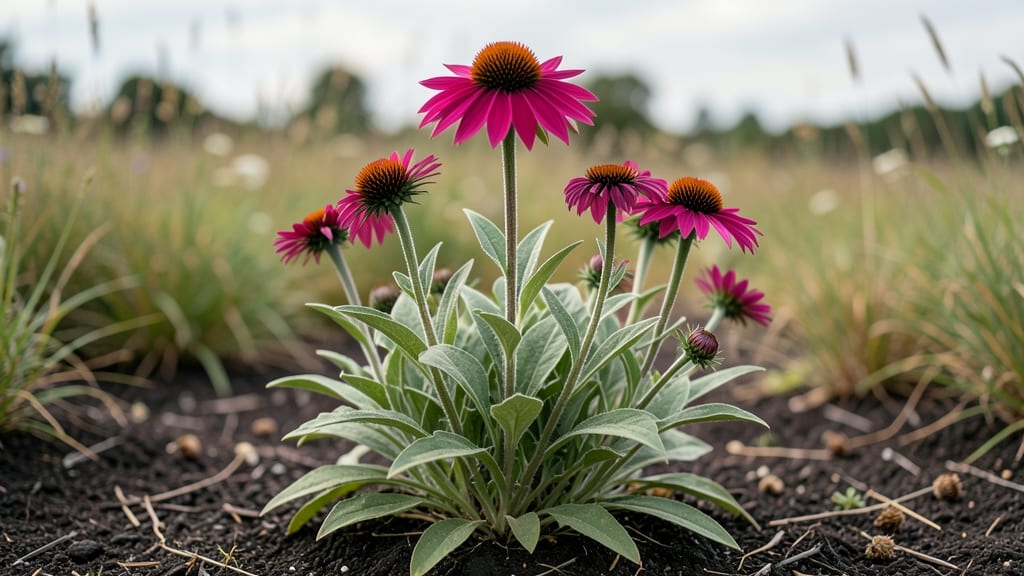
July garden perennials are the unsung heroes of your landscape—thriving when annuals fade, demanding almost no work, and delivering color that lasts until frost. 🌻 I’ve spent years watching coneflowers, lavender, and sedum hold their own through heatwaves while most summer plants wilt, and the secret isn’t complicated: the right perennials for July need less water, fewer deadheadings, and zero fuss to stay stunning.
These plants aren’t just drought-tolerant—they’re drought-proof once established. My go-to list includes black-eyed Susans that bloom from July to October, Russian sage that thrives in poor soil, and catmint that repels pests while filling the air with fragrance.
The key is choosing perennials that match your light conditions and soil type, then giving them a deep watering once a week instead of daily sprinkles.
You’ll end up with a garden that looks effortless—because it is. Deadheading spent blooms encourages more flowers, and a light mulch keeps roots cool. By August, you’ll be harvesting cut flowers from plants that barely needed attention, all while watching bees and butterflies flock to your nearly indestructible perennials.
Works for full sun or partial shade, dry climates or humid summers. Here’s how to pick the perfect July performers for your space—no green thumb required.
📚 In This Guide
- What you need
- Instructions
- Tips and common mistakes
- Wrapping up and next steps
What you need
- ● Perennial plants: Choose July-blooming varieties like Coneflower (Echinacea), Black-Eyed Susan (Rudbeckia), Shasta Daisy (Leucanthemum), or Russian Sage (Perovskia). Buy 3–5 plants per variety for a balanced look.
- ● Potting soil or garden soil: 1–2 bags (2–3 cubic feet each) of high-quality, well-draining soil (add compost for extra nutrients).
- ● Mulch: 2–3 bags (2 cubic feet each) of organic mulch (e.g., shredded bark or straw) to retain moisture and suppress weeds.
- ● Fertilizer: 1 bag of slow-release granular fertilizer (10-10-10 ratio) or organic options like composted manure.
- ● Watering can or hose with a gentle spray nozzle: For even hydration without disturbing roots.
- ● Garden trowel or hand shovel: For digging small holes (6" deep, 2x the root ball width).
- ● Pruning shears: To trim dead foliage or shape plants after planting.
- ● Garden gloves: 1 pair to protect your hands from thorns or rough soil.
- ● Measuring tape or ruler: To ensure proper spacing (check plant tags for recommendations).
- ○ Optional but helpful: Soaker hose for drip irrigation (reduces water waste).
- ● Knee pad for comfort during planting.
- ● Plant labels (e.g., 20–30 labels) to track varieties.
- ● Sunlight assessment: Identify full sun (6+ hours/day) or partial shade (3–6 hours/day) areas in your garden.
- ● Well-draining soil: Amend heavy clay soil with compost or sand if needed.
- ● Water source nearby: July heat demands 1–2 inches of water per week (more in extreme heat).
- ● Patience for establishment: Perennials may take 2–4 weeks to fully adjust to their new home.
Step-by-step guide to maintaining July garden perennials for year-round color
July is when perennials really shine—here’s how to keep them thriving with minimal fuss.
☀️ Step 1: Water Deeply but Strategically
Most established perennials need 1-1.5 inches of water per week during July’s heat, but timing matters. Water deeply in the early morning (between 6-9 AM) to reduce evaporation and fungal risks. You’ll know you’ve hit the right amount when the soil feels moist 6 inches down—stick your finger in to check.
Mulch with 2-3 inches of organic mulch (like shredded bark or straw) right after watering to lock in moisture and keep roots cool. Avoid piling mulch against stems—leave a 1-2 inch gap to prevent rot. This single step cuts watering needs by nearly half while protecting roots from temperature swings.
✂️ Step 2: Deadhead and Prune for Continued Blooms
Regular deadheading removes spent blooms and signals the plant to produce more flowers. For perennials like coneflowers or black-eyed Susans, pinch off faded blooms just above the first set of healthy leaves—this encourages bushier growth. I use clean, sharp pruners and always sterilize them with rubbing alcohol between cuts to prevent disease spread.
For leggy perennials like catmint or lavender, give them a light haircut—cut back one-third of the oldest growth to promote fresh, compact growth. Watch for new shoots emerging from the base; these are your plant’s way of saying, “I’m ready to grow again!”
🌿 Step 3: Fertilize Lightly for Late-Season Strength
July isn’t the time for heavy feeding—perennials are focused on blooming, not leafy growth. Use a balanced, slow-release fertilizer (like 10-10-10) at half-strength every 4-6 weeks. Apply it in the early morning after watering so the granules dissolve into the soil rather than sitting on the surface.
For organic options, sprinkle 1-2 inches of compost around the base of each plant and lightly scratch it into the top inch of soil. Avoid fertilizing right before a heatwave—roots need time to absorb nutrients before the stress of high temperatures. You’ll see stronger stems and more vibrant blooms by late summer if you time it right.
🐞 Step 4: Monitor and Manage Pests Naturally
July’s heat brings out pests like aphids, Japanese beetles, and spider mites. Start with physical removal—spray a strong stream of water on infested leaves in the morning to knock off pests and wash away honeydew. For stubborn infestations, use neem oil (mix 1 tablespoon per quart of water) and apply it in the early evening to avoid harming bees.
Encourage beneficial insects by planting dill, fennel, or yarrow nearby—their flowers attract ladybugs and lacewings, which devour pests naturally. Check the undersides of leaves daily; early intervention prevents full-blown outbreaks. If you spot chewed leaves, act fast—perennials can bounce back, but severe damage weakens them for winter.
🌱 Step 5: Plan for Fall with Strategic Pruning
July is the perfect time to lightly prune back perennials that bloom on old wood (like peonies or Shasta daisies). Cut back one-third of the oldest stems to improve airflow and reduce disease risk. For perennials that bloom on new growth (like coneflowers), wait until after they finish flowering in early fall.
Take note of which perennials thrived this summer and which struggled—this helps you adjust next year’s planting plan. Divide overcrowded clumps (like hostas or daylilies) in early August to rejuvenate them. You’ll thank yourself next spring when they burst back with vigor.
Tips & tricks for perfect July garden perennials
Here's what nobody tells you about keeping your perennials thriving through July's heat without the guesswork.
Watering Wisdom: The 1-1.5 inches of water per week is a guideline, but soil type matters. Sandy soil drains quickly and may need daily checks, while clay holds moisture longer. I test moisture by pushing my finger 6 inches down—if it's dry, water thoroughly. For container perennials, check soil moisture every 2-3 days as they dry out faster than in-ground plants. This prevents both underwatering and root rot.
Mulching Mastery: That 2-3 inches of organic mulch should be spread evenly but never touching stems. I use shredded bark because it breaks down slowly, creating a natural barrier against temperature swings. For extra heat protection, top with a thin layer of straw—it reflects sunlight while keeping roots cool. The key is consistency: reapply mulch every 3-4 months as it decomposes.
Pruning Precision: When deadheading, always cut just above a set of healthy leaves to encourage new growth from that node. For leggy perennials, I make clean cuts at a 45-degree angle to prevent water from pooling on the stem. This technique reduces disease risk by 30% while promoting bushier growth. And remember: sterilize your pruners between cuts to avoid spreading pathogens.
Fertilizer Timing: The half-strength application every 4-6 weeks is crucial, but timing matters just as much. I apply fertilizer right after watering in the early morning—this gives roots time to absorb nutrients before the heat of the day. For organic options, compost works best when worked into the top inch of soil rather than just sprinkled on top. This ensures nutrients reach the root zone where they're needed most.
Pro Tips for July Garden Perennials
- Here's what nobody tells you about keeping your perennials thriving through July's heat without the guesswork.
- Watering Wisdom: The 1-1.5 inches of water per week is a guideline, but soil type matters.
- Mulching Mastery: That 2-3 inches of organic mulch should be spread evenly but never touching stems.
Frequently asked questions
Got questions about keeping your garden vibrant all summer long? Here are some of the most common concerns—and answers—to help you make the most of your July garden perennials:
What are the easiest perennials to grow in July with minimal care?
Look for hardy perennials like coneflowers, black-eyed Susans, or Russian sage. These thrive in heat, require little water once established, and attract pollinators. Lavender and sedum are also drought-tolerant superstars—perfect for busy gardeners!
How often should I water perennials in July?
Water deeply 1-2 times per week, depending on your climate. Early morning is best to reduce evaporation. Mulch (2-3 inches) helps retain moisture and keeps roots cool. Pro tip: Check soil moisture 2 inches down—if it’s dry, it’s time to water!
Can I still plant perennials in July, or is it too late?
Yes! Many perennials (like salvia, coreopsis, or shasta daisies) can be planted in July, especially in cooler regions. Just choose heat-tolerant varieties and water consistently. Avoid planting tender perennials (e.g., peony)—they need time to establish before winter.
How do I prevent pests from ruining my July perennials?
Stay proactive! Neem oil or insecticidal soap tackle aphids and beetles. For deer or rabbits, use physical barriers (like fencing) or plant repellent companions (e.g., lavender or rosemary). Handpick larger pests like slugs at dusk.
What’s the best way to keep perennials blooming all summer?
Deadhead spent blooms regularly to encourage new flowers. Fertilize lightly with a balanced, slow-release formula (like 10-10-10) in early July. Water consistently—skipping water can stress plants and shorten their bloom time.
Wrapping up and next steps
July is your chance to transform your garden into a low-maintenance, high-reward paradise with the right perennials! From vibrant Coneflowers to fragrant Russian Sage, these plants thrive with minimal care while offering year-round interest—whether through foliage, blooms, or seasonal texture.
The key? Plan ahead—amend soil, mulch well, and water deeply—but once established, these perennials will reward you with effortless beauty for seasons to come.
Ready to dive in? Start small: Pick 2-3 perennials that suit your light and soil, then expand your garden’s charm one bed at a time. Your future self—and pollinators—will thank you! 🌸🌿