
Picking
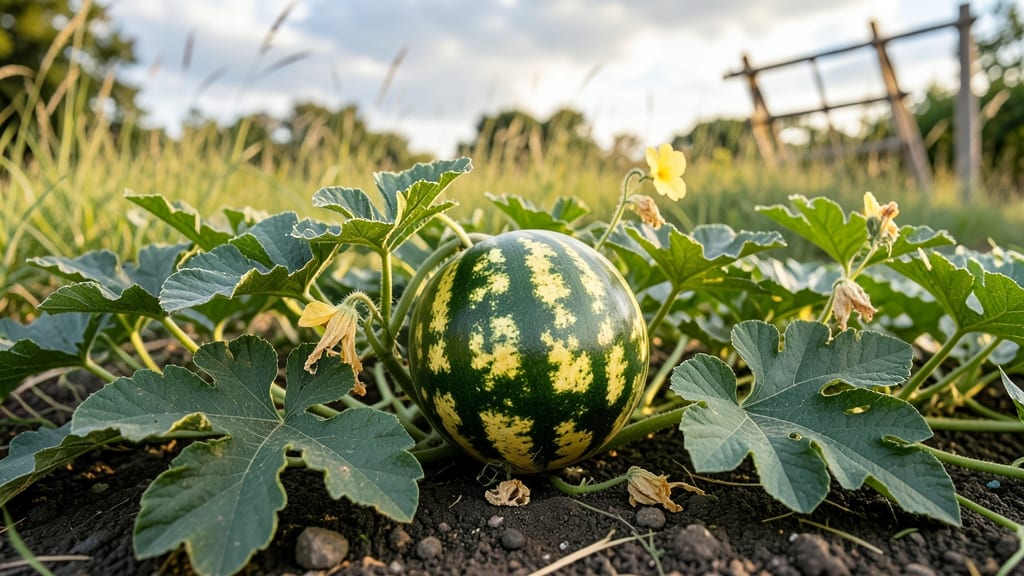
3 Tactile tests to determine mini watermelon ripeness without cutting
Determining when your mini watermelons are perfectly ripe can feel like guessing—especially when you’re eager to taste their sweetness without damaging the fruit. The good news? You don’t need to cut one open to know if it’s ready.
Instead, use these three tactile tests to predict ripeness with near-perfect accuracy. These methods rely on texture, weight, and visual cues that correlate directly with sugar content and flavor.
Why does this matter? Overripe mini watermelons become mushy and lose their signature sweetness, while underripe ones taste bland and watery. By mastering these non-invasive tests, you’ll harvest fruit at its peak—every time.
The best part? These techniques work for all varieties of mini watermelons, from Sugar Baby to Tiny Tim.
Comparison Table for Mini Watermelon Ripeness Tests:
The stem texture test is my favorite because it’s foolproof. When the stem near the fruit turns brown and feels dry, it’s a clear sign the vine has stopped sending nutrients to the melon.
This usually happens 1-3 days before the fruit reaches peak ripeness. Pro tip: If the stem snaps easily when twisted, your watermelon is ready—don’t wait another day!
Next, focus on the rind firmness. A ripe mini watermelon should feel firm but yield slightly under gentle pressure. Think of it like pressing your thumb into a ripe peach—there’s resistance, but it gives just a little.
If the rind feels hard or spongy, the fruit isn’t ready yet. Overripe watermelons often have a soft, almost mushy texture, which is a sure sign you’ve waited too long.
Don’t overlook the field spot, the area where the watermelon rested on the ground. This spot often turns a bright yellow or orange when the fruit is ripe. The color change happens because of natural pigments that develop as sugars concentrate.
If you see a 1-2 inch yellow spot, your mini watermelon is likely at its sweetest. This is especially reliable for yellow-fleshed varieties like Yellow Doll.
Finally, the weight test is a subtle but effective trick. Ripe mini watermelons feel heavier than expected for their size because they’re packed with water and sugars. Hold two melons side by side—one ripe and one underripe—and you’ll notice the difference immediately.
If your fruit feels light for its size, it needs more time on the vine.
Combine these tests for the most accurate results. For example, if the stem is dry but the rind still feels hard, wait another day.
Conversely, if the field spot is yellow but the stem isn’t crispy, the melon might be overripe. Balance all three cues to avoid mistakes, and you’ll never guess wrong again.
Once you’ve mastered these tactile tests, you’ll harvest mini watermelons at their peak sweetness every time—no knife required. Happy harvesting! 🍉
Common mistakes that make mini watermelons taste bland or overripe
Even with the right tactile tests, your mini watermelons can still turn out bland or mushy if you overlook these common pitfalls. The most frequent culprits? Overwatering, premature harvesting, and nutrient imbalances in the soil.
These mistakes disrupt the delicate balance of sugars and moisture that makes watermelons sweet and crisp.
One of the biggest mistakes is watering too frequently. While watermelons love moisture, soggy soil dilutes flavor and causes fruit to split or become waterlogged. I’ve seen vines thriving but producing fruit that tastes like sad, overripe sponges. The key is consistent moisture, not drowning the roots.
Another red flag is harvesting too early. Even if your mini watermelon looks ripe, it might not be ready if you pick it based on size alone. Premature harvesting leads to underdeveloped seeds and a bland, seedy interior. Always wait for that yellow-green rind and brown stem before cutting.
⚠️ WARNING: Overripe or Underripe Signs ⚠️
🚨 Overripe: Rind turns dull, fruit feels mushy, and the stem rots away completely. 🚨 Bland: Rind stays pale green, fruit feels rock-hard, and seeds are underdeveloped. 🚨 Nutrient Deficiency: Yellowing leaves or stunted vines signal poor soil health—fix with balanced fertilizer (5-10-10 NPK).
If your soil lacks nutrients, your watermelons will struggle to develop sweetness. A quick soil test can reveal if you need more potassium or phosphorus. I’ve had the best luck with a light feed of compost tea mid-season to boost flavor without overloading the plant.
Even uneven sunlight can throw off ripeness. Mini watermelons need 6-8 hours of direct sun daily. If your vines are shaded, the fruit may ripen unevenly—leading to patchy sweetness. Try moving containers or pruning nearby plants to ensure full exposure.
To salvage a bland harvest, try storing ripe fruit in a cool, dry place (50-55°F) for 1-2 weeks. Sometimes, off-flavor improves as sugars concentrate. But if the fruit is overripe, eat it immediately or compost it to avoid waste.
Next time, focus on soil health, watering discipline, and patient harvesting. Your next batch of mini watermelons will be sweeter than ever! 🍉