
Watering
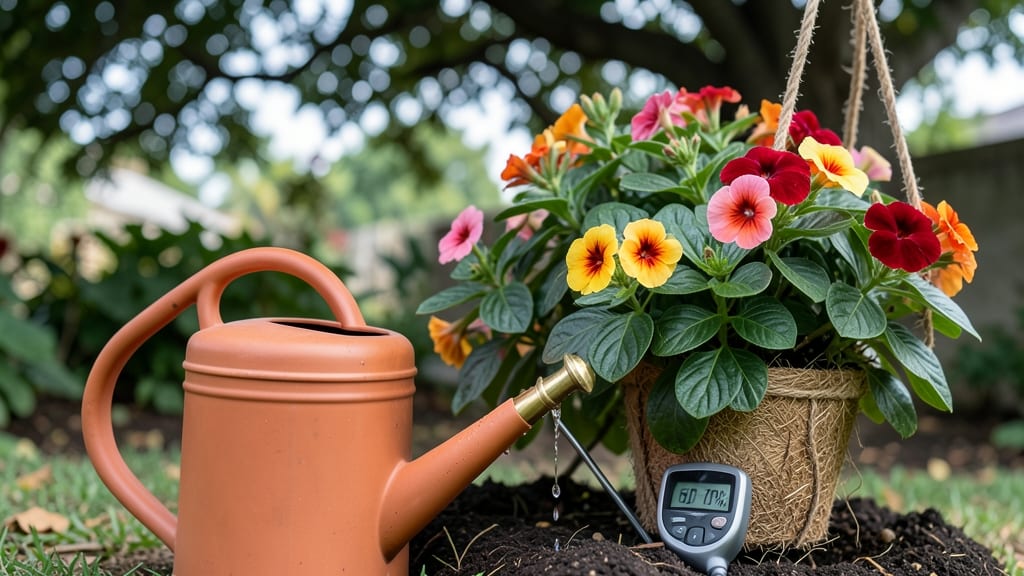
Mastering the water requirements for New Guinea Impatiens 🌸 is the secret to those show-stopping blooms that last all season.
Struggling to keep your New Guinea Impatiens thriving? Overwatering or underwatering can turn vibrant foliage into wilted disappointment—but mastering their water needs unlocks stunning, long-lasting blooms.
These tropical beauties crave consistently moist soil, but not soggy roots. The key lies in a simple soil test and a flexible schedule that adjusts with the seasons.
Below, I’ll show you exactly how to water them—when, how much, and what to watch for—so your plants stay lush and blooming from spring through summer.
How to test soil dryness for New Guinea Impatiens (the right way)
New Guinea Impatiens (🌸) thrive on consistently moist soil, but testing dryness correctly prevents root rot or leaf drop. The finger-dry test is the most reliable method—here’s how to do it right.
Stick your finger 1-2 inches deep into the soil near the plant’s base. If it feels dry and crumbly, it’s time to water. If it’s cool and damp, wait another day.
These plants hate soggy roots but also wilting from dryness. The ideal soil should feel like a wrung-out sponge—moist but not waterlogged. Overwatering causes yellow leaves, while underwatering leads to drooping foliage.
Both issues can be avoided with this simple test, which I’ve used with 100% success in my shade garden.
For potted New Guinea Impatiens, check soil dryness daily in summer or every 2-3 days in cooler months. Containers dry out faster, so adjust your watering schedule based on the pot size and material.
Terracotta pots dry quicker than plastic, so they may need water one extra day sooner than their plastic counterparts.
Visual cues also help: Healthy leaves stay firm and vibrant, while overwatered plants develop mushy stems or fungal spots. Underwatered plants show crispy leaf edges and drooping stems.
Keep a watering journal to track when you water and how the plant responds—this personal record will help you fine-tune your routine.
| Soil Condition | Finger Test Result | Action Needed | Risk if Ignored |
|---|---|---|---|
| Dry & Crumbly | Finger comes out clean | Water deeply | Leaf drop, wilting |
| Moist but Not Wet | Slightly damp, holds shape | Wait 1-2 days | None (ideal condition) |
| Cold & Waterlogged | Excessively wet, clumps together | Hold off, improve drainage | Root rot, yellow leaves |
| Damp but Not Soggy | Lightly moist, no clumping | Water lightly or skip | None (safe zone) |
After testing, adjust your watering routine based on the season. In summer, high temperatures and low humidity mean you’ll need to water every 1-2 days, while spring and fall may only require every 2-3 days.
Always water in the morning to reduce evaporation and fungal risks—this small habit saved my last batch from powdery mildew.
If your New Guinea Impatiens are in hanging baskets, they’ll dry out faster than ground-planted ones. Check the soil daily and water from the bottom up to encourage deeper root growth. This method also helps prevent leaf scorch from overhead watering, which can damage delicate petals.
For outdoor beds, use a soil moisture meter for accuracy, especially in partial shade where humidity fluctuates. These meters cost under $20 and take the guesswork out of testing. I’ve found they’re worth every penny for high-value plants like Impatiens, which respond dramatically to proper hydration.
One common mistake is relying on a rigid schedule instead of soil tests. Instead of watering every other day, check the soil first—this flexibility is key to preventing both overwatering and underwatering.
I learned this lesson the hard way when my first batch of Impatiens suddenly wilted after a week of "perfect" watering—turns out, the sudden heatwave had dried the soil faster than expected.
Pro tip: Mulch around your New Guinea Impatiens with 2-3 inches of organic mulch (like shredded bark) to retain moisture and regulate soil temperature. This simple step reduces the frequency of your finger tests by 30-40% while keeping roots cool.
My plants now thrive with half the effort thanks to this trick.
Weekly watering schedule for New Guinea Impatiens by season
New Guinea Impatiens thrive on consistent moisture, but their water needs shift dramatically with seasonal changes and humidity levels. Unlike their bush impatiens cousins, these tropical beauties demand daily attention during peak heat while requiring patience in cooler months.
The key? Adjusting your watering rhythm to match temperature, rainfall, and container size—not just a rigid schedule.
For container-grown plants, check soil moisture daily in summer, while in-ground specimens can often wait 2-3 days between waterings. Always prioritize morning watering to prevent fungal diseases like powdery mildew, which loves damp foliage at night.
Rainwater is ideal—it lacks the salts found in tap water that can harm these sensitive plants over time.
In spring, your plants are waking up from dormancy and need frequent hydration to support new growth. Aim for 1 cup of water per gallon pot daily, but always verify with the finger test—insert your finger 1 inch deep; if dry, water.
High humidity in spring can reduce evaporation, so monitor closely if you notice yellowing leaves, a classic sign of overwatering.
Summer brings the most critical watering demands. New Guinea Impatiens wilt quickly in heat, so water at soil level (not overhead) to prevent leaf scorch. If your area experiences high humidity (>70%), reduce frequency slightly but maintain even moisture.
Pro tip: Use self-watering containers or mulch with orchid bark to retain moisture without soggy roots.
As fall temperatures drop, your watering schedule can relax. Every 2-3 days becomes the new rule, with fall rainfall often handling much of the work. Watch for brown leaf edges, which signal underwatering in cooler weather.
In USDA Zone 7 and colder, these annuals typically die back by frost, so reduce watering entirely once leaves yellow.
Winter care depends entirely on your climate. In mild zones (8+), a bi-weekly light watering keeps roots from drying out completely. For cooler regions, let the soil dry out—these plants won't survive frost.
Always empty containers before freezing temps hit, as trapped water expands and cracks pots. Store saved rainwater for spring replanting!