
Plants
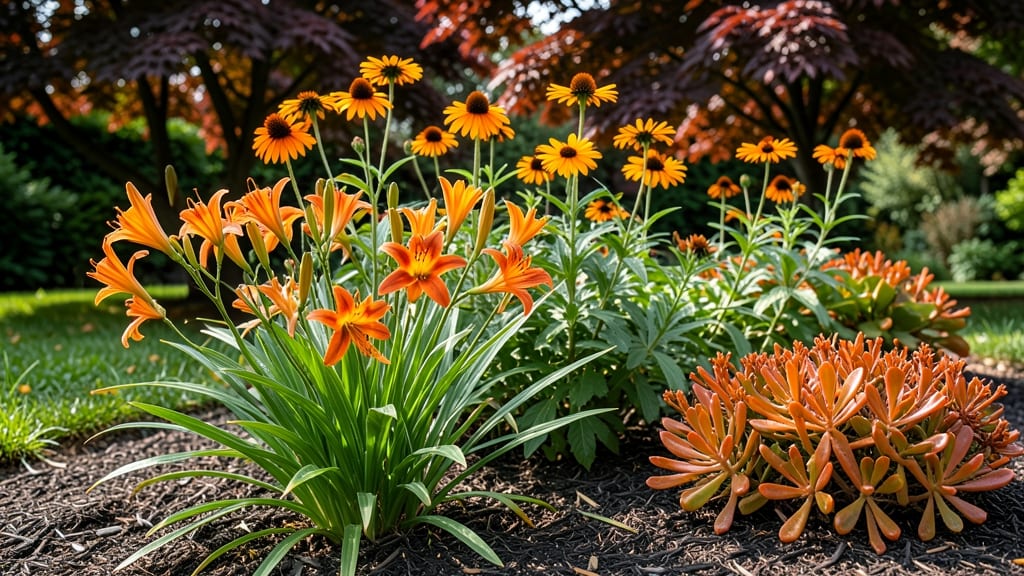
Orange perennials in Zone 5 can turn your garden into a sun-drenched masterpiece that thrives through winter. 🌿 I've learned which varieties actually survive our brutal winters and still bloom reliably—no more disappointed spring cleanups. The key is choosing plants that store energy underground and bounce back every year.
Start with daylilies (like 'Stella de Oro') or coreopsis ('Moonbeam'), both of which handle Zone 5 winters with ease. They need full sun (6+ hours daily) and well-draining soil—rocky or sandy spots work best.
Mulch heavily in fall to protect roots from freeze-thaw cycles, and you'll see them pushing new growth by early May.
By late summer, you'll have bold orange blooms that attract hummingbirds and bees while keeping weeds at bay. These perennials also handle drought once established, making them low-maintenance workhorses. The trade-off? Some may need staking if they get too leggy after heavy rains.
For extra insurance, add bee balm ('Firebird')—it's a bit more tender but often recovers from winter dieback. The secret is planting in sheltered spots where snow lingers longer, buffering temperature swings. With these picks, your orange garden will outlast the snow.
📚 In This Guide
- What you need
- Instructions
- Tips and common mistakes
- Wrapping up and next steps
What you need
- ● Orange perennials (Zone 5-hardy varieties): Daylilies (Hemerocallis) – 3–5 plants
- ● Bee balm (Monarda) – 1–3 plants
- ● Butterfly weed (Asclepias tuberosa) – 3–5 plants
- ● Orange coneflower (Echinacea ‘Orange Beauty’) – 3 plants
- ● Sedum (Sedum ‘Autumn Joy’) – 5–7 plants
- ● Soil prep: Compost (1–2 bags, 5–10 lbs each)
- ● Organic mulch (straw or shredded bark, 2–3 cubic feet)
- ● Slow-release fertilizer (10–10–10, 1 lb per 100 sq ft)
- ● Planting tools: Garden trowel (6–8" blade)
- ● Hand pruners (bypass blades)
- ● Garden fork (for aerating soil)
- ● Watering can or hose with gentle spray nozzle
- ● Epsom salt (for magnesium boost, 1 tbsp per plant)
- ● Plant supports (stakes or cages for tall varieties like bee balm)
- ● Drip irrigation kit (for consistent moisture)
- ● Orange-tolerant companion plants (e.g., Salvia or Russian sage)
How to select and plant cold-hardy orange perennials in Zone 5
Here's my proven approach to adding vibrant orange blooms that thrive through Zone 5 winters.
🌱 Step 1: Choose Reblooming Orange Perennials for Zone 5
Focus on proven cold-hardy varieties that deliver multiple bloom cycles. Core options include daylilies (Hemerocallis), bee balm (Monarda), and orange coneflower (Echinacea). I recommend 'Stella de Oro' daylily for its 3-inch blooms and 4-inch tall habit, perfect for borders. For height, 'Sundance' bee balm reaches 3-4 feet with dramatic foliage.
Check the USDA Hardiness Zone label on nursery tags—all three varieties survive Zone 5 winters with minimal protection. Avoid tropical orange perennials like canna lilies, which die back to the ground in Zone 5 and require digging up tubers annually. Instead, plant orange butterfly weed (Asclepias tuberosa) for drought tolerance and pollinator support.
☀️ Step 2: Select Planting Sites with Morning Sun
Orange perennials thrive in full sun to partial shade, but morning sun prevents afternoon leaf scorch in hot summers. Choose locations with 6+ hours of direct sunlight daily. I plant mine along south-facing fences where they receive morning warmth and afternoon shade from nearby shrubs.
Test soil drainage before planting—orange perennials like well-draining soil to prevent root rot. Dig a 6-inch deep hole and fill it halfway with water. If it drains within 15 minutes, the site is suitable. Amend heavy clay with 2-3 inches of compost to improve structure.
🪴 Step 3: Plant at Correct Depth and Spacing
Set plants at the same depth they were in their nursery pots to avoid stress. For daylilies, space 18-24 inches apart—they spread aggressively and form clumps. Bee balm needs 24-36 inches of space to mature without crowding. Dig holes twice as wide as the root ball to encourage root expansion.
Backfill with native soil mixed with 1 cup of bone meal per plant to boost phosphorus for strong roots. Water deeply to eliminate air pockets, then mulch with 2 inches of shredded bark to retain moisture. Avoid fresh wood chips, which can steal nitrogen from young plants.
💧 Step 4: Establish Watering Routine for First Season
Water newly planted perennials deeply once weekly during the first growing season. Aim for 1 inch of water per week, delivered either through rainfall or irrigation. I use a soaker hose to water at the base, avoiding wetting foliage to prevent fungal diseases like powdery mildew.
Check soil moisture by pushing a finger 2 inches deep—if it feels dry, water again. Once established (after 2-3 years), these perennials tolerate drought conditions but bloom more prolifically with consistent moisture. Reduce watering in late summer to harden off plants before winter.
✂️ Step 5: Prune for Reblooming and Winter Protection
After the first bloom cycle (typically June-July), cut back spent flower stalks to encourage a second flush of blooms in late summer. For daylilies, trim foliage back by half in early fall to reduce winter dieback. Bee balm may self-seed aggressively—pull unwanted seedlings in spring before they establish.
Mulch heavily (4-6 inches) with straw or leaves before the first frost to insulate roots. In Zone 5, where winters dip below 0°F, add a light layer of evergreen boughs over sensitive varieties like orange coneflower. Remove mulch in early spring once temperatures consistently stay above 40°F.
Tips & tricks for cold-hardy orange perennials in Zone 5
Here's what I've learned from years of growing vibrant orange perennials that survive Zone 5 winters—tricks that make all the difference between struggling plants and showstopping blooms.
Variety Selection Wisdom: When choosing between daylilies, bee balm, and orange coneflower, consider your garden's scale. 'Stella de Oro' daylilies create dense borders with their 3-inch blooms, while 'Sundance' bee balm adds vertical drama at 3-4 feet. For pollinator power, orange butterfly weed thrives in poor soil and attracts monarchs—perfect for sunny, neglected corners. I always check nursery tags for USDA Zone 5 hardiness labels to avoid tropical imposters like canna lilies.
Soil Test Hack: That 15-minute drainage test in Step 2 is non-negotiable. If water pools after 15 minutes, your site needs amending—heavy clay soils can strangle roots. For quick fixes, mix in 2-3 inches of compost and consider raised beds if drainage remains poor. I've seen orange perennials thrive in amended clay that would otherwise bake dry in summer.
Mulching Strategy: The 4-6 inch mulch recommendation in Step 5 isn't just for winter protection—it's a year-round game changer. In summer, mulch insulates roots from heat stress, while in winter it acts as a thermal blanket. I use straw for its excellent moisture retention and weed suppression, but shredded leaves work too. Just avoid fresh wood chips—they rob nitrogen from young plants.
Pruning Timing: The June-July first bloom cycle is your cue to prune spent stalks for that second flush. For daylilies specifically, I wait until after the first frost to trim foliage back by half—this prevents winter dieback while still allowing foliage to photosynthesize until late fall. Bee balm's aggressive self-seeding means I pull seedlings in early spring before they establish, giving my chosen plants all the nutrients.
Pro Tips for Orange Perennials Zone 5
- Here's what I've learned from years of growing vibrant orange perennials that survive Zone 5 winters—tricks that make all the difference between struggling plants and showstopping blooms.
- Variety Selection Wisdom: When choosing between daylilies, bee balm, and orange coneflower, consider your garden's scale.
- Soil Test Hack: That 15-minute drainage test in Step 2 is non-negotiable.
Frequently asked questions
Got questions about growing orange perennials in Zone 5? You’re not alone! Here are some of the most common concerns—and their answers—to help you keep your garden bursting with color year after year.
Can orange perennials survive Zone 5 winters?
Many orange perennials, like Hellebores (Lenten Rose) or Berberis thunbergii (Dwarf Japanese Barberry), are fully cold-hardy to Zone 5 (-20°F). Others, like Coral Bells (Heuchera), may need mulch protection in harsh winters. Always check the specific plant’s hardiness zone before planting.
When is the best time to plant orange perennials in Zone 5?
For spring planting, aim for early spring (as soon as the ground is workable) to give roots time to establish before summer heat. Fall planting is ideal too—late August to October lets plants settle in before winter. Avoid planting in extreme heat or frost.
Do orange perennials rebloom in Zone 5, or just once?
It depends! Some, like Daylilies (Hemerocallis) or Bee Balm (Monarda), are rebloomers with proper care (deadheading spent blooms, dividing clumps every 3–4 years). Others, like Columbines (Aquilegia), bloom once but self-seed prolifically. Check the variety—some are bred specifically for repeat flowering!
What pests or diseases should I watch for with orange perennials?
Common issues include:
- Aphids or spider mites (sap-sucking pests) – Treat with neem oil or insecticidal soap.
- Fungal diseases (like powdery mildew) – Improve airflow and avoid overhead watering.
- Deer/browsing – Use repellents or plant in protected areas.
What are some low-maintenance orange perennials for beginners?
Start with these easy-care picks:
Plant
Zone 5 Hardiness
Care Level
Coral Bells (Heuchera)
3–9
Very low (drought-tolerant once established)
Daylilies (Hemerocallis)
3–9
Low (reblooms with deadheading)
Russian Sage (Perovskia) (silvery-blue but pairs well with orange)
5–9
Low (drought-resistant)
Wrapping up and next steps
Adding orange perennials to Zone 5 is a fantastic way to bring vibrant color and resilience to your garden, even in colder climates! From hardy daylilies to cheerful butterfly weeds, these plants thrive year after year with minimal fuss.
Whether you're a seasoned gardener or just starting out, embrace the beauty of these cold-loving blooms—they’ll reward you with stunning displays season after season.
Ready to transform your space? Start small—pick one or two varieties, plant them in sunny spots, and watch your garden glow with effortless charm! 🌸