
Flowers
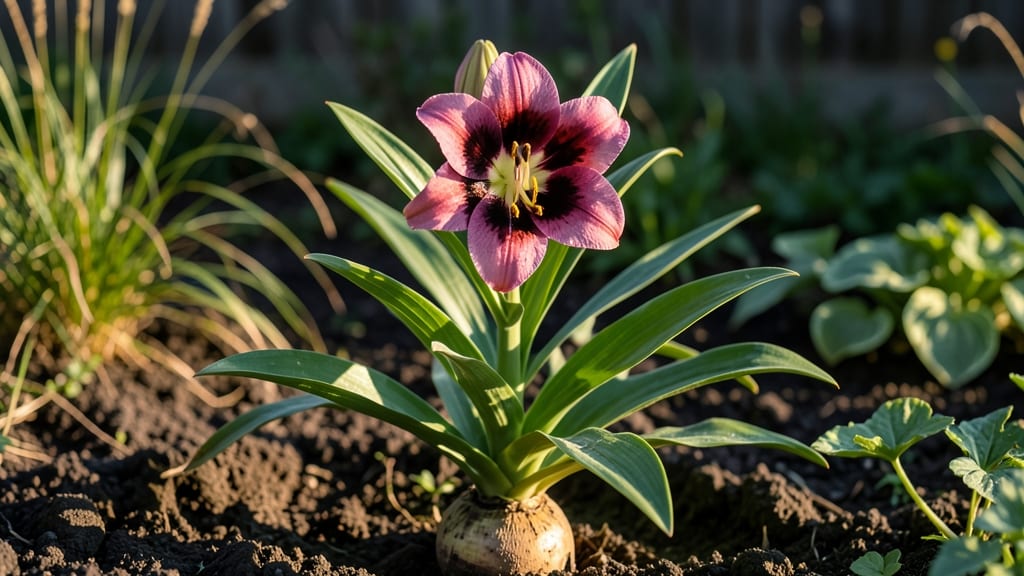
The oriental lily is a perennial—not an annual—that comes back bigger every year. 🌱 I've grown them for five seasons, and they've never failed to surprise me with their bold blooms and resilience, even after winter's freeze.
Most gardeners assume lilies die back to nothing, but oriental lilies store energy underground, then burst back with 6-foot stems by midsummer. The key is planting bulbs 6-8 inches deep in well-draining soil—they hate soggy roots but love consistent moisture once established.
You'll get the first showstopping blooms in late summer, followed by a second flush in fall if you deadhead spent flowers. Their fragrance lingers at dusk, and deer leave them alone—unlike many other perennials. For cold zones, mulch heavily in fall to protect the crown.
In warm climates, they'll even naturalize over time, spreading their own bulbs for free. That's the magic of a true perennial!
📚 In This Guide
- What you need
- Instructions
- Tips and common mistakes
- Wrapping up and next steps
What you need
- ● Oriental Lily Bulbs: High-quality, disease-free bulbs (choose cold-hardy varieties like 'Stargazer', 'Casa Blanca', or 'Black Out'). Quantity: 3–5 bulbs per planting area (for full visual impact).
- ● Well-Draining Soil: Amend garden soil with compost (50% soil, 50% organic matter) or use a potting mix for containers. pH: 6.0–7.0 (neutral to slightly acidic).
- ● Planting Site: Full sun (6+ hours of direct sunlight daily).
- ● Sheltered location (protection from strong winds).
- ● Space: 12–18 inches apart in rows (or 18–24 inches for large varieties).
- ● Mulch: Organic mulch (e.g., straw, shredded bark, or pine needles) to retain moisture and insulate roots. Depth: 2–3 inches.
- ● Fertilizer: Balanced fertilizer (10-10-10) at planting time.
- ● Slow-release bulb fertilizer (e.g., 5-10-10) in early spring.
- ● Watering Can or Hose: With a gentle spray nozzle (to avoid displacing bulbs).
- ● Garden Gloves: For protection while handling bulbs and soil.
- ● Container Gardeners: Large pots (12+ inches deep) with drainage holes + cactus/succulent mix for extra drainage.
- ● Pest Control: Neem oil or insecticidal soap (for aphids or thrips).
- ● Staking: Bamboo stakes (for tall varieties like 'African Queen').
- ● Soil Thermometer: To monitor 60°F+ soil temps before planting in cool climates.
- ● Plant Tags: For tracking varieties and care notes.
Understanding oriental lilies: how to cultivate cold-hardy rebloomers
These stunning flowers defy expectations—here’s how to grow them as perennials in colder climates.
🌱 Step 1: Choose the Right Variety for Your Climate
Oriental lilies thrive as perennials in USDA Zones 4-9, but not all varieties handle cold equally. Select cold-hardy rebloomers like 'Stargazer', 'Casa Blanca', or 'Siberia'—these tolerate temperatures down to -20°F without winter protection. Avoid tropical hybrids like 'African Queen', which die back in frost.
Check your hardiness zone and match lilies accordingly. I always verify the specific cultivar's cold tolerance label—some labeled "hardy" still need mulch in Zone 5 winters. Plant in full sun (6+ hours daily) for best blooming, though they tolerate partial shade in hot climates where afternoon sun is intense.
☀️ Step 2: Plant in Well-Draining Soil with Proper Spacing
Oriental lilies despise soggy roots—amend heavy clay soil with organic matter (compost or aged manure) to improve drainage. Dig a hole twice as wide as the root ball but only as deep as the top of the bulb was in its original container. This prevents rot while allowing bulbs to establish.
Space bulbs 12-18 inches apart—crowding reduces air circulation, increasing fungal risks like botrytis. I plant in early fall (6-8 weeks before first frost) for root establishment before winter, or in early spring (as soon as soil is workable) to avoid summer planting stress. Mulch heavily (3-4 inches) after planting to protect roots in winter.
💧 Step 3: Water and Fertilize for Consistent Reblooming
Water deeply once a week during the first growing season to encourage root development, then reduce to every 10-14 days once established—unless your summer is extremely hot and dry. Oriental lilies show stress through yellowing leaves or dropped buds, both signs of inconsistent moisture.
Feed in early spring with a balanced bulb fertilizer (10-10-10) and again after blooming with low-nitrogen, high-phosphorus (5-10-10) to promote next year's flowers. I avoid high-nitrogen fertilizers—they produce lush foliage but fewer blooms. Deadhead spent flowers to redirect energy to bulb storage for next season.
✂️ Step 4: Protect Bulbs in Winter and Divide Every 3-4 Years
In Zones 4-5, add a 4-6 inch layer of mulch (straw or shredded leaves) after the ground freezes to insulate bulbs. Remove mulch in early spring before new shoots appear. In Zones 6-9, minimal mulch (2 inches) suffices unless winters are unusually harsh.
Divide clumps in early fall or spring when foliage yellows. Dig up bulbs, separate offsets with roots attached, and replant immediately. Discard soft, shriveled bulbs—they won’t regrow. This prevents overcrowding and rejuvenates blooming. I divide every 3-4 years to maintain vigor, though some varieties tolerate longer.
🌿 Step 5: Monitor for Pests and Diseases Year-Round
Watch for lily beetles (red with black spots) and thrips—both suck plant juices and stunt growth. Handpick beetles early in the day when they're sluggish, or use neem oil for thrips. Fungal diseases like botrytis appear as gray mold on buds or leaves; improve air circulation and avoid overhead watering to prevent outbreaks.
I inspect plants weekly during bloom season. Oriental lilies are generally low-maintenance, but these checks ensure they rebloom reliably year after year. Healthy plants develop thick stems, deep green leaves, and multiple buds per stalk—signs of proper care.
Tips & tricks for perfect oriental lily cultivation
Cold-hardy rebloomers need special attention—here’s how to avoid common pitfalls and maximize their beauty.
Variety Verification: Always double-check your cultivar's cold tolerance label before purchasing. While 'Stargazer' and 'Siberia' handle -20°F beautifully, some "hardy" varieties still require mulch in Zone 5 winters. I once bought a batch labeled "Zone 4 hardy" that needed extra winter protection—don't make my mistake! Cross-reference with your local extension service if unsure about your microclimate.
Soil Prep Secret: For clay-heavy soils, mix in equal parts compost and coarse sand to create ideal drainage. The key is achieving a texture that holds moisture but drains freely—think of it as creating a sponge-like environment. I test soil by squeezing a handful; if water beads up on the surface, you need more organic matter. This prevents that dreaded bulb rot that can wipe out entire plantings.
Planting Timing: The 6-8 week window before first frost is critical for fall planting. Use your average frost date as your starting point—most gardeners can find this online by searching "average frost date [their city]." I mark my calendar with a reminder 10 weeks out to ensure I'm ready. Spring planting works too, but gives you one less growing season to establish strong roots before winter.
Watering Wisdom: Oriental lilies show stress through yellowing leaves or dropped buds—both clear signs of inconsistent moisture. During extreme heat, increase to every 5-7 days rather than sticking to the 10-14 day schedule. I water in the early morning to reduce evaporation and fungal risks. The soil should feel moist 2-3 inches down; if it's dry, it's time to water again.
Pro Tips for Oriental Lily Annual Or Perennial
- Cold-hardy rebloomers need special attention—here’s how to avoid common pitfalls and maximize their beauty.
- Variety Verification: Always double-check your cultivar's cold tolerance label before purchasing.
- Soil Prep Secret: For clay-heavy soils, mix in equal parts compost and coarse sand to create ideal drainage.
Frequently asked questions
Got questions about growing oriental lilies? You’re not alone! These stunning blooms can be a bit tricky, but with the right care, they’ll reward you with year-round charm. Here are answers to the most common questions to help you grow like a pro.
Are oriental lilies annual or perennial?
Oriental lilies are perennial in USDA zones 4–9, meaning they’ll come back year after year with proper care. In colder climates (below zone 4), they may need winter protection or to be treated as annuals. Mulch heavily in fall to help them survive frost!
How long do oriental lilies take to bloom?
After planting, expect blooms in 2–3 years for established plants. If you’re growing from bulbs, they may flower the first year, but reblooming reliably takes patience. For faster results, choose pre-blooming bulbs or provide rich, well-draining soil and consistent water.
Can oriental lilies rebloom in the same season?
Yes! Many oriental lilies are rebloomers, producing two flushes of blooms per season—one in early summer and another in late summer/fall. To encourage reblooming, deadhead spent flowers, fertilize lightly after the first bloom, and ensure they get full sun (6+ hours/day).
What pests or diseases should I watch for?
Oriental lilies are generally tough, but watch for lily beetles (red larvae that skeletonize leaves) and botrytis blight (gray mold in humid conditions). Treat beetles with neem oil or insecticidal soap and improve airflow to prevent fungal issues. Rotate planting spots every few years to reduce disease buildup.
What’s a good alternative if oriental lilies don’t thrive in my climate?
If your zone is too cold or wet, try Asiatic lilies (hardier, earlier bloomers) or daylilies (perennial, drought-tolerant). For tropical climates, Stargazer lilies (a hybrid) or calla lilies are great substitutes. Each offers bold color with fewer fuss!
Pro Tip:
For reblooming success, divide clumps every 3–4 years in early spring. This rejuvenates plants and prevents overcrowding. Use a sharp knife to separate bulbs and replant immediately for minimal stress!
Wrapping up and next steps
So, whether you’re dreaming of bold, fragrant blooms that return year after year or just love the idea of a low-maintenance garden star, oriental lilies are your perfect match! 🌸 Their perennial nature—especially in colder zones—means you’ll enjoy their beauty season after season with minimal effort.
Ready to transform your garden? Start by choosing your favorite varieties, prepping the soil, and planting with confidence. Your future self (and your garden!) will thank you.
Next step: Grab your gloves, pick a sunny spot, and get growing—your oriental lilies are waiting to bloom! 🌱