
Lawn
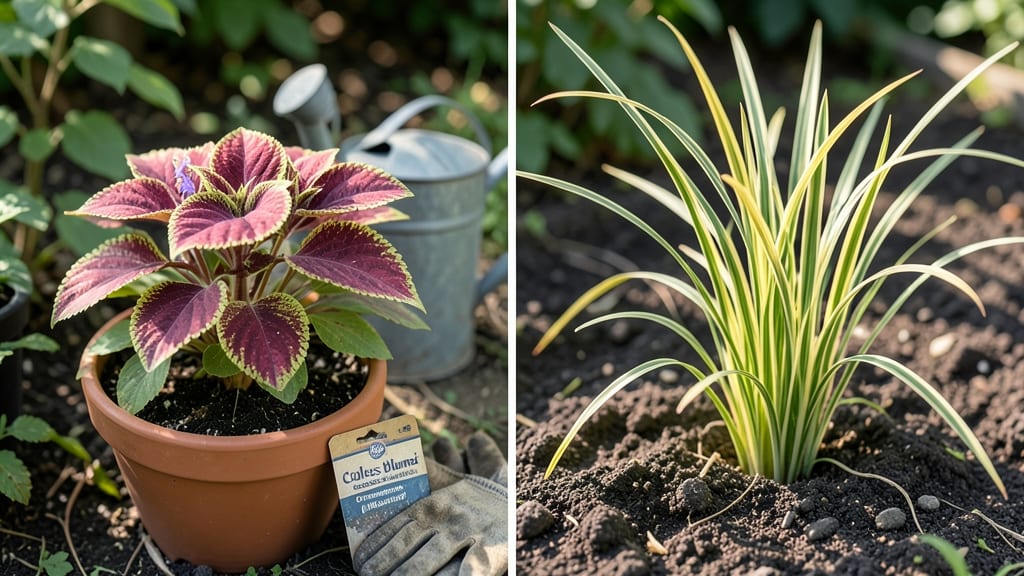
Growing perennial coleus and ornamental grass seeds is like unlocking a year-round color palette—except winter's frost still calls the shots. 🌿 I've learned the hard way that these bold beauties need perfect timing, patience, and a little seasonal strategy to make their vibrant comeback every spring.
The secret starts with soil that drains like a dream but holds moisture like a sponge. Plant coleus seeds just beneath the surface (¼ inch deep) and ornamental grass seeds twice as deep (½ inch), then water gently enough to keep them from washing away.
Most seeds sprout within 2-3 weeks if kept consistently warm—think 70°F—and moist but never soggy. By summer, you'll have lush foliage in jewel tones and grasses swaying in the breeze, but here's the plot twist: they'll go dormant in winter. That's not failure—it's their survival trick.
With proper care, they'll push back through the soil like clockwork when temperatures rise again. This method works for containers, borders, or even urban planters. The key is protecting them from harsh winters and giving them space to spread. Let's get those seeds started right!
📚 In This Guide
- What you need
- Instructions
- Tips and common mistakes
- Wrapping up and next steps
What you need
- ● Perennial coleus seeds – Choose cold-hardy varieties (e.g., Coleus blumei hybrids) labeled for your USDA hardiness zone.
- ● Ornamental grass seeds – Select winter-hardy options like Miscanthus sinensis or Carex oshimensis (check seed packet for zone compatibility).
- ● Well-draining potting mix – 10-15 lbs (for seed-starting trays) or 2-3 cubic feet (for in-ground planting).
- ● Seed-starting trays or biodegradable pots – 72-cell trays or 4-inch pots (1-2 trays or 10-12 pots per variety).
- ○ Grow lights or sunny windowsill – Full-spectrum LED grow lights (optional but ideal for 12-16 hours/day).
- ● Spray bottle or watering can – Fine mist setting to avoid displacing seeds.
- ● Garden soil amendment – Compost or peat moss (1-2 gallons) for enriching planting areas.
- ○ Mulch (optional but recommended) – Straw or shredded leaves (1-2 bags) to protect roots in winter.
- ● Heat mat – For faster germination (especially for coleus seeds).
- ● Plant labels – Waterproof markers to track varieties.
- ● Pruning shears – For trimming ornamental grasses post-planting.
- ● Fertilizer (balanced 10-10-10 or slow-release) – 1 lb per 100 sq ft of garden bed.
- ● Garden gloves – To protect hands during soil prep and planting.
Step-by-Step guide to growing perennial coleus and ornamental grasses
Here’s how to plant these vibrant perennials for year-round visual impact—even when winter brings dieback.
🌱 Step 1: Choose the Right Location and Prepare the Soil
Perennial coleus and ornamental grasses thrive in full sun to partial shade, depending on your climate. I always check the mature height of each variety—taller grasses (like fountain grass) need 6+ hours of sun, while smaller coleus (like 'Wicked' series) tolerate morning sun and afternoon shade. Test your spot by observing how much light it gets throughout the day.
Amend the soil with 2-3 inches of compost to improve drainage and fertility. These plants hate soggy roots, so if your soil drains poorly, mix in sand or perlite to create a looser texture. A soil pH between 6.0-7.0 works best—coleus and grasses are adaptable but grow best in slightly acidic to neutral soil.
🌿 Step 2: Plant Coleus and Grasses for Maximum Impact
Space coleus plants 12-18 inches apart to allow airflow and prevent fungal diseases. Dig holes just deep enough to accommodate the root ball without burying the crown—this ensures healthy regrowth in spring. For ornamental grasses, follow the spacing guidelines on the seed packet (typically 18-24 inches apart for clumping types like maiden grass).
Plant coleus in early spring after the last frost, while grasses can handle cooler soil. Gently firm the soil around each plant to eliminate air pockets, then water deeply to settle the roots. You’ll know it’s done right when the soil surface looks slightly compressed but not rock-hard.
☀️ Step 3: Water and Mulch for Year-Round Health
Water newly planted coleus and grasses once a week for the first month, keeping the soil 2-3 inches deep moist but not waterlogged. Once established, reduce watering to every 10-14 days, as these plants are drought-tolerant once their roots settle in. Mulch with 2-3 inches of shredded bark or straw to retain moisture and suppress weeds—just keep the mulch 2 inches away from plant stems to prevent rot.
In fall, reduce watering gradually as temperatures drop. Both coleus and grasses go dormant in winter, so let the soil dry out slightly between waterings. You’ll notice the coleus stems die back completely, but the roots stay alive underground, ready to burst back in spring.
✂️ Step 4: Prune and Maintain for Bold Foliage
Cut back coleus stems by one-third in early spring to encourage bushier growth. Remove any yellow or damaged leaves immediately—they spread disease and detract from the plant’s bold colors. For ornamental grasses, trim back dead foliage in late winter or early spring before new growth appears. You’ll see fresh, vibrant shoots emerge within 2-3 weeks of pruning.
Fertilize lightly in spring with a balanced 10-10-10 fertilizer to support new growth. Avoid over-fertilizing, which leads to leggy coleus or weak grass stems. In late summer, apply a low-nitrogen, high-potassium fertilizer to strengthen roots and prepare plants for winter.
⏰ Step 5: Plan for Winter Dieback and Spring Revival
Both coleus and ornamental grasses are hardy perennials that die back in winter but return stronger each spring. In late fall, stop fertilizing and reduce watering to every 3-4 weeks until the ground freezes. The coleus stems will turn brown and crispy, but the roots stay alive underground—this is normal and nothing to worry about.
In early spring, wait until you see new green shoots before pruning back dead foliage completely. This ensures you don’t accidentally cut off the emerging growth. Once the soil warms to 55°F+, water lightly to encourage regrowth. You’ll be rewarded with vibrant foliage by mid-spring, ready to brighten up your garden again.
Tips & tricks for growing perennial coleus and ornamental grasses
These simple strategies will help you get the most vibrant, long-lasting results from your bold perennials—without the guesswork.
Sunlight Strategy: I can't stress enough how critical this is—especially for coleus varieties with striking foliage. If you notice leaves losing their vivid colors, it's likely getting too much direct afternoon sun. Try moving potted coleus to a spot with morning sun and afternoon shade. For grasses, observe their natural growth patterns: fountain grass thrives in full sun, while maiden grass tolerates partial shade better. A quick test is to check your spot's sunlight patterns for a full day before planting.
Soil Secrets: The 2-3 inches of compost mentioned in Step 1 isn't just about nutrients—it's about creating the right texture. If your soil compacts easily (common in clay-heavy areas), mix in an extra inch of perlite to improve aeration. For heavy clay soils, I've had great success adding coarse sand to create pockets for root expansion. And here's a pro move: sprinkle a handful of worm castings into each planting hole—they're packed with beneficial microbes that help roots establish faster.
Watering Wisdom: That first month of weekly watering is crucial, but timing matters just as much as frequency. Water in the early morning so leaves have all day to dry, preventing fungal issues. I've found that watering deeply once a week (rather than light daily watering) encourages roots to grow deeper, making your plants more drought-resistant. For mulching, stick to the 2-3 inch recommendation—but if you're in a particularly hot climate, consider adding a layer of straw mulch on top of your shredded bark to reduce evaporation.
Winter Prep: When you reduce watering to every 3-4 weeks in late fall, don't stop completely—even dormant plants need moisture. Think of it like winterizing your car: you're not abandoning it, you're preparing it for the season. And here's a trick I learned: before the first hard freeze, give your grasses a final trim back to about 4-6 inches. This helps prevent them from flopping over under snow weight and makes spring cleanup easier. Just avoid cutting into old growth—always trim just above the new growth nodes.
Pro Tips for Perennial Coleus Ornamental Grass Seeds
- These simple strategies will help you get the most vibrant, long-lasting results from your bold perennials—without the guesswork.
- Sunlight Strategy: I can't stress enough how critical this is—especially for coleus varieties with striking foliage.
- Soil Secrets: The 2-3 inches of compost mentioned in Step 1 isn't just about nutrients—it's about creating the right texture.
Frequently asked questions
Got questions about growing perennial coleus and ornamental grass seeds? You’re not alone! Here are some of the most common queries—and their answers—to help you grow bold, winter-hardy plants with confidence.
Can perennial coleus survive winter dieback?
Yes! While coleus often looks dormant in winter (thanks to frost), its roots stay alive underground. In milder climates (Zones 9–11), it may regrow in spring. In colder areas, treat it as an annual and replant seeds each year for vibrant color.
How long does it take for ornamental grass seeds to germinate?
Germination time varies by type, but most ornamental grass seeds sprout in 10–30 days with consistent moisture and warmth (60–75°F). Keep soil lightly damp and patient—some varieties (like fountain grass) can take up to 6 weeks!
What’s the best way to overwinter perennial coleus?
Dig up tubers in fall, trim foliage, and store them in dry peat moss or sand in a cool (40–50°F), dark place. Replant in spring when soil warms. For grass seeds, mulch heavily or cut back dead growth to protect roots.
Can I mix coleus and ornamental grass seeds in the same bed?
Coleus thrives in partial shade, while many ornamental grasses love sun or partial shade—perfect companions. Just space them 12–24 inches apart for a layered, textured look. Pro tip: Use grasses as vertical accents behind coleus for drama!
Why aren’t my seeds sprouting?
Check these fixes:
- Moisture: Seeds need consistent dampness (not soggy soil). Mist daily or use a humidity dome.
- Temperature: Too cold? Try a heat mat. Too hot? Move to a shadier spot.
- Light: Some seeds (like shade-loving coleus) need indirect light to germinate.
- Freshness: Old seeds may fail—test viability with a simple water float test.
What’s a low-maintenance alternative to perennial coleus?
Try heuchera (coral bells) or sedge (Carex)—both offer year-round interest with minimal fuss. For grasses, maiden grass (Miscanthus) or blue fescue (Festuca) are drought-tolerant and easy to grow from seed.
Wrapping up and next steps
Transforming your garden into a vibrant winter wonderland is easier than you think with perennial coleus and ornamental grass seeds! These hardy plants bring bold colors and texture, even when other foliage fades—perfect for year-round visual appeal.
Whether you’re a seasoned gardener or just starting, the key is patience and the right techniques to nurture them through dieback and beyond.
Ready to take the next step? Start small—pick a sunny or partially shaded spot, gather your seeds, and dive in! Your garden’s winter charm awaits—just a few seeds and a little care away. 🌿✨