
Shrubs
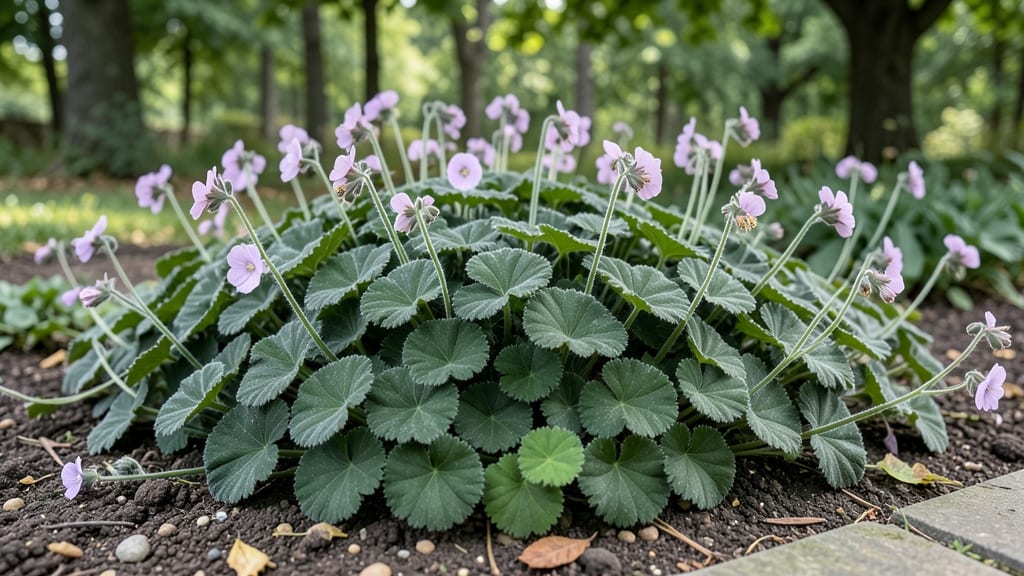
Shade-loving geraniums like Geranium macrorrhizum prove you don’t need sun for stunning blooms. 🌿 I’ve watched these cold-hardy perennials transform shady corners into fragrant, flower-filled havens—even where hostas struggle.
The secret lies in their deep roots and adaptable nature, which thrive in dappled light or partial shade where other plants fade. These shade-tolerant varieties need well-draining soil mixed with compost to prevent soggy roots, and they reward you with months of blooms from spring to fall.
Unlike their sun-loving cousins, they handle humidity better and resist the powdery mildew that plagues many shade plants. My Geranium phaeum spreads like a living carpet under my oak tree, its dark foliage and lavender-blue flowers drawing hummingbirds all season.
By mid-June, you’ll see vibrant clusters that keep coming wave after wave, even in the deepest shade. The key is light pruning after each flush of blooms to encourage bushier growth, and a balanced fertilizer in early spring to fuel their flowering.
They’re the unsung heroes of shady gardens—low-maintenance yet impossibly lush. Works in woodland gardens, under trees, or along north-facing walls—anywhere full sun won’t reach. The varieties I recommend handle USDA Zones 3-8, so they’re tough enough for early springs and late frosts too.
Let’s get those roots settled!
📚 In This Guide
- What you need
- Instructions
- Tips and common mistakes
- Wrapping up and next steps
What you need
- ● Perennial geranium plants: Choose shade-tolerant varieties like Geranium macrorrhizum (crawling geranium) or Geranium phaeum (dusky geranium). Buy 3–5 plants for a full, lush look.
- ● High-quality potting mix or garden soil: Use a well-draining mix (e.g., 50% peat moss or coco coir + 50% perlite/sand) to prevent root rot. For in-ground planting, amend heavy clay soil with 2–3 inches of compost.
- ● Organic mulch: 2–3 inches of shredded bark, pine needles, or straw to retain moisture and regulate soil temperature.
- ● Slow-release fertilizer: A balanced 10-10-10 or 5-10-10 formula (or organic options like fish emulsion or worm castings) to feed roots over time.
- ● Garden trowel or transplant spade (for digging holes 1.5x wider than the root ball).
- ● Pruners or shears (for trimming leggy stems or deadheading spent blooms).
- ● Garden gloves (to protect hands from thorns or rough soil).
- ● Watering can or hose with a gentle spray nozzle (geraniums hate soggy roots!).
- ○ pH testing kit (optional)—aim for 6.0–7.0; amend with lime (to raise pH) or sulfur (to lower it) if needed.
- ● A partially shaded spot with 2–4 hours of dappled sunlight (morning sun is ideal). Avoid deep, dark shade.
- ● Well-draining soil—geraniums hate waterlogged roots! Test drainage by digging a hole, filling it with water, and checking if it drains in 30–60 minutes.
- ● Patience for establishment: Perennial geraniums may take 2–3 weeks to adjust to their new home before blooming.
How to grow perennial geraniums in shady gardens
Shade-loving geraniums bring vibrant color without the sun—here's how to grow them successfully.
🌱 Step 1: Select the Right Geranium Varieties for Shade
Not all geraniums tolerate shade, so choose cold-hardy varieties like Geranium macrorrhizum (creeping charmer) or Geranium renardii (dark-leaved types). These thrive in partial to full shade and handle temperatures down to -20°F. Avoid traditional Pelargonium species—they need full sun and won't survive winter outdoors.
I always check the USDA hardiness zone on the seed packet—most shade geraniums are rated for zones 3-8. If you're in a colder zone, select varieties labeled "cold-hardy" to avoid winter die-off. These plants spread slowly but reliably, so a single plant can cover 1-2 square feet over time.
🪴 Step 2: Prepare the Planting Site
Shade geraniums prefer well-draining soil with organic matter—amend heavy clay with 2-3 inches of compost mixed into the top 6 inches of soil. They tolerate a wide pH range but grow best in slightly acidic to neutral soil (pH 6.0-7.0). If your soil is rocky or compacted, loosen it to a depth of 8-10 inches to encourage root growth.
Choose a location with dappled shade (filtered sunlight) or partial shade (3-6 hours of morning sun). Avoid deep, dark shade where they won’t bloom. I always test the spot by observing how other shade plants like hostas or ferns perform—if they thrive, the geraniums will too.
💧 Step 3: Plant at the Right Depth and Spacing
Dig a hole twice as wide as the root ball but only as deep as the container. This prevents burying the crown, which can cause rot. Space plants 12-18 inches apart—they spread slowly but will fill in over time. If planting from seed, sow ¼ inch deep and thin seedlings to the recommended spacing once they reach 2-3 inches tall.
Water deeply immediately after planting to settle the soil and remove air pockets. You’ll know it’s right when the soil surface looks slightly damp but not soggy. Mulch with 2-3 inches of shredded bark or leaves to retain moisture and suppress weeds. This is especially important in shade, where soil stays damp longer.
☀️ Step 4: Provide Care for Healthy Growth and Blooms
Water 1-2 times per week in the first growing season, keeping the soil evenly moist but not waterlogged. Once established, shade geraniums are drought-tolerant but bloom best with consistent moisture. You’ll see new leaves emerge within 3-4 weeks—this is your signal that roots are settling in.
Fertilize lightly in early spring with a balanced, slow-release fertilizer (10-10-10) applied at half strength. Too much nitrogen promotes leafy growth at the expense of flowers. Deadhead spent blooms regularly to encourage more flowers—pinch off faded stems just above a set of leaves. This keeps plants bushy and flowering for 6-8 weeks in ideal conditions.
✂️ Step 5: Winterize for Cold Hardiness
In fall, reduce watering as temperatures drop below 50°F to harden off the plants. Once the first frost blackens the foliage, cut back stems to 2 inches above the ground—this prevents disease and encourages fresh growth in spring. I always leave the mulch in place through winter to insulate roots.
Shade geraniums are perennial, meaning they’ll return year after year with proper care. In early spring, remove old mulch and add a fresh 1-inch layer of compost to replenish nutrients. New growth should appear within 4-6 weeks—this is your cue to resume regular watering and fertilizing.
Tips & tricks for thriving shade geraniums
These little-known strategies will help your shade-loving geraniums flourish year after year without the sun.
Variety Verification: When selecting your shade geraniums, don't rely solely on the label—cross-reference with the USDA hardiness zone map for your area. Some nurseries may mislabel plants, especially in transitional zones. I've seen Geranium macrorrhizum thriving in zone 4 gardens where the label claimed zone 5. The key is looking for plants that have already proven cold-hardy in your specific region.
Soil Test Insight: Before amending your soil with compost, conduct a simple pH test using a home kit (they're under $10). Shade geraniums tolerate a wide range of pH, but they perform best between 6.0-7.0. If your soil tests below 6.0, add a handful of dolomitic lime to the planting hole. For soils above 7.0, incorporate a bit of peat moss or sulfur. This small adjustment can dramatically improve root development and flowering.
Light Observation Technique: The 3-6 hours of morning sun mentioned in Step 2 is crucial—but not all morning light is equal. Observe your garden's light patterns throughout the day. East-facing windows or areas near deciduous trees that lose leaves in winter often provide the perfect dappled light. If your spot gets intense afternoon sun (even in shade), the plants may still struggle. I recommend planting near hostas or ferns first—they're excellent light indicators for geraniums.
Winter Mulch Strategy: That 2-inch winter mulch recommendation is non-negotiable, but here's the pro move: use straw or shredded leaves instead of bark mulch. Bark mulch can compact over winter and create a barrier that prevents water from reaching the soil. Straw allows moisture to penetrate while still insulating roots. In particularly cold climates (below zone 5), add an extra 1-2 inches of mulch—it can make the difference between winter survival and spring die-off.
Pro Tips for Perennial Geranium For Shade
- These little-known strategies will help your shade-loving geraniums flourish year after year without the sun.
- Variety Verification: When selecting your shade geraniums, don't rely solely on the label—cross-reference with the USDA hardiness zone map for your area.
- Soil Test Insight: Before amending your soil with compost, conduct a simple pH test using a home kit (they're under $10).
Frequently asked questions
Got questions about growing perennial geraniums in shady spots? You’re not alone!
Here are answers to the most common concerns to help you cultivate thriving, low-maintenance blooms—even in less sunny gardens.
Which perennial geranium varieties tolerate shade best?
Look for Geranium macrorrhizum (creeping geranium) or Geranium renardii—both handle partial to full shade (2–6 hours of sunlight). Avoid classic Pelargonium (annual bedding geraniums); they need full sun. For deep shade, pair with Heuchera or Astilbe for a layered effect.
How long does it take for shade-loving geraniums to establish and bloom?
With proper care, expect foliage to fill in within 4–6 weeks and blooms by mid-to-late summer (July–August). Young plants may take a year to fully naturalize, but patience pays off—once established, they’ll return yearly with minimal effort! Mulch helps speed up root growth in cooler climates.
Why aren’t my shade geraniums blooming? Troubleshooting tips.
Bloom reluctance often stems from too much shade (they need some light) or over-fertilizing (focus on phosphorus for flowers). Prune leggy stems in spring, and ensure well-draining soil—waterlogged roots = fewer blooms. If leaves look pale, they may need a light boost (try a nearby reflective surface).
Can perennial geraniums survive winter in cold climates?
These hardy plants tolerate USDA Zones 3–9. In cold regions (Zones 3–5), mulch heavily with straw or leaves after the first frost. Evergreen varieties like Geranium macrorrhizum stay green year-round, while others may die back but regrow from roots. Avoid winter watering—wet foliage invites rot.
What’s a great shade-tolerant alternative if geraniums don’t thrive?
Try these low-maintenance picks:
- Coral Bells (Heuchera): Stunning foliage, thrives in deep shade.
- Lungwort (Pulmonaria): Early blooms, drought-tolerant once established.
- Japanese Painted Fern (Athyrium): Textural contrast with minimal care.
- Hosta: Classic shade plant (but watch for slugs!).
Wrapping up and next steps
Growing perennial geraniums for shade is a rewarding way to add vibrant color and texture to your garden—even in low-light spots! 🌿 These cold-hardy beauties prove that shade-loving plants can still deliver stunning blooms with the right care.
Whether you’re a seasoned gardener or just starting out, their resilience and versatility make them a must-try for any garden style.
Ready to transform your shady areas? Start by selecting the right variety (like Geranium macrorrhizum or G. endressii) and give them the love they need—moist, well-draining soil and a little patience. Before you know it, your garden will be bursting with life, proving that shade doesn’t mean sacrificing beauty!