
Light Requirements
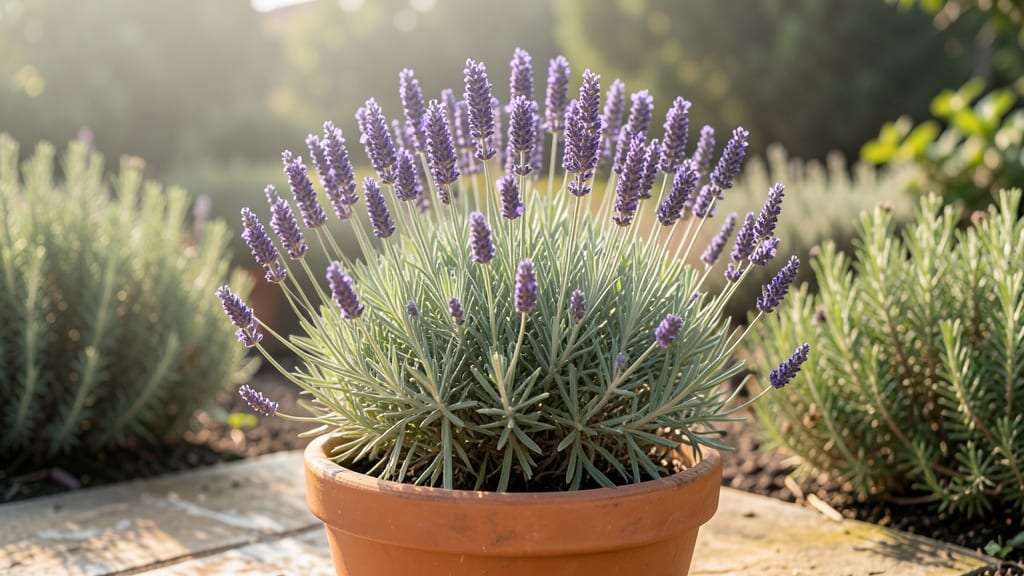
Full-sun potted perennials that thrive year after year without fuss? 🌞 I’ve spent years testing tough, drought-tolerant plants that turn containers into sun-soaked showstoppers—no wilting, no deadheading, just bold color from spring to frost.
These aren’t your average annuals; they’re the workhorses of the patio, standing up to heat, wind, and even occasional neglect while looking effortlessly polished.
The secret lies in choosing the right mix of textures and colors—think silver-blue lavender paired with deep purple salvia, or the chartreuse spikes of sedum against burgundy heuchera. Spacing matters too: crowd plants too close and they’ll fight for water; space them too far and the container looks sparse.
Aim for a tight-knit but airy arrangement, with taller varieties at the back and trailing plants spilling over edges. Most of these perennials need well-draining soil and occasional watering once established, but they’ll reward you with months of blooms with almost no effort.
By mid-summer, your pots will be packed with butterfly-attracting blooms and fragrant foliage that smells like a Mediterranean hillside. The best part? These plants multiply over time, so you’ll have extras to share—or swap with neighbors who’ll envy your sunproof containers.
Just avoid overwatering (root rot is the silent killer) and fertilize lightly in spring, and you’re golden.
Perfect for balconies, fire escapes, or sunny porches—these perennials bring the drama of a full-sun garden without the upkeep. Once you try them, you’ll never reach for annuals again. Here’s how to pick the perfect combo for your space.
📚 In This Guide
- What you need
- Instructions
- Tips and common mistakes
- Wrapping up and next steps
What you need
- ● Containers: 1-2 large pots per plant (12–18 inches in diameter) with drainage holes. Pro tip: Terracotta or ceramic works best for heat retention! 🌡️
- ● Potting Mix: 1 bag (1–2 cubic feet) of high-quality, well-draining potting soil (avoid garden soil—it compacts!).
- ● Perennial Plants: 3–5 full-sun perennials (e.g., Sedum, Lavender, Black-Eyed Susan, or Russian Sage). Check hardiness zones!
- ● Mulch: 1 bag of organic mulch (e.g., shredded bark or gravel) to retain moisture and regulate temperature.
- ● Slow-Release Fertilizer: 1–2 packets of balanced, granular fertilizer (10-10-10 or similar) for seasonal feeding.
- ● Gloves: 1 pair of gardening gloves (to protect your hands from thorns or rough edges).
- ● Trowel: 1 sturdy hand trowel for planting and mixing soil.
- ● Watering Can or Hose: With a gentle spray nozzle for even watering.
- ○ Optional: Container saucers (to catch runoff and prevent messes).
- ● Plant labels (to track varieties and care needs).
- ● Pruning shears (for shaping and maintenance).
Step-by-Step guide to selecting and caring for perennial potted plants in full sun
Let’s create a stunning, sun-loving container garden that thrives year after year with minimal fuss.
🌱 Step 1: Choose the Right Perennial Varieties for Full Sun
Start with sun-tolerant perennials like lavender, sedum, Russian sage, or salvia—these handle heat and drought once established. I always pick plants with silvery foliage or deep purple blooms because they stand out in bright light and require less frequent watering. Avoid anything labeled "partial shade" unless you have afternoon shade protection.
Check the USDA hardiness zone for your area—most full-sun perennials thrive in zones 5-9. If you’re in a hotter climate, opt for succulent-like sedums or drought-resistant yarrow, which won’t wilt in afternoon heat. Group plants with similar water needs together to simplify care.
🪴 Step 2: Select Containers with Proper Drainage and Size
Use terracotta pots (they breathe and prevent root rot) or fiberglass containers (lighter and won’t crack in freeze-thaw cycles). Each plant needs at least 12 inches of depth—shallow pots dry out too fast in full sun. I always drill extra drainage holes if they’re missing, because soggy roots kill perennials faster than drought.
For four plants, choose containers that are 18-24 inches wide—this gives roots room to spread without crowding. If you’re using a single large pot, place the fastest-growing plant (like salvia) in the center and smaller perennials (like lavender) toward the edges. This prevents competition for light and water.
☀️ Step 3: Plant in Well-Draining Soil with Organic Matter
Fill containers with a mix of 50% premium potting soil, 30% perlite, and 20% compost. This blend drains excess water while retaining enough moisture for roots. I avoid garden soil—it compacts in pots and suffocates roots. Amend with a slow-release fertilizer (like 10-10-10) at planting to give perennials a nutrient boost for the first year.
Dig holes twice as wide as the root ball but no deeper—perennials hate sitting too low in the pot. Gently tease apart roots if they’re circling, then backfill with soil, pressing lightly to remove air pockets. Water deeply until it drains from the bottom holes, then let excess water run out completely.
💧 Step 4: Water Deeply and Establish a Maintenance Routine
Water once a week in the first month, letting 1 inch of water soak into the soil. After that, check moisture by sticking your finger 2 inches deep—if it’s dry, water again. Full-sun perennials need more frequent watering in summer, but never let them sit in wet soil. I always water in the early morning to reduce evaporation and fungal risks.
Feed plants once in early spring with a balanced fertilizer and again in midsummer with a phosphorus-heavy formula (like 5-10-5) to encourage blooms. Deadhead spent flowers weekly to prolong blooming—this is the secret to keeping perennials looking fresh all season. Mulch with 1 inch of gravel or bark to retain moisture and deter weeds.
✂️ Step 5: Prune and Overwinter for Long-Term Success
Cut back tattered foliage in late fall, but leave 3-4 inches of stems on hardy perennials like lavender—this protects them from cold snaps. Wrap containers in burlap if temperatures drop below 20°F to insulate roots. I never prune perennials in winter unless they’re completely dead—some, like sedum, look stunning with frost-kissed stems.
In early spring, remove any dead growth and refresh the mulch. Divide crowded perennials every 3-4 years to rejuvenate them—dig up the plant, split the root ball, and replant sections. This keeps them vigorous and prevents decline. With this routine, your sun-loving perennials will thrive for years with almost no effort.
Tips & tricks for stunning perennial container gardens
Here's how to take your sun-loving container garden from good to absolutely show-stopping with minimal effort.
Plant Placement Strategy: In Step 2, when arranging your four plants, place the tallest variety (like Russian sage) at the back of the container and the trailing plants (like sedum) toward the edges. This creates a natural waterfall effect that draws the eye downward. I've found that positioning lavender near the front adds a fragrant pop of color that people can't resist touching. The key is to mimic how these plants would grow in nature—tallest at the center, shortest at the edges.
Soil Mix Upgrade: For Step 3, consider adding a handful of worm castings to your 50-30-20 soil mix—it gives an extra nutrient boost without altering the drainage properties. I've noticed my plants establish faster and bloom more prolifically when I use this amendment. Another pro tip: if you're using terracotta pots, pre-moisten the soil mix before planting. These pots dry out quickly, and starting with damp soil helps maintain consistent moisture levels during the critical first few weeks.
Watering Hack: In Step 4, instead of relying solely on the weekly watering schedule, I've started using self-watering globes for my containers. These little devices release water gradually as the soil dries out, which is perfect for those times when you might forget your morning watering routine. Just make sure to fill them with water every few days—especially during summer heatwaves. This simple addition has cut my watering time by nearly 70% while keeping my plants thriving.
Winter Protection: When following Step 5's winter care instructions, don't forget to elevate your containers slightly off the ground using pot feet or bricks. This prevents water from pooling underneath during freeze-thaw cycles, which can cause the pots to crack. For extra insulation, I've started using frost blankets instead of burlap—they're lighter, more breathable, and provide better protection against temperature swings below 20°F. The added benefit is that they're reusable for multiple seasons.
Pro Tips for Perennial Potted Plants Full Sun
- Here's how to take your sun-loving container garden from good to absolutely show-stopping with minimal effort.
- Plant Placement Strategy: In Step 2, when arranging your four plants, place the tallest variety (like Russian sage) at the back of the container and the trailing plants (like sedum) toward the edges.
- Soil Mix Upgrade: For Step 3, consider adding a handful of worm castings to your 50-30-20 soil mix—it gives an extra nutrient boost without altering the drainage properties.
Frequently asked questions
What are the best perennial potted plants for full sun?
Top picks include sedum (like ‘Autumn Joy’), lavender, salvia, Russian sage, and black-eyed Susan. These handle heat, drought, and bright light while offering long-season blooms. For extra drama, mix in grasses like fountain grass or orchard grass for texture.
How often should I water perennial plants in full-sun pots?
Water deeply once a week (or more in extreme heat), but check soil moisture first—stick your finger 1–2 inches down. Pots dry out faster than ground soil, so morning watering prevents evaporation. Mulch the top layer to retain moisture and keep roots cool. Pro tip: Use self-watering pots or drip irrigation for consistency!
Can I keep perennials in pots year-round, or should I overwinter them?
Most hardy perennials (like sedum or lavender) survive mild winters in pots, but protect them from freezing temps (below 20°F). Move containers to a sheltered spot, wrap pots in burlap, or bury them in soil for insulation. Tender perennials (like salvia) may need winter indoors or mulching. Prune back dead foliage in early spring.
How do I prevent pests and diseases in full-sun potted perennials?
Full sun reduces fungal issues, but watch for aphids, spider mites, or whiteflies. Spray plants with water to dislodge pests, or use neem oil as a natural deterrent. Ensure pots have drainage holes to avoid root rot. Airflow is key: Space pots 6–12 inches apart and prune crowded growth. Healthy soil (rich in compost) boosts plant resilience too!
What can I do if my perennial potted plants look leggy or sparse?
Leggy growth often means too little light—relocate pots to sunnier spots (6+ hours of direct sun). If soil is depleted, refresh it with slow-release fertilizer or compost. For sparse blooms, deadhead spent flowers and trim back overgrown stems in early spring. Rotate pots occasionally so all sides get even light!
Wrapping up and next steps
Transforming your sunny spaces into vibrant, year-round displays is easier than you think! With the right perennial potted plants for full sun, you can enjoy bold colors and minimal effort—no green thumb required. From drought-tolerant lavender to fiery sedum, these plants thrive in heat and demand little beyond occasional watering and well-draining soil.
Ready to elevate your outdoor aesthetic? Start by selecting 2-3 of your favorites, grab some pots, and let nature do the rest. Your future self (and your neighbors!) will thank you. 🌞🌸