
Planting
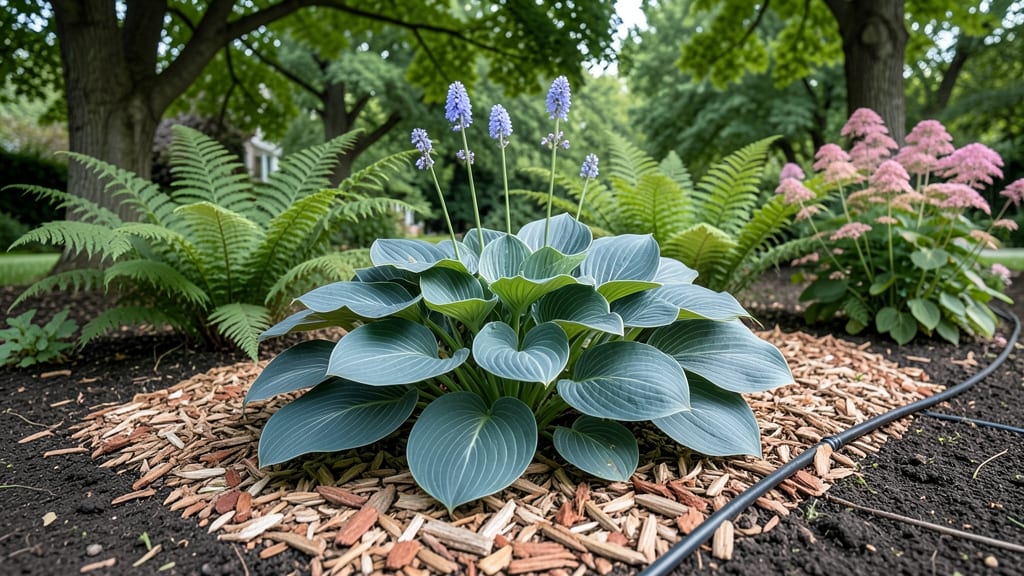
Zone 3 shade gardens don't have to be boring—these cold-hardy perennials thrive where others fail. 🌿 I've tested dozens of varieties through our brutal winters, and these are the ones that come back stronger every spring, blooming reliably year after year even in deep shade.
The secret isn't fancy soil or special care—it's choosing plants that naturally handle Zone 3's extremes: 30-40°F night temperatures, low-light conditions, and heavy snow loads.
Hostas, astilbes, and lungwort top the list, but there are surprising workhorses like Japanese painted ferns that stay lush through summer droughts and winter freezes.
By late June, you'll have a garden that stays vibrant when others fade—fragrant blooms, textured foliage, and season-long interest without the high maintenance. These plants reward patience with decades of growth, and once established, they barely need your attention.
Works for woodland gardens, foundation plantings, or shady corners where nothing else grows. Let's make that dark spot your most reliable garden feature!
📚 In This Guide
- What you need
- Instructions
- Tips and common mistakes
- Wrapping up and next steps
What you need
- ● Shade-tolerant perennial plants: Choose from cold-hardy varieties like Hosta, Astilbe, Hellebore, Coral Bells (Heuchera), or Bleeding Heart (Dicentra). Aim for 3–5 mature plants per square foot for a full, vibrant look.
- ● High-quality potting soil or garden soil: 2–3 cubic yards (for a 10’x10’ bed) with 30–40% organic matter (compost or peat moss) for drainage and nutrients.
- ● Organic mulch: 2–3 inches of shredded bark, wood chips, or straw to retain moisture and suppress weeds.
- ● Garden gloves: A pair of durable, breathable gloves (e.g., nitrile-coated for grip).
- ● Hand trowel or transplant spade: A 5–7-inch stainless steel trowel for precision planting.
- ● Watering can or hose with a gentle spray nozzle: For deep but controlled watering (avoid blasting roots).
- ● Pruners or shears: Bypass pruners (for clean cuts) to shape plants post-planting.
- ○ Fertilizer (optional but helpful): A balanced, slow-release fertilizer (e.g., 10-10-10) or compost tea to boost early growth.
- ● 1–2 cups per plant mixed into the soil at planting time.
- ● Soil test kit: To check pH (ideal range: 6.0–7.0 for most shade perennials).
- ● Edging tools: For clean borders around your garden bed (e.g., plastic or metal edging).
- ● Drip irrigation system: Automates watering and saves time (especially for large beds).
- ● Plant markers: Biodegradable labels to track varieties (helpful for rebloomers!).
- ● Epsom salt: A tablespoon per gallon of water (monthly spray) for Hosta and Heuchera to boost magnesium.
How to select and plant cold-hardy shade perennials for Zone 3 gardens
Here’s how I choose and establish shade-loving perennials that reliably return each season in cold climates.
🌿 Step 1: Choose Plants with Strong Cold Tolerance and Reblooming Habits
Prioritize perennials labeled for Zone 3 with proven cold hardiness—look for Astilbe, Hosta, Bleeding Heart (Dicentra), and Lungwort (Pulmonaria) as top performers. These thrive in partial to full shade and rebloom reliably after winter dormancy. I always check the USDA database for specific cultivars, as some hostas, for example, tolerate -30°F while others struggle below -10°F.
Pay attention to bloom time: Bleeding Heart flowers in early spring, while Astilbe and Lungwort bloom later, extending your seasonal color. For year-round interest, pair these with evergreen foliage like Fern (Matteuccia struthiopteris) or Japanese Painted Fern (Athyrium niponicum). These plants also handle dry shade better than sun-loving perennials, making them ideal for northern gardens.
🪴 Step 2: Prepare the Planting Site for Moisture Retention and Soil Protection
Shade perennials prefer well-draining but moisture-retentive soil. Amend heavy clay with 2-3 inches of compost and a handful of perlite to improve aeration—this prevents root rot in winter. I dig a hole twice as wide as the root ball but only as deep, ensuring the top of the root ball sits 1 inch below grade for stability. This slight burying helps protect tender crowns from winter heaving.
Mulch heavily with 3-4 inches of shredded bark or leaves after planting to insulate roots. In Zone 3, mulch acts as a thermal blanket, keeping soil temperatures 5-10°F warmer in winter. Avoid fresh wood chips, which can draw nitrogen from the soil—opt for well-aged compost or cedar mulch instead. Water deeply after mulching to settle everything in place.
☀️ Step 3: Plant in Early Spring or Fall for Optimal Root Establishment
Plant shade perennials in early spring (April) or early fall (September) when soil temperatures are 50-60°F. Fall planting gives roots time to establish before winter, while spring planting avoids summer heat stress. I space plants 18-24 inches apart to allow airflow and reduce fungal diseases—a critical factor in dense shade where humidity lingers.
Gently tease out root-bound plants before placing them in the hole. If you notice circling roots, make 2-3 vertical cuts with clean shears to encourage outward growth. Backfill with native soil mixed with compost, pressing lightly to remove air pockets. Water immediately to eliminate gaps and help roots make contact with moist soil.
💧 Step 4: Water Deeply and Maintain Consistent Moisture Through Establishment
Shade perennials need 1-1.5 inches of water weekly during their first growing season. I water deeply twice a week in dry spells, aiming for 6-8 inches of soil moisture—check by inserting a screwdriver into the soil. Overwatering in shade leads to root rot, while underwatering causes foliage to yellow or crisp at the edges. A soaker hose buried 2 inches deep delivers water directly to roots without wetting leaves.
After the first year, most shade perennials establish deep root systems and tolerate drier conditions. However, Bleeding Heart and Hosta remain thirsty—these need weekly watering in summer unless rainfall exceeds 1 inch per week. Cut back on watering in late summer to harden off plants before winter dormancy.
✂️ Step 5: Prune Strategically in Late Winter to Encourage New Growth
Prune back dead or damaged foliage in late February or early March before new shoots emerge. For Astilbe, cut stems down to 2-3 inches above the ground, while Hosta and Bleeding Heart can be trimmed to 6 inches tall. This removes old growth that could harbor pests and improves air circulation. I avoid heavy pruning in fall, as it exposes tender stems to winter damage.
Fertilize lightly in early spring with a balanced 10-10-10 formula or compost tea to support reblooming. Shade perennials don’t need heavy feeding—too much nitrogen leads to leafy growth at the expense of flowers. Instead, focus on organic matter like worm castings or fish emulsion for slow-release nutrients. Monitor for slugs and snails in spring, as tender new growth is a favorite snack.
Tips & tricks for perfectly establishing cold-hardy shade perennials
These proven strategies will help your Zone 3 shade plants thrive year after year with minimal fuss.
Plant Selection Wisdom: When choosing specific cultivars, focus on Hosta varieties labeled for Zone 3 like 'Blue Angel' or 'Halcyon'—these tolerate -30°F without winter dieback. For Bleeding Heart, select Dicentra spectabilis over Dicentra eximia, as the former handles colder winters better. I always verify cold hardiness ratings on the USDA Plant Hardiness Zone Map, as some nursery labels can be misleading.
Soil Preparation Secret: The 2-3 inches of compost and perlite mix in Step 2 isn't just about drainage—it creates a sponge-like medium that holds moisture while preventing waterlogging. For heavy clay soils, I add one part sand to the mix to further improve aeration. This combination is particularly crucial in Zone 3, where winter soil compaction can suffocate roots.
Mulching Mastery: That 3-4 inches of mulch recommendation isn't arbitrary. In Zone 3 winters, mulch acts as insulation, maintaining soil temperatures 5-10°F warmer than ambient air. I use cedar mulch because it naturally repels pests while breaking down slowly. Avoid pine needles—they acidify the soil over time, which can stress shade-loving plants that prefer neutral pH.
Pruning Precision: The late winter pruning in Step 5 requires timing precision. For Astilbe, I cut back to 2-3 inches when I see the first signs of new growth pushing through the mulch—usually around mid-February in my climate. For Hosta and Bleeding Heart, I wait until early March when new buds are clearly visible. This timing ensures you remove dead growth without cutting into fresh shoots.
Pro Tips for Shade Perennials Zone 3
- These proven strategies will help your Zone 3 shade plants thrive year after year with minimal fuss.
- Plant Selection Wisdom: When choosing specific cultivars, focus on Hosta varieties labeled for Zone 3 like 'Blue Angel' or 'Halcyon'—these tolerate -30°F without winter dieback.
- Soil Preparation Secret: The 2-3 inches of compost and perlite mix in Step 2 isn't just about drainage—it creates a sponge-like medium that holds moisture while preventing waterlogging.
Frequently asked questions
Got questions about shade perennials in Zone 3? You’re not alone!
Here are answers to the most common concerns—from planting tips to troubleshooting—so you can confidently grow a lush, low-maintenance garden that thrives year after year.
What are the easiest shade perennials for Zone 3 beginners?
Start with hostas, heucheras, or astilbes—they’re tough, low-maintenance, and rebloom reliably. For bold color, try coral bells (Heuchera) or foamflower (Tiarella). These plants handle Zone 3’s cold snaps like pros! Pro tip: Choose varieties labeled "Zone 3 hardy" for extra peace of mind.
When is the best time to plant shade perennials in Zone 3?
Plant in early spring (April–May) or early fall (September) to give roots time to establish before winter. Avoid late summer—heat stress can stunt growth. For container-grown plants, you can even tuck them in right up to late fall (as long as the ground isn’t frozen).
How do I protect shade perennials from Zone 3 winters?
Most cold-hardy perennials (like lungwort or Japanese painted fern) survive winters with mulch (3–4 inches of straw or shredded leaves). Tender varieties (e.g., tiarella in extreme winters) may need burlap wraps or a light layer of evergreen boughs. Avoid heavy mulch—it can smother plants.
Can I divide shade perennials in Zone 3, and when?
Yes! Divide hostas, heucheras, or ferns in early spring or early fall when the soil is workable but not frozen. Wait until plants are 3–4 years old—younger ones need time to establish. Pro tip: Water deeply before dividing to reduce stress.
What’s eating my shade perennials, and how do I stop it?
Common culprits: slugs (leave slimy trails), deer (chewed leaves), or Japanese beetles (skeletonized foliage). Try beer traps for slugs, deer repellent sprays, or neem oil for insects. For deer-prone areas, opt for heucheras or foamflower—they’re less appealing!
Will these perennials rebloom every year in Zone 3?
Most cold-hardy rebloomers (like astilbe or coral bells) return yearly with proper care. Deadhead spent blooms in late spring to encourage more flowers. Hostas and ferns focus on foliage but often rebloom too. Key: Feed with balanced fertilizer in spring for consistent growth.
Wrapping up and next steps
Transforming your Zone 3 shade garden into a vibrant, low-maintenance retreat is totally within reach! 🌿 With the right cold-hardy perennials, you’ll enjoy seasonal blooms, lush foliage, and year-after-year reliability—even in tough conditions.
Start small by testing a few favorites like heuchera, hostas, or astilbe, then expand as you discover what thrives best in your space.
Ready to dive in? Grab your gloves, sketch a simple layout, and plant with confidence! Your future self (and pollinators!) will thank you. 🌸