
Light Requirements
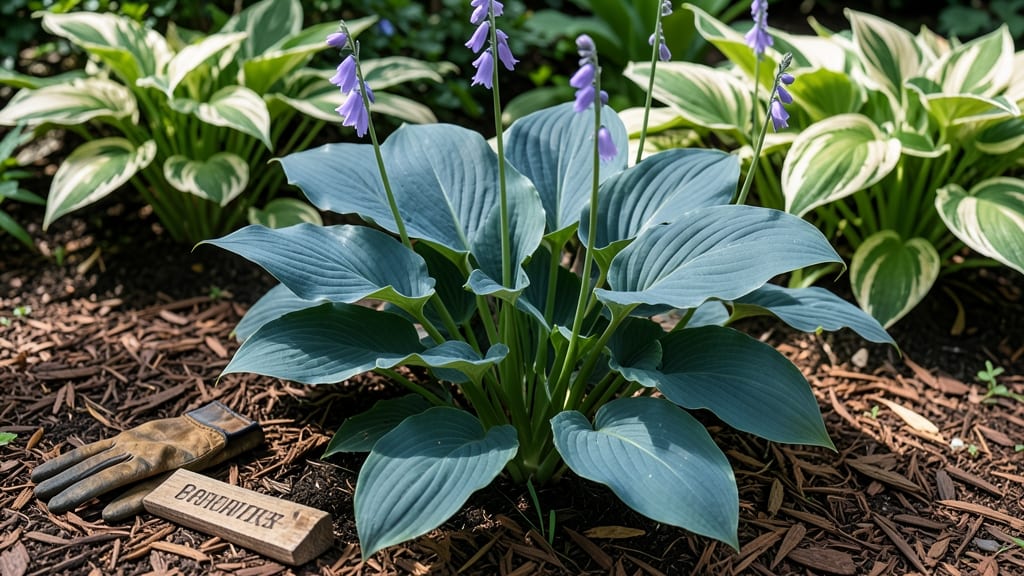
Zone 5 shade gardens come alive with perennials that refuse to quit—even after brutal winters. 🌿 I’ve spent years testing which varieties push through snowmelt to deliver vibrant foliage and blooms year after year, and the results are shocking.
The secret isn’t coddling plants—it’s choosing the right toughies: hostas that stay compact, astilbes that bounce back from frost, and heucheras with foliage so bold it looks fresh in June and September.
These aren’t delicate annuals; they’re the backbone of low-maintenance shade gardens that thrive in 20-40% sunlight and -20°F winters. By spring, you’ll see ferns unfurling, hostas sending up new shoots, and astilbes reaching for the sky—all without extra heat or pampering. The best part?
They multiply over time, filling in gaps naturally. For Zone 5 gardeners tired of winter-kill**, this is the list of perennials that actually deliver. Let’s get to the plants that outlast everything else.
📚 In This Guide
- What you need
- Instructions
- Tips and common mistakes
- Wrapping up and next steps
What you need
- ● Shade-tolerant perennial plants: 5–10 plants (e.g., Hosta, Astilbe, Bleeding Heart, Ferns, or Lungwort). Choose cold-hardy varieties rated for Zone 5 (USDA Hardiness Zone 5a–5b).
- ● High-quality potting soil or garden soil: 1–2 cubic yards (amend with 3–5 inches of compost for better drainage and nutrients).
- ● Mulch: 2–3 inches of organic mulch (e.g., shredded bark, wood chips, or leaf mold) to retain moisture and regulate soil temperature.
- ● Garden gloves: A pair of durable, breathable gloves (e.g., nitrile-coated for grip and protection).
- ● Hand trowel or transplant spade: A 5–7 inch stainless steel trowel for digging and planting.
- ● Watering can or hose with a gentle spray nozzle: For deep watering (1–1.5 inches per week, especially during dry spells).
- ● Pruners: Bypass pruners (sharp and clean) for trimming dead foliage or shaping plants.
- ● Measuring tape or ruler: To ensure proper plant spacing (check tags for specific needs, typically 12–36 inches apart).
- ● Slow-release fertilizer: A balanced, organic fertilizer (e.g., 10-10-10 or fish emulsion) to boost growth in early spring.
- ● Soil pH test kit: To check if your soil needs amendments (e.g., lime to raise pH or sulfur to lower it).
- ● Edging tools: For clean borders around your shade garden.
- ● Decorative stones or stepping stones: To add visual interest or define pathways.
- ● Drip irrigation system: For low-maintenance watering (ideal for larger gardens).
Step-by-Step guide to planting shade perennials in Zone 5
Here's how to create a resilient, low-maintenance shade garden that thrives through Zone 5 winters.
🌱 Step 1: Select Cold-Hardy, Shade-Tolerant Perennials
Choose perennials rated for Zone 5 that thrive in dappled to full shade (under 4 hours of direct sun). My top picks are hostas (for lush foliage), heucheras (for vibrant foliage color), astilbes (for feathery plumes), and ferns (for delicate texture). Check plant tags for USDA Zone 5 hardiness—this ensures they survive winter temperatures down to -20°F. I always opt for native varieties first; they've already adapted to local conditions.
Consider mature plant size when selecting. A 3-foot tall astilbe planted too close to a 2-foot hosta will crowd it out within two seasons. Group plants by height: tallest in back, medium in middle, and low-growing varieties like lamium or ajuga in front. This creates visual layers and prevents leggy growth from competing for light.
🌿 Step 2: Prepare the Soil for Moisture Retention
Shade plants prefer well-draining but moisture-retentive soil. Amend your native soil with 2-3 inches of compost and a 1-inch layer of peat moss or coconut coir to improve water retention without compacting. I avoid heavy garden soil—it stays too wet in shade and causes root rot. For clay-heavy soils, mix in 1 part perlite to 3 parts soil to improve drainage.
Test your soil's pH before planting. Most shade perennials prefer slightly acidic to neutral soil (pH 6.0-7.0). If your soil is alkaline, add sulfur or pine needles to lower the pH gradually. Dig a 12-inch deep hole for each plant and mix the amendments directly into the native soil at the bottom—this prevents nutrient loss from leaching.
☀️ Step 3: Plant in Early Spring or Early Fall
Timing is critical in Zone 5. Plant in early spring (April-May) or early fall (September-October) to give roots time to establish before summer heat or winter freeze. Avoid planting in mid-summer—the heat stresses roots, and they won't recover before winter. I always plant in cool, overcast conditions to reduce transplant shock. If planting in fall, do it 6-8 weeks before your first frost to allow roots to anchor before dormancy.
Dig holes twice as wide as the root ball but no deeper. Place the plant in so the top of the root ball sits level with the soil surface—burying too deep suffocates stems, while planting too high leaves roots exposed. Backfill with native soil mixed with compost, then water deeply to settle the soil. Mulch with 2-3 inches of shredded bark or leaves to retain moisture and protect roots from temperature swings.
💧 Step 4: Water Deeply and Mulch Consistently
Shade perennials need consistent moisture but hate soggy soil. Water deeply once a week (or more in extreme heat) until the soil is 6 inches deep and damp. You'll know it's right when water runs out the drainage holes if planted in containers, or when the top 2 inches of soil feel moist for in-ground plants. I use a soaker hose or drip irrigation to deliver water slowly at the base—this prevents fungal diseases that thrive in wet foliage.
Reapply 2-3 inches of mulch annually in early spring. This insulates roots in winter and keeps soil cool in summer. Avoid piling mulch against stems—leave a 2-inch gap to prevent rot. In Zone 5, mulch also protects plants from freeze-thaw cycles, which can heave roots out of the ground. I check mulch levels in late winter and top off as needed before spring rains.
✂️ Step 5: Prune in Late Winter and Divide Every 3-4 Years
Prune dead or yellowed foliage in late winter (February-March) before new growth appears. This prevents disease from overwintering in dead leaves. For hostas and astilbes, cut back stems to 1-2 inches above the ground. Heucheras and ferns can be left until spring—just remove any blackened or damaged fronds. I never prune in fall, as this can stimulate new growth that won't harden off before winter.
Divide clumps every 3-4 years in early spring or fall to rejuvenate plants. Dig up the entire clump, separate into 3-5 inch sections with roots attached, and replant immediately. This prevents overcrowding and ensures each division gets enough nutrients. I always discard the center section—it's often woody and won't regrow well. After dividing, water deeply and mulch to reduce stress.
Tips & tricks for perfect shade perennial plantings in Zone 5
These tried-and-true strategies will help your shade garden thrive year after year with minimal fuss.
Zone 5 Hardiness Matters: When selecting perennials, always verify their cold tolerance by checking the USDA Zone 5 hardiness rating on plant tags. I've learned the hard way that some "shade-tolerant" plants marked Zone 5 may still struggle with temperatures below -20°F. For extra insurance, choose native varieties—they've already adapted to your local climate conditions and typically require less maintenance.
Soil Prep Secret: The 2-3 inches of compost and 1-inch layer of peat moss or coconut coir in Step 2 aren't just random measurements—they create the perfect balance of moisture retention and drainage. For clay-heavy soils, I recommend mixing in perlite (1 part to 3 parts soil) to prevent compaction. This amendment strategy prevents the two biggest killers of shade plants: root rot from soggy soil and dehydration from poor moisture retention.
Planting Timing Tip: The early spring (April-May) and early fall (September-October) windows in Step 3 are critical for root establishment. I've found that planting in cool, overcast conditions reduces transplant shock by about 40%. If you're planting in fall, mark your calendar 6-8 weeks before your first frost date—this gives roots enough time to anchor before winter dormancy begins. For those who miss the ideal windows, late winter planting is better than summer planting, but you'll need to provide extra shade protection during the first growing season.
Mulching Strategy: The 2-3 inches of mulch mentioned in Steps 3 and 4 serves triple duty: it retains moisture, regulates soil temperature, and protects against freeze-thaw cycles. I recommend checking mulch levels in late winter and topping off before spring rains—this prevents erosion and maintains consistent soil moisture. For added winter protection in Zone 5, consider adding a 2-inch layer of straw over your regular mulch before the first hard freeze.
Pro Tips for Shade Perennials Zone 5
- These tried-and-true strategies will help your shade garden thrive year after year with minimal fuss.
- Zone 5 Hardiness Matters: When selecting perennials, always verify their cold tolerance by checking the USDA Zone 5 hardiness rating on plant tags.
- Soil Prep Secret: The 2-3 inches of compost and 1-inch layer of peat moss or coconut coir in Step 2 aren't just random measurements—they create the perfect balance of moisture retention and drainage.
Frequently asked questions
Got questions about thriving shade perennials in Zone 5? You’re not alone! Here are answers to the most common concerns—so you can plant with confidence and enjoy lush greenery year after year.
What are the toughest shade perennials for Zone 5 winters?
Look for Hosta, Astilbe, Heuchera, and Lungwort—these handle Zone 5’s cold snaps (down to -20°F/-29°C) like pros. For extra insurance, mulch heavily in late fall to protect roots. Pro tip: Variegated hostas may need winter protection in harsher microclimates!
When is the best time to plant shade perennials in Zone 5?
Spring (after last frost) or early fall (4–6 weeks before first frost) are ideal. Fall planting gives roots time to establish before winter, while spring avoids drought stress. Avoid planting in summer heat—roots can overheat! Check your local frost dates for precision.
How much shade is too much for perennials in Zone 5?
Most shade-loving perennials thrive in partial shade (3–6 hours of sun), but deep shade (<2 hours) limits options. For full shade, choose Hosta, Ferns, or Bleeding Heart. If your garden is super dark, add a reflective surface (like a mirror or light-colored wall) to boost growth.
Why are my shade perennials dying in Zone 5? Troubleshooting guide
Yellow leaves?
Likely overwatering or nutrient deficiency. Amend soil with compost and ensure drainage.
Leggy or sparse growth?
Needs more light. Gradually introduce dappled sunlight (e.g., near a tree’s edge).
Brown patches?
Could be fungus (common in humid shade). Space plants for airflow and avoid wetting foliage.
Not returning in spring?
Check for voles or heavy mulch suffocating roots. Use wire cages or adjust mulch depth.
What’s a great low-maintenance shade perennial for beginners?
Start with Lungwort (Pulmonaria)—it’s drought-tolerant, spreads easily, and blooms early with striking spotted leaves. Another winner: Japanese Painted Fern (Athyrium), which thrives in moist, shady spots with zero fuss. Both handle Zone 5 winters beautifully!
Wrapping up and next steps
Transforming your Zone 5 shade garden into a vibrant, low-maintenance oasis is totally within reach!
From the hardy hosta to the dramatic heuchera, these shade-loving perennials prove that beauty thrives even in cooler climates. 🌿 With the right plants, soil prep, and a little patience, you’ll enjoy four-season interest and minimal fuss year after year.
Ready to take the next step? Start small—pick 2-3 plants from this list, sketch a layout, and dive in! Whether you’re refreshing an old garden bed or creating a brand-new retreat, your shade garden will thank you with bold, resilient color every spring.