
Watering
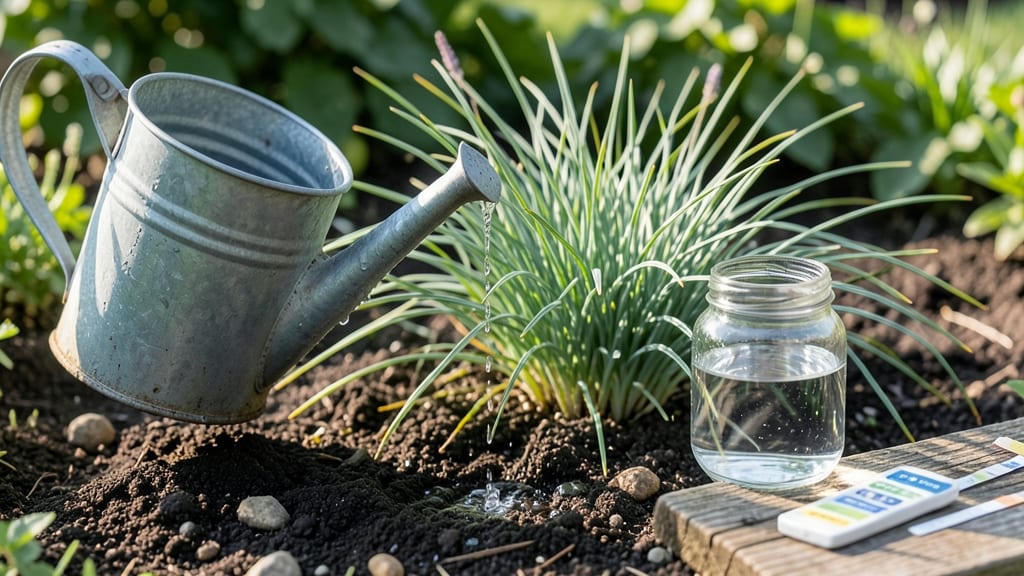
Soft water on plants disrupts growth by stripping essential minerals like calcium and magnesium, leading to yellowing leaves, nutrient deficiencies, and weak stems over time. This imbalance alters soil chemistry, requiring natural solutions such as compost tea or mineral-rich amendments to restore plant health.
When your water lacks the minerals plants need to thrive, you'll notice subtle but telling signs first: leaves that yellow at the edges, stems that feel unusually soft, or new growth that just doesn't pop with vigor. 🌱 The real issue?
Soft water dissolves nutrients too easily, leaving soil depleted of calcium and magnesium—key building blocks for strong cell walls. I've seen this most dramatically with tomatoes and peppers, where blossom-end rot (a classic calcium deficiency) becomes a recurring nightmare.
The good news? Simple fixes like sprinkling Epsom salt around the base or using rainwater can make a world of difference within weeks.
What's fascinating is how this plays out in different soil types. Sandy soils show problems faster because they drain so quickly, while clay holds onto what little minerals exist—just not enough to support healthy growth long-term.
That's why I always recommend testing your water's hardness before blaming your green thumb. A quick DIY test with soap (if it lathers easily, you've got soft water) can save you from unnecessary frustration.
For container gardens, the solution gets even easier: just mix a handful of crushed eggshells into your potting mix before planting.
Those shells release calcium slowly, giving your plants exactly what they need without overloading the soil. 💫 It's one of those gardening hacks that feels too simple to work—but it does.
💡 In This Article
- How Soft Water Affects Soil and Plant Nutrition
- Natural Fixes for Soft Water Damage in Gardens
How soft water affects soil and plant nutrition
Soft water lacks the essential minerals—particularly calcium and magnesium—that plants rely on for structural integrity and metabolic processes. When you water with soft water, the soil loses these critical nutrients through leaching, leaving plants starved of what they need to build strong cell walls.
This deficiency often shows up first as yellowing leaves, especially along the edges, because the plant prioritizes sending nutrients to new growth over older foliage. 🌿 Calcium, for example, acts like a glue for cell walls, while magnesium is central to chlorophyll production—without it, photosynthesis slows dramatically.
The pH imbalance caused by soft water compounds the problem. Most plants thrive in slightly acidic to neutral soil (pH 6.0-7.0), but soft water often skews the soil toward alkalinity over time, reducing nutrient availability. For instance, phosphorus—another vital nutrient—becomes locked away in alkaline soils, making it inaccessible to roots.
This is why plants irrigated with soft water frequently exhibit stunted growth and weak stems, unable to support themselves properly. Even fruits and vegetables suffer, becoming smaller or developing poor flavor due to these underlying deficiencies.
Consider how calcium deficiency manifests: blossom-end rot in tomatoes is a classic symptom, where the fruit's bottom turns mushy and brown.
This happens because calcium can't move efficiently through the plant's vascular system when soft water leaches it away. 🍅 Magnesium deficiency shows up as interveinal chlorosis (yellowing between leaf veins), particularly in older leaves, because the plant can't transport enough magnesium to support chlorophyll production.
These visual cues are your garden's way of screaming for help—before the plant collapses entirely.
What makes this especially tricky is how soft water affects microbial life in the soil. Beneficial bacteria and fungi rely on these same minerals to function, so their populations decline when soft water strips nutrients away.
This creates a vicious cycle: fewer microbes mean poorer soil structure, which further reduces the plant's ability to access remaining nutrients. Over time, the soil becomes exhausted, requiring more frequent amendments to restore balance.
The solution isn't just about adding minerals back—it's about rebuilding the entire ecosystem that supports plant health.
Hard water, by contrast, contains dissolved calcium and magnesium that improve soil structure and provide plants with immediate access to these critical nutrients.
The minerals in hard water also help buffer soil pH, creating a more stable environment for root growth. 💧 This isn't to say hard water is always better—too much can lead to mineral buildup—but the balance of minerals in hard water makes it far more plant-friendly than soft water's empty runoff.
The key is understanding your water's hardness and supplementing accordingly.