
Planting
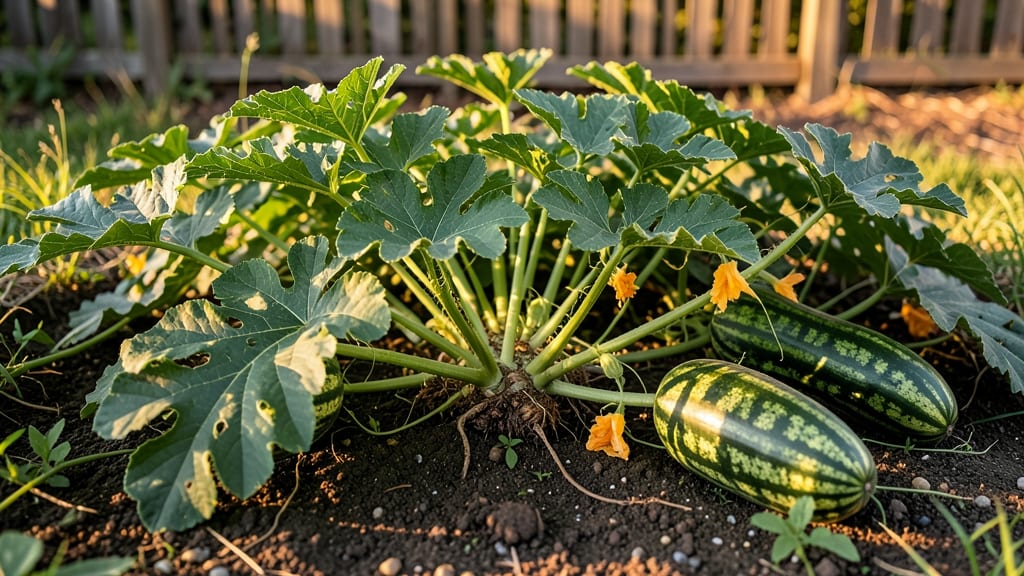
Proper spacing for watermelon 🍉 is the difference between scrappy vines and bountiful harvests—and most gardeners get it wrong.
Picture this: you’ve just planted your watermelon seeds, dreaming of sweet, juicy fruit, only to watch your vines fight for space, stunted and struggling. That’s the cost of ignoring spacing rules, and it’s easier to fix before you even dig the first hole.
Watermelons need room to stretch their 6-to-20-foot vines without crowding, but the right spacing also depends on your variety, soil, and even your climate. Too close, and you’ll lose fruit to disease; too far, and you’ll waste precious garden real estate.
In this guide, I’ll break down the exact spacing you need for every type of watermelon—whether you’re growing bush varieties in a small plot or sprawling vines in a big backyard—and how to adjust for your unique growing conditions.
Ideal watermelon spacing by variety: vining vs. bush types
Watermelon spacing isn't one-size-fits-all—it depends entirely on whether you're growing vining or bush varieties. I've learned that proper spacing directly impacts vine health, fruit size, and your overall yield. Vining types (like Sugar Baby or Crimson Sweet) need room to sprawl, while bush varieties (such as Bush Champion) stay compact.
Getting this wrong can mean smaller melons or stunted growth.
For vining watermelons, I recommend spacing plants 3–6 feet apart in all directions. This allows their 10–20-foot vines to spread without competing for nutrients or sunlight. Bush varieties, on the other hand, thrive with 2–3 feet of space—they won't take over your garden like their vining cousins.
The key is balancing space with your garden's layout and the variety's natural growth habit.
Why spacing matters: Too little space leads to crowded vines that struggle for air circulation, increasing disease risk and reducing fruit quality. Too much space wastes garden real estate, especially for small gardens. Optimal spacing ensures each plant gets 6–10 hours of sunlight and access to nutrients in the soil. It also makes harvesting easier—no more bending over tangled vines!
| Variety Type | Spacing (Feet) | Vine Length | Best For | Yield Impact |
|---|---|---|---|---|
| Vining (e.g., Sugar Baby, Crimson Sweet) | 3–6 feet | 10–20 feet | Large gardens, trellises | Higher fruit size, more melons |
| Bush (e.g., Bush Champion, Black Diamond) | 2–3 feet | 3–6 feet | Small gardens, containers | Compact growth, easy harvest |
| Semi-Dwarf (e.g., Sweet Granite) | 2.5–4 feet | 6–10 feet | Medium gardens, raised beds | Balanced yield and space |
Let me share what I’ve observed with vining watermelons: when spaced 4–5 feet apart, they produce larger fruits because the plant focuses energy on fewer melons.
For example, Sugar Baby vines spaced at 5 feet yield 8–12-inch melons, while crowded plants may only produce 6-inchers. Bush varieties, like Black Diamond, thrive in 2–3 feet of space and are perfect for small gardens or containers.
If you're growing multiple rows, space them 5–7 feet apart to allow for easy access and airflow. I’ve found that trellising vining types can reduce this spacing to 2–3 feet between plants while saving ground space.
Just ensure your trellis is strong enough—watermelons can get heavy! For container growing, bush varieties work best in 5-gallon pots with 1 plant per container.
Another pro tip: Soil fertility plays a role in spacing adjustments. In poor soil, space plants 10–15% farther apart to give roots more room to access nutrients. Conversely, in rich, compost-amended soil, you can space them closer because the plants will grow more vigorously.
Always test your soil’s pH (6.0–6.8 is ideal) and amend it accordingly.
For small gardens, consider interplanting fast-growing crops like radishes or lettuce between watermelon hills. This maximizes space while providing shade for the greens as the watermelon vines spread. Just avoid planting anything too competitive, like corn or pumpkins, which will steal resources from your melons.
One mistake I see often is ignoring the variety’s growth habit when planning. For instance, planting a vining variety like Charleston Gray in a 2-foot space will lead to tangled vines and poor yields.
Always check the seed packet or plant tag for spacing recommendations—they’re based on years of trials and are your best guide.
Finally, rotate your crops every 2–3 years to prevent soil-borne diseases. Watermelons are heavy feeders, so they deplete nutrients like potassium and phosphorus. After harvest, add compost or aged manure to replenish the soil for next year’s planting.
Proper spacing now means healthier plants and bigger harvests for seasons to come.
How to adjust spacing for soil, climate, and garden layout
Your watermelon plants need more than just sunlight and water—they thrive when their spacing aligns with your local climate, soil fertility, and garden layout.
In hot, dry regions, like the Southwest, plants need wider spacing to prevent moisture competition, while humid climates, like the Southeast, benefit from closer spacing to retain soil moisture. Even your soil type plays a role: sandy soils require more frequent watering, so adjust spacing to avoid stress.
If you're working with limited garden space, consider trellising or bush varieties like 'Sugar Baby' to save room without sacrificing yield. For larger gardens, row spacing of 6–8 feet between vines allows airflow, reducing disease risk.
Pairing watermelons with companion plants, such as bush beans or radishes, can also optimize space while improving growth.
- 1. Soil Fertility: Poor soil? Space plants 12–18 inches wider (e.g., 5 ft instead of 3 ft) to compensate for nutrient competition. Amend soil with compost first to boost fertility.
- 2. Hot/Dry Climates: Increase spacing to 8–10 feet to reduce water stress. Use mulch to retain moisture and prevent soil erosion.
- 3. Humid Climates: Tighten spacing to 3–4 feet to maximize shade and moisture retention. Ensure airflow with wider rows (6–8 ft apart).
- 4. Small Gardens: Opt for bush varieties spaced 2–3 feet apart or trellis vining types to save space. Limit to 3–4 plants per 100 sq ft.
- 5. Trellising: Train vines vertically with strong trellises to cut spacing needs by 50%. Ideal for small spaces or urban gardens.
- 6. Companion Planting: Pair with radishes (early harvesters) or marigolds (pest deterrents) to improve space efficiency and yield.
For row spacing, aim for 6–8 feet between rows to accommodate vine spread and easy access for maintenance. In container gardens, use 1–2 plants per 5-gallon pot with dwarf varieties, ensuring pots are at least 12 inches deep for root growth.
Always stake or trellis vining types to prevent sprawling and improve air circulation.
Adjust your planting layout based on your garden’s sunlight exposure. If your garden has partial shade, space plants closer together (3–4 feet) to share sunlight.
In full sun, maintain standard spacing (5–6 feet) for optimal fruit development. Monitor vine growth weekly and prune excess runners to redirect energy to fruit production.
Pro tip: Use a garden grid or string lines to mark spacing before planting. This ensures even distribution and makes it easier to rotate crops next season.
For organic gardens, consider square foot gardening with 1 watermelon plant per square foot in small plots, using companion plants like basil to fill gaps.
Remember, overcrowding leads to smaller fruits and increased pests, while over-spreading wastes space. Balance is key—adjust based on your local conditions and watch your watermelon harvests thrive! 🍉