
How To
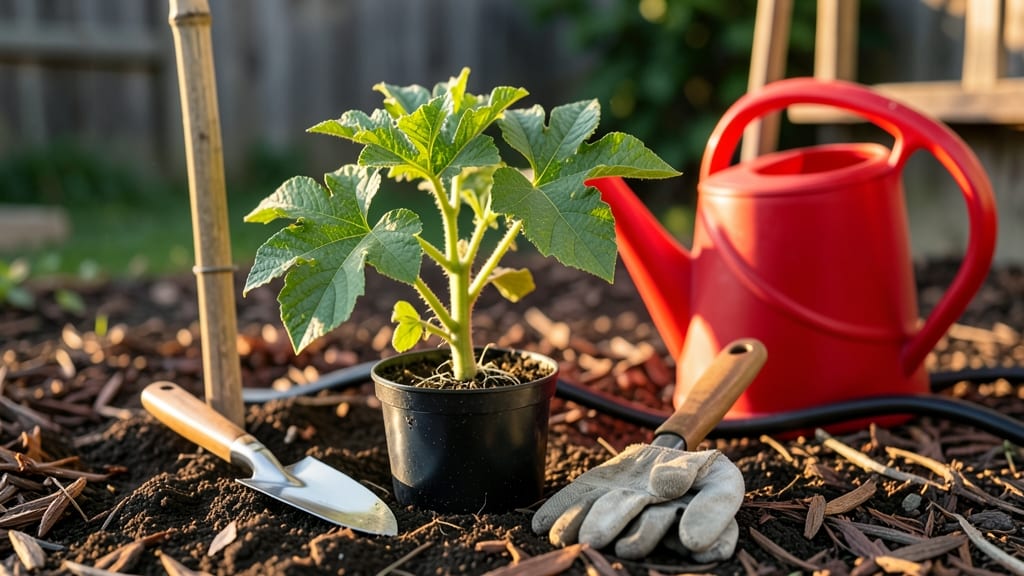
To plant watermelon plants the right way means giving them space to spread and soil that feels like a warm hug 🍉—because those sprawling vines and juicy fruits don’t grow from cramped conditions.
Struggling to grow watermelons that produce massive vines and juicy fruit? The secret isn’t just in the seeds—it’s in the spacing, soil, and timing you use when planting. Too close together, and you’ll end up with bitter, undersized melons. Too far apart, and you waste precious garden real estate.
In this guide, I’ll walk you through the exact spacing tricks that boost vine growth, the soil prep that keeps roots happy, and the best times to plant in Zone 6a—so you can go from seed to harvest without the guesswork.
You’ll learn how to prep your soil, space plants for maximum yield, and avoid the three biggest mistakes that kill watermelon plants before they even start. Ready to turn your patch into a melon powerhouse?
Optimal planting spacing for watermelon vines: science-backed tricks to maximize growth
Watermelon vines are aggressive spreaders, and proper spacing is the foundation for healthy plants and maximum fruit production. I’ve learned that cramming plants too close leads to stunted growth, poor air circulation, and disease—while giving them room ensures strong vines and sweet, abundant melons.
The key lies in understanding your watermelon variety and adapting spacing to your climate zone.
Most gardeners make the mistake of treating all watermelons the same, but bush varieties (like 'Sugar Baby') and vining types (like 'Crimson Sweet') have drastically different needs. A 6-foot spread for bush types becomes a 15-foot sprawl for standard vining varieties.
Even soil fertility and moisture levels influence how much space each plant needs to thrive.
Here’s the science-backed breakdown: Horizontal spacing (distance between plants) and vertical spacing (rows apart) work together to prevent competition. In my Zone 7b garden, I’ve found that 4-foot spacing between plants and 8-foot row spacing works best for vining types, while 3-foot spacing suffices for bush varieties.
These numbers change slightly in warmer climates (like Zone 9) where vines grow faster.
If you’re growing watermelons in containers, opt for bush varieties and dedicate one 5-gallon pot per plant. I’ve seen gardeners cram two plants into a single container, but this leads to competition for nutrients and smaller fruit.
For raised beds, maintain the same spacing as in-ground planting but add 1-2 inches of compost to compensate for limited soil volume.
Trellising watermelons isn’t common, but it’s a game-changer for small spaces. By training vines vertically, you can reduce horizontal spacing by 50% while still achieving full vine growth. I’ve used heavy-duty trellis netting for standard varieties, supporting vines up to 8 feet high.
The catch? Fruit weight requires extra support—use slings or small hammocks to prevent stem stress.
Climate plays a huge role in spacing decisions. In hot, dry climates (like Arizona), watermelons need more space to spread their roots deep for moisture. Meanwhile, in humid regions (like Florida), tighter spacing helps improve air circulation and reduce fungal diseases.
Always check your USDA zone and adjust spacing 10-20% wider if you’re in a warmer microclimate.
One mistake I see often is overcrowding for bigger yields. More plants don’t equal more melons—it’s the opposite. When vines compete, they produce smaller fruit and weaker stems. Instead, focus
Step-by-step watermelon planting guide: from seed to soil for healthy starts
Planting watermelons correctly sets the stage for abundant vines and sweet, juicy fruit. Whether you're starting with seeds or seedlings, the key lies in soil prep, proper depth, and consistent moisture.
I’ve grown watermelons for years, and these steps ensure strong germination and early growth every time.
First, choose a sunny location with well-draining soil and a pH between 6.0-7.0. Watermelons thrive in warm soil—wait until the ground reaches at least 70°F (21°C) before planting. If your soil is heavy clay or sandy, amend it with compost or aged manure to improve fertility and moisture retention.
Test soil pH and amend with lime (to raise pH) or sulfur (to lower it). Mix in 2-3 inches of compost and a balanced fertilizer (10-10-10) for nutrients.
For seeds: Sow 1 inch deep, 3-4 seeds per hill, spaced 6 feet apart for vining types or 3 feet apart for bush varieties. For seedlings, bury them to the first true leaves and space similarly.
After planting, water deeply (1-2 inches) to settle soil around roots. Keep soil consistently moist but not soggy—watermelons hate wet feet. Use drip irrigation or soaker hoses to avoid wetting leaves.
Apply 2-3 inches of mulch (straw or black plastic) to retain moisture and suppress weeds. Use row covers if nighttime temps drop below 50°F (10°C) to protect young plants.
Avoid these common mistakes that kill watermelon starts: planting too early in cold soil, overcrowding seeds, or letting soil dry out. Thin seedlings to the strongest 2 plants per hill once they’re 4 inches tall. Within 7-10 days, you’ll see sprouts—keep them well-watered and in full sun.
With these steps, your watermelons will launch into vigorous growth, setting the stage for a bountiful harvest. Next, focus on fertilizing and pest control as vines spread and flowers appear. 🌱💧🍉