
Planting
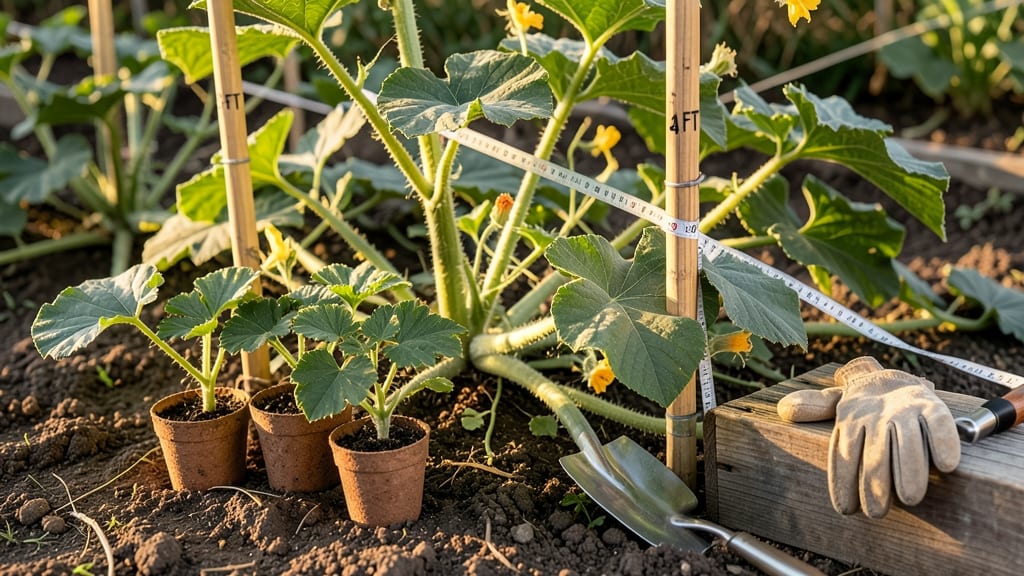
Proper Sugar Baby watermelon spacing 🍉 is the hidden key to those sweet, giant fruits you’ve been dreaming of—because cramming plants too close steals their growth potential.
Picture this: you’ve planted your seeds, given them the perfect soil, and even protected them from pests, but your watermelons stay small and bitter. The issue? Overcrowding.
Sugar Baby vines need room to sprawl, and when they don’t, they compete for nutrients, sunlight, and water—leaving you with underwhelming harvests instead of the juicy giants you’re after.
In this guide, I’ll break down the exact spacing your Sugar Baby watermelons need—whether you’re planting in-ground or in containers—and how to adjust for your climate. You’ll also learn how spacing impacts fruit size, disease resistance, and even flavor, so you can finally grow the melons you’ve been craving.
From common spacing mistakes to advanced techniques for small gardens, you’ll walk away with a layout that maximizes yield and minimizes stress on your plants. Let’s get started!
Optimal Sugar Baby watermelon spacing for maximum yield and fruit size
If you've ever planted Sugar Baby watermelons only to end up with tiny, underdeveloped fruits, the culprit is likely your plant spacing. These compact but prolific watermelons need just the right amount of room to develop their signature sweet, 4-8 pound fruits.
Too close, and you’ll get bitter, misshapen melons. Too far apart, and you’ll waste garden space. The key lies in balancing vine spread, soil nutrients, and air circulation—all influenced by how you space them.
Sugar Baby watermelons are vining plants that spread aggressively, with mature vines reaching 6-10 feet in diameter. Unlike bush varieties, they need ample space to photosynthesize efficiently and direct energy into fruit development.
Proper spacing also reduces competition for water and nutrients, ensuring each plant gets the resources it needs to produce large, flavorful fruits. In my experience, even a 1-foot difference in spacing can mean the difference between a 5-pound melon and a 10-pound giant.
Your planting method—whether in-ground, raised beds, or containers—will dictate the ideal spacing. For example, trellising can cut spacing needs by nearly 50%, while heavy clay soil may require wider gaps to prevent rot.
Climate also plays a role: hot, dry regions need more space for vines to spread and cool, whereas cooler climates can handle slightly tighter spacing. Let’s break down the optimal spacing strategies for your specific setup.
| Planting Method | Spacing Between Plants | Spacing Between Rows | Soil Type Adaptation | Climate Consideration |
|---|---|---|---|---|
| In-Ground (Flat Soil) | 36-48 inches | 6-8 feet | Wider for clay soil | Tighter in cool climates |
| Raised Beds | 24-36 inches | 5-6 feet | Standard for well-draining soil | Standard for all climates |
| Trellis or Vertical | 18-24 inches | 3-4 feet | N/A (vines trained upward) | Best for hot, dry areas |
| Containers (5+ Gallons) | 1 plant per container | N/A | Use lightweight potting mix | Limit to 1-2 plants per container |
For in-ground planting, the gold standard is 36-48 inches between plants and 6-8 feet between rows. This gives vines enough room to sprawl without competing for sunlight or nutrients.
In USDA Zones 7-10, where heat and humidity are high, I’ve found that 48-inch spacing prevents powdery mildew and ensures better air circulation. In cooler zones (6 or below), you can tighten spacing to 36 inches since vines grow more slowly.
If you’re using raised beds, you can reduce spacing to 24-36 inches between plants because the elevated, well-draining soil promotes faster vine growth. However, avoid packing plants too closely—overcrowding leads to smaller fruits and increased pest pressure.
Pro tip: Use drip irrigation in raised beds to maintain consistent moisture without overwatering, which can stress the roots.
For trellising, Sugar Baby watermelons can thrive with 18-24 inches between plants since their vines
Common spacing mistakes that shrink your watermelons (and how to fix them)
Even with perfect soil and sunlight, your Sugar Baby watermelons might stay small or bitter if spacing is off. I’ve seen gardeners struggle with overcrowding or over-spacing, both of which rob plants of the resources they need to grow juicy, full-sized fruits.
The key is finding that sweet spot where vines have room to sprawl without competing for nutrients or air circulation.
Overcrowded watermelon plants lead to stunted growth, poor fruit development, and even disease outbreaks like powdery mildew. On the flip side, giving plants too much space wastes garden real estate and can reduce overall yield.
Let’s fix these common mistakes so your next harvest is packed with 6-8 pound Sugar Babies instead of tiny, underdeveloped fruits.
⚠️ Sugar Baby Spacing Warning Signs
Overcrowding: Vines tangle, leaves yellow, fruits stay under 3 pounds, and powdery mildew appears on leaves. Fix: Thin plants to 2-3 feet apart immediately.
Over-spacing: Plants look healthy but produce fewer fruits that ripen unevenly. Fix: Add 1-2 extra plants per 10-foot row for balanced yield.
If your Sugar Baby watermelons are struggling, check the spacing first. For in-ground planting, the ideal distance is 4-6 feet between hills (groups of 2-3 seeds) and 2-3 feet between plants within a hill.
This gives vines enough room to spread their 6-10 foot reach while keeping fruits accessible for harvesting. In containers, limit to 1 plant per 5-gallon pot—any tighter, and roots compete for space.
One of the biggest red flags is powdery mildew, a fungal disease that thrives in crowded, humid conditions.
If you spot white powder on leaves, it’s a clear sign your plants are too close. Prune excess vines to improve airflow and thin out fruits to 1-2 per plant to avoid overburdening the vine. This simple adjustment can double your fruit size in just a few weeks.
For existing gardens, here’s how to fix spacing issues: Start by removing every other plant in overcrowded areas, then space remaining plants 4 feet apart. If your garden has too much space between plants, add a 1-2 extra plants per 10-foot section to fill gaps without overcrowding.
Always prioritize air circulation—healthy leaves mean healthier fruits.
Remember, Sugar Baby watermelons thrive when they have room to stretch. A well-spaced vine will produce 1-2 large fruits per season, while crowded plants may only yield tiny, underdeveloped melons. With the right spacing, you’ll be slicing into sweet, juicy Sugar Babies in no time—no bitter surprises here! 🍉